

Warehouse clubs make a simple promise: buy more at once and pay less per unit. For paper towels, white rice and other items that keep for ages, that promise often holds up. For plenty of other products, the giant package ends up costing more in the long run because part of it goes stale, loses its strength or lands in the trash before anyone finishes it.
Money writers and consumer guides have flagged the same group of products for years. These 7 items show up again and again on lists of things frugal shoppers buy in smaller sizes, even when the bulk price looks tempting.
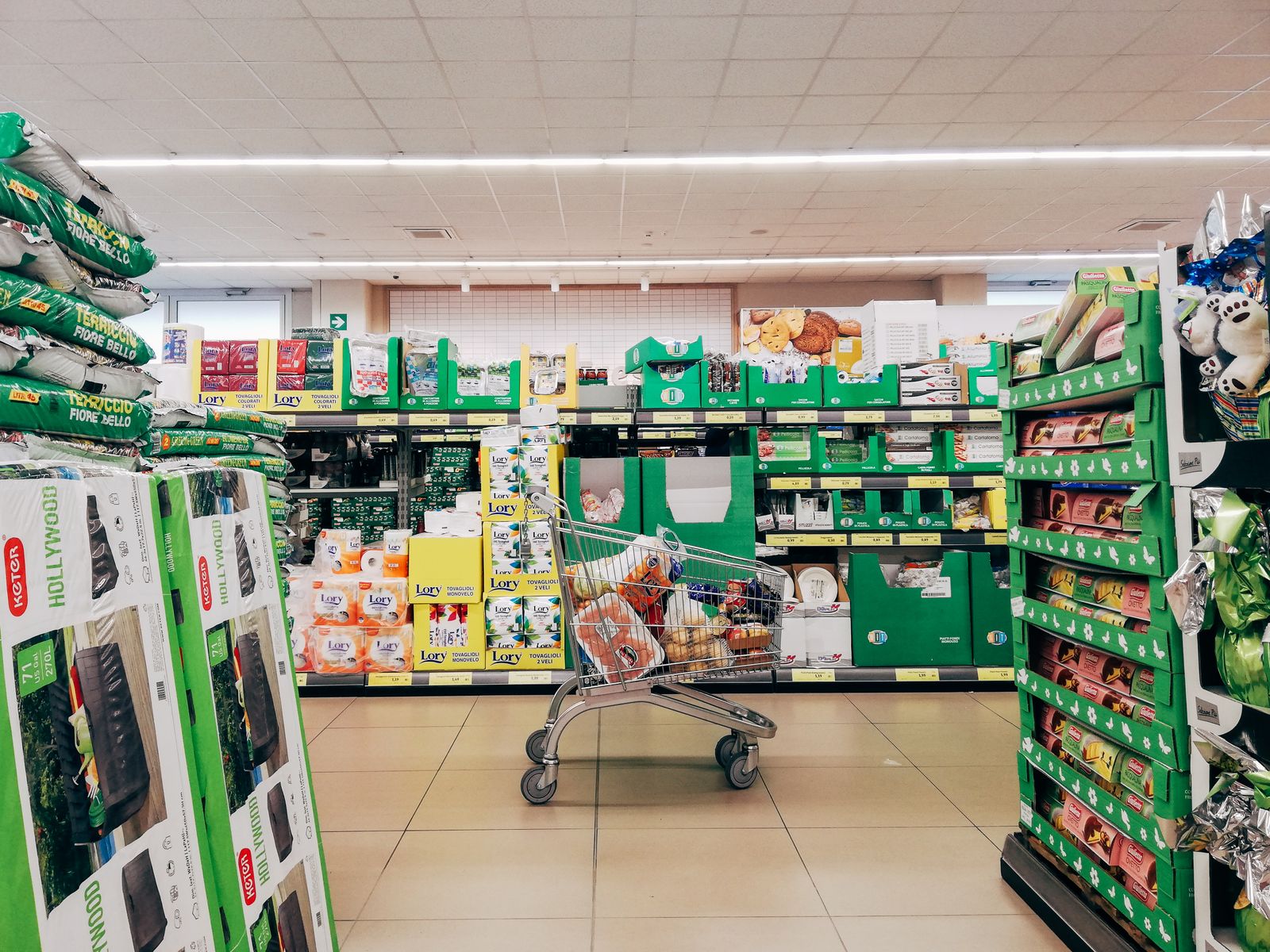
The logic is the same one behind many clever frugal living tips: spending less only counts if the purchase actually gets used. Households trying out easy tips to save money fast often find that trimming waste in the pantry frees up cash quickly, and that money can go toward goals like saving for an emergency fund.
1. Cooking Oil
Oil does not last forever once it sits on a shelf. A Kiplinger guide quoted a RetailMeNot editor who put cooking oil’s shelf life at about six months, and the same piece found a one-gallon jug that cost the same per ounce as a much smaller bottle. Bob Vila makes a similar point, noting that canola and olive oil last about three to six months on the counter before turning rancid.
2. Spices
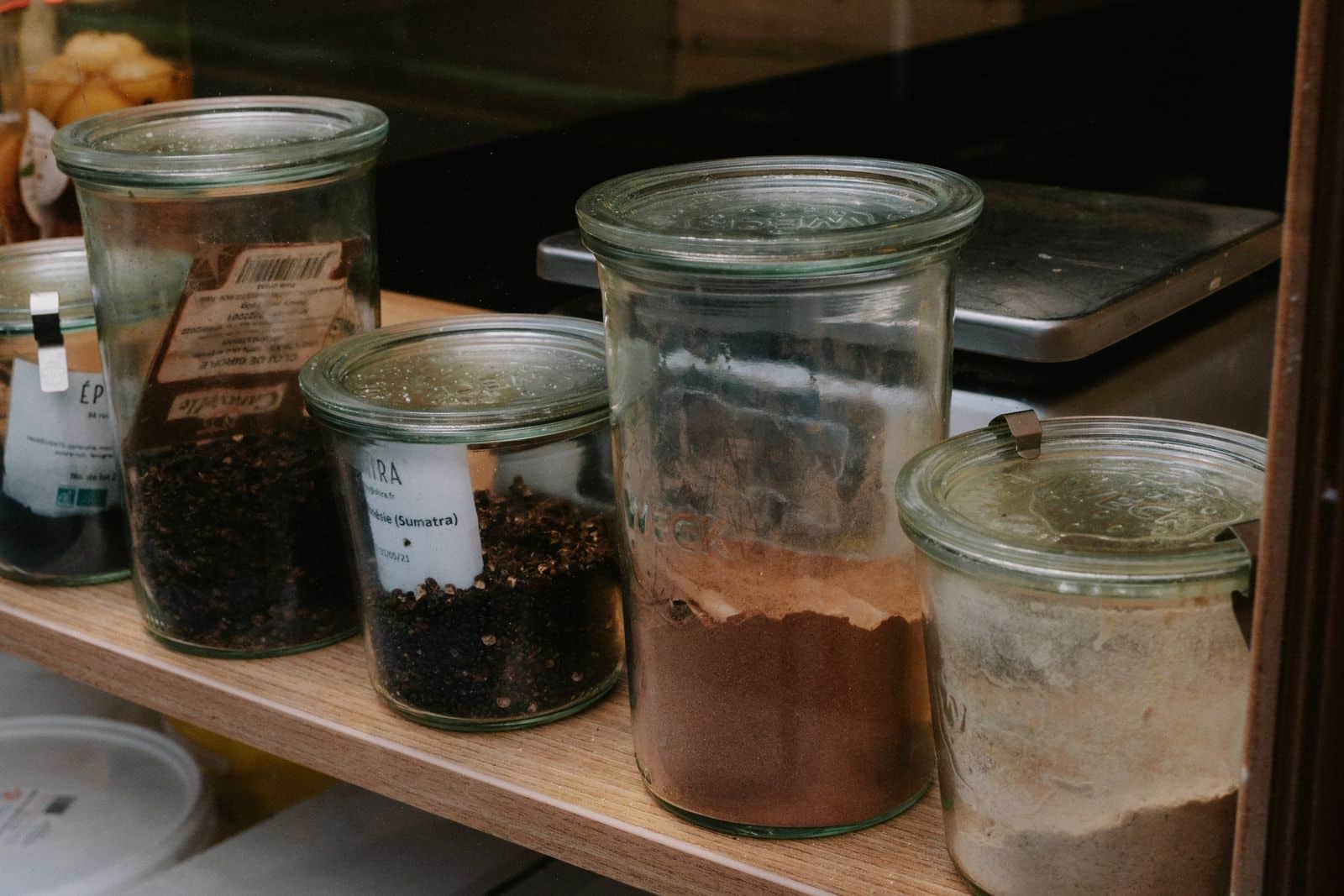
Spices rarely spoil in a way that makes them unsafe, but they do fade. Bob Vila says ground spices stay fresh for about six months, with whole spices lasting a bit longer, and Kiplinger cited McCormick’s guidance of one to three years for dried herbs and three to four years for ground spices when stored properly. A Southern Living list republished on AOL quotes the USDA advising that ground spices be bought in small quantities because they lose aroma and flavor more quickly. Many shoppers keep big containers only for the one or two seasonings they reach for every day.
3. Condiments
A huge bottle of ketchup or a tub of mayonnaise seems like a deal until it has to be finished after opening. The Southern Living piece cites USDA figures of about six months for opened ketchup and about 12 months for mustard, while pickles last one to three months and olives about two weeks. Bob Vila advises that opened condiments should not sit in the fridge for more than six months. Personal finance personality Dave Ramsey also lists condiments among the bulk buys to skip, according to The Motley Fool.
4. Eggs
The large flats sold at warehouse stores can be hard for a small household to finish. Kiplinger noted that finishing a 36-pack within federal guidelines of three to five weeks would require eating one to two eggs a day. The Southern Living list gives a similar window of about four to five weeks past the pack date. Unless there is a big baking project or a large family at home, a standard carton is usually the safer bet.
5. Liquid Bleach
Cleaning supplies seem like natural bulk buys, but liquid bleach is an exception. A savings expert quoted by Kiplinger said bleach loses effectiveness about six months after purchase. Bob Vila notes that its active ingredient breaks down over time and with temperature changes, and that it works best for six to nine months after opening. That is why light users often pick small bottles.
6. Sunscreen
Sunscreen generally lasts around three years, according to Kiplinger, but heat can break down its active ingredients sooner. A multi-pack that ends up stored in a hot garage or a car’s glove compartment may not hold up. Bob Vila suggests simply buying a fresh bottle each summer, and Kiplinger found that drugstores often sell sunscreen for 10% to 15% less than warehouse clubs, which removes much of the reason to stock up.
7. Nuts and Whole Grains
Foods with natural oils go rancid faster than many people expect. The Southern Living list quotes the USDA warning that nuts’ high fat content can turn them rancid if stored too long at room temperature. Bob Vila notes that the oil in brown rice can make it spoil in as few as six months, a figure Kiplinger also cited. White rice, by contrast, keeps for years, so it remains one of the better bulk buys.
When Bulk Buying Still Makes Sense
None of this means warehouse memberships are a bad idea. Kiplinger pointed out that white rice keeps indefinitely, so a large bag can make financial sense for a household with pantry space. The Motley Fool notes that splitting a bulk purchase with friends or freezing extra produce, such as strawberries for smoothies, can rescue some of the savings. Ramsey’s broader warning, as summarized there, is to skip any bulk buy that will not actually get used.
Comparing unit prices is the other half of the equation. Kiplinger quoted grocery savings founder Teri Gault saying shoppers can pay 20% to 40% less per unit at the supermarket on some items when sales run, which means the bigger package is not automatically the better deal.
Shoppers who want to make every grocery dollar count may also find it useful to learn about subtle grocery store tricks customers rarely catch. Those who cook with oil often can read this guide on how to buy truly good olive oil before choosing a bottle size.
The smartest bulk purchase is the one that gets used up. For the 7 items above, buying a little less at a time often turns out to be the cheaper choice.
This article was written with the help of AI tools and checked against the sources linked above.




