

Most homeowners do not think about their wiring until something goes wrong. A breaker trips, a light flickers, or an outlet stops holding a plug, and the quick fix becomes the permanent one. Electricians see the results of those shortcuts every week, and many of the problems start with small habits that seem harmless.
Here are 8 things electricians say homeowners commonly get wrong, drawn from interviews with working pros and guidance from home and insurance experts. Most are easy to correct once people know what to look for.

1. Treating a Tripping Breaker as the Problem
When a breaker keeps tripping, the tempting move is to flip it back on over and over, or worse, to tape it in the “on” position. Jake McKusker, owner of McKusker Electric in Colorado, told Family Handyman that a tripping breaker is doing its job by flagging an overload or a short. Forcing it to stay on removes the protection and raises the risk of fire. The fix is to find what is causing the trip, whether that is too many devices on one circuit or a fault in the wiring.
2. Ignoring Flickering or Dimming Lights
A light that flickers now and then is easy to shrug off. Brandon Dolan of Dolan Inc., a New Jersey plumbing, heating, cooling and electrical company, told Martha Stewart that homeowners can keep tabs on outlets and switches simply by paying attention while using them, and that flickering lights or switches that feel off are a signal to call a licensed professional.
This Old House notes one less obvious cause: lights that flicker on windy days can point to frayed wiring at the weatherhead, where overhead service cables enter the house. In that case, the local electric utility is the first call, and it may handle the repair.
Flickering lights are also worth watching for when touring a house for sale. Buyers can brush up on these rookie mistakes to avoid when buying a house before making an offer.
3. Using Bulbs With Too Much Wattage
Every fixture has a wattage limit, and going over it is a mistake electricians call overlamping. The Hartford warns that a bulb with higher wattage than a lamp or fixture is rated for can overheat and start a fire. This Old House says fixtures made since 1985 have the limit printed on them, and for older, unmarked fixtures it recommends sticking to 60-watt bulbs or smaller.
LED bulbs make this much easier, since they produce bright light at a fraction of the wattage. Swapping bulbs also pairs naturally with other energy efficient home improvements that save money.
4. Mixing Up GFCI and AFCI Protection
Many homeowners assume the two are the same thing. They are not. Family Handyman explains, citing Terry Duncan of Mr. Electric and McKusker, that ground-fault circuit interrupters, or GFCIs, protect people from shocks in wet areas, while arc-fault circuit interrupters, or AFCIs, help guard against fires in general living spaces. The Hartford lists the places GFCIs belong: bathrooms, kitchens, laundry and utility areas, wet bars, garages, unfinished basements and crawl spaces, and outdoors.
Homes without GFCIs in those spots can usually be upgraded, either by replacing standard receptacles with GFCI outlets or by installing GFCI breakers at the panel, according to This Old House. Electrical upgrades also tend to come up as homes add new technology, a shift explored in this look at what smart homes will really look like in 2026 and beyond.
5. Living With Worn Outlets and Switches
A plug that falls out of the wall or a switch that feels mushy is not just annoying. McKusker told Family Handyman that loose outlets should be replaced rather than patched, and that switches that pop or give off a burning smell need replacing too, noting that a switch “is only designed to be turned on and off so many times.” This Old House adds that worn receptacle contacts that no longer grip a plug can lead to arcing.
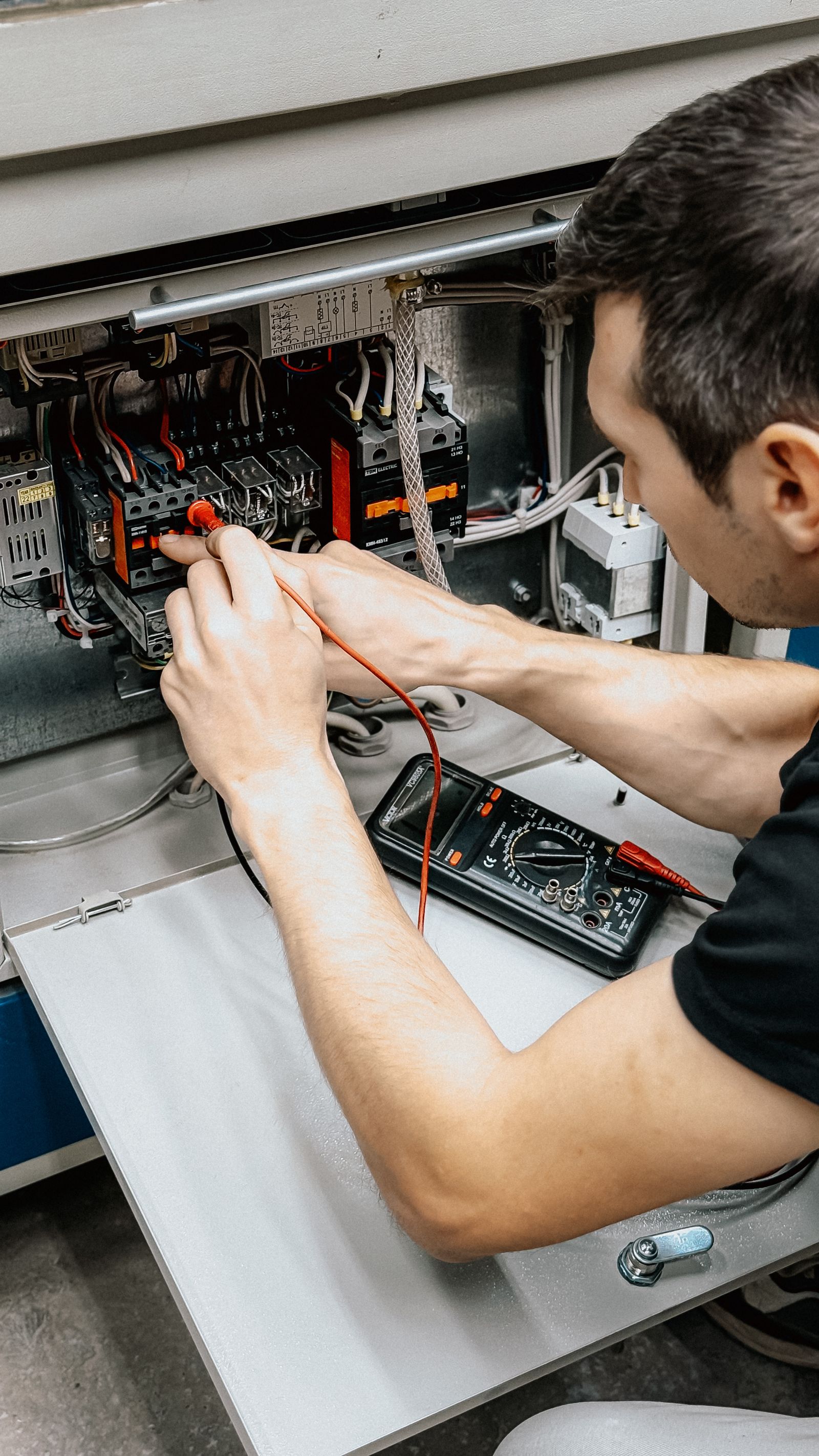
6. Never Looking at the Electrical Panel
The breaker panel tends to get attention only when the power goes out. Dolan told Martha Stewart that homeowners should periodically check the main panel for signs of arcing or water damage, and confirm it was put back together properly after any new work. He summed up the concern with a saying common in the trade: “loose wires cause fires.”
This Old House flags another panel problem: an overwired panel, where too many standard breakers have been swapped for tandem breakers and the panel ends up carrying more circuits than it is rated for. The fix may be a subpanel, or a new panel if bigger projects are on the horizon.
7. Adding Big Appliances Without Checking Capacity
A new home office, a hot tub or another major appliance can put real demand on a home’s electrical system. The Martha Stewart piece notes that these additions may need more capacity than the existing wiring can handle, and that an electrician should evaluate the system before the new equipment goes in. Planning ahead avoids a string of tripped breakers, or a costly emergency upgrade, later on.
8. Forcing Three-Prong Plugs Into Two-Prong Outlets
Older homes often still have two-prong outlets, and people find workarounds. The Hartford warns never to remove the third prong from a plug to make it fit. This Old House explains that two-prong receptacles have no grounding path for stray current, recommends replacing them with grounded three-prong receptacles where the wiring allows, and advises against using adapters. It also suggests testing existing three-prong outlets with a tester, since some older ones are not actually grounded.
When to Call a Pro
The common thread in all of this advice is knowing where the line is. Dolan told Martha Stewart that DIY electrical work should be limited to changing light bulbs, and Duncan stressed to Family Handyman that power to a circuit must be fully off before anyone connects or disconnects a wire. The Hartford recommends hiring a licensed electrician and asking to see a copy of the license.
Electrical work looks simpler than it is. Anyone weighing other DIY projects may want to read up on these home repairs men should stop attempting. And for a sense of where houses are headed, see this look at home features market data suggests could disappear within 5 years.
A few small changes, like matching bulb wattage, replacing worn outlets and taking breaker trips seriously, go a long way. And when something seems off, calling an electrician early is almost always cheaper than calling one after a problem has grown.
This article was written with the help of AI tools and checked against the sources linked above.




