

The turn signal may be the simplest safety feature in any car. A flick of the stalk tells everyone nearby what is about to happen. Yet plenty of drivers skip it, especially on quiet streets or during quick lane changes. The drivers who signal every single time, even in an empty parking lot, tend to stand out, and the habit often says something about how they move through the rest of life.
Driving research, traffic surveys and official driver guides offer clues about what sits behind the habit. Here are 7 traits that people who use turn signals every time often share.
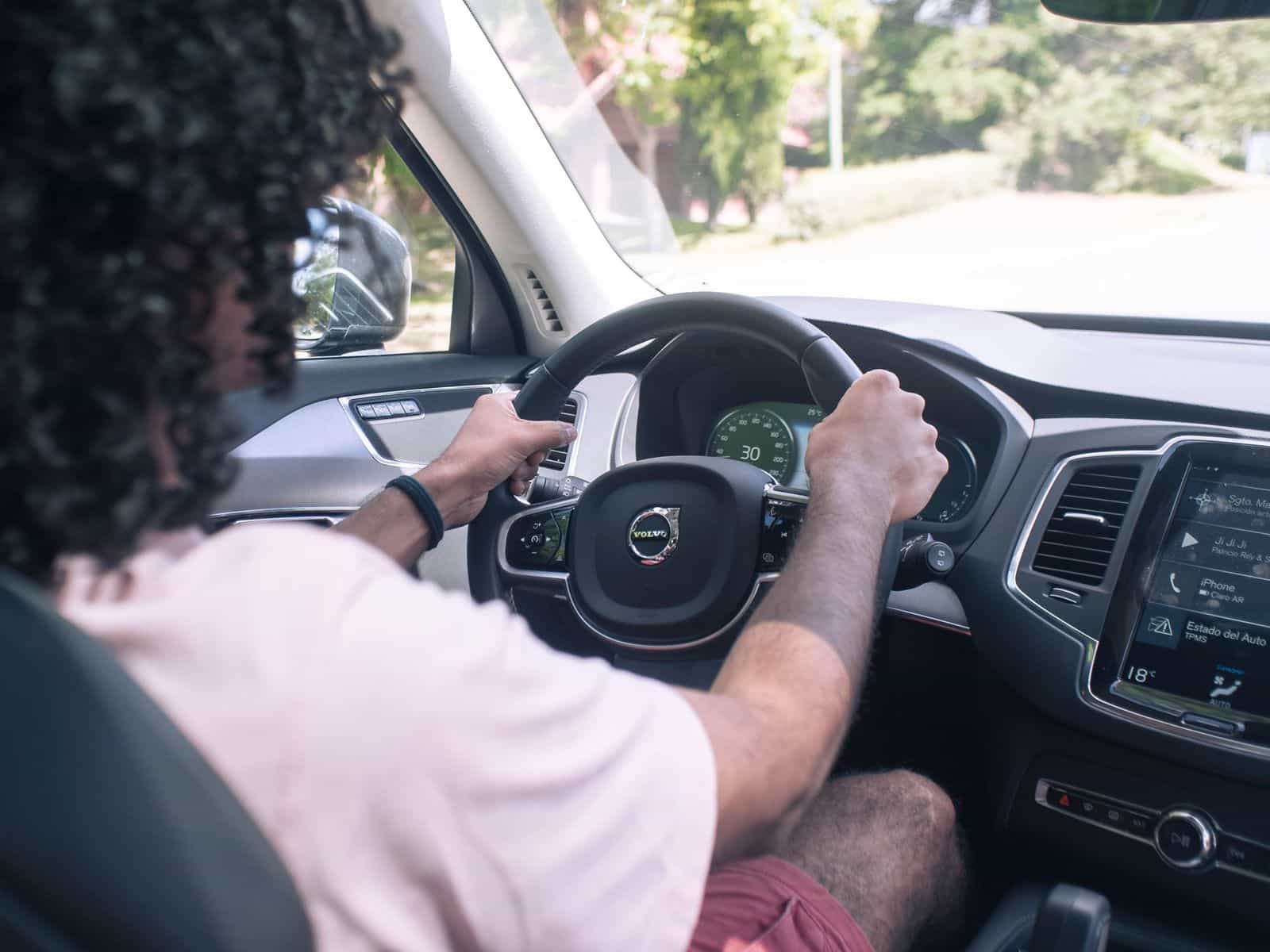
1. They Follow the Rules When It Would Be Easy Not To
Skipping a signal is so common that consistent signalers are in a real minority on some roads. A 2012 observation study presented at the Society of Automotive Engineers World Congress tracked 12,000 turning and lane-changing vehicles and found that drivers neglected the signal 48% of the time when changing lanes and 25% of the time when turning, according to Autoblog’s report on the study. Its author estimated that signal neglect could be tied to as many as 2 million crashes a year, though the report came from an engineering firm that promotes its own "Smart Turn Signals" technology.
People who signal every time do not wait for an audience or a police car to follow the rule. That kind of steady compliance often carries over into how they handle paperwork, deadlines and promises. It also helps explain why some places see more trouble than others, as lists of cities that have the most car accidents make clear.
2. They Think About Other People
A signal is a message meant entirely for someone else. It helps the driver behind, the cyclist at the corner and the pedestrian waiting to cross. That outward focus lines up with research on personality and driving. A 2019 meta-analysis of 22 studies covering more than 11,000 participants found a significant negative link between agreeableness and risky driving behaviors, meaning drivers lower in agreeableness were more likely to drive riskily.
Agreeable people tend to be cooperative and considerate, and signaling is one of the easiest ways to show those qualities behind the wheel.
3. They Plan Ahead
Signaling properly requires knowing what comes next before it arrives. The California Driver’s Handbook tells drivers to start signaling about 100 feet before a turn and, when exiting a highway, to signal five seconds, or roughly 400 feet, before the exit. That only works for someone who is already thinking a few steps down the road.
Habitual signalers often bring the same mindset to errands, trips and schedules. They are the ones who map the route, pack the night before and already have a plan for the pets, much like the advice in these tips for surviving road trips with a dog.
4. They Communicate Clearly
A turn signal is a form of communication, and people who use it every time tend to value being understood. The same California handbook lists “Signal” as the first step for changing lanes, followed by checking mirrors, looking over the shoulder and checking blind spots. It also tells drivers to signal before passing and when merging onto a highway.
Off the road, consistent signalers are often the friends and coworkers who say what they plan to do before they do it. They send the heads-up text, confirm the meeting time and avoid surprising people. Cars keep adding gadgets, some of them useless or annoying modern car features, but the humble turn signal remains one of the most useful tools on the dashboard.
5. They Keep Their Cool
Calm drivers tend to make deliberate, predictable moves. Researchers Vanessa Beanland, Martin Sellbom and Alexandria K. Johnson surveyed 285 young adults at a university in the southeastern U.S. and published the results in Accident Analysis and Prevention. Hostility was the best predictor of aggressive driving violations, while risk-taking and hostility best predicted ordinary violations such as bending traffic rules.
Signaling every time is the opposite of impulsive driving. It reflects a person who slows down long enough to make a decision and announce it, rather than darting across lanes in frustration.
6. They Prefer Cooperation Over Conflict
Road anger is remarkably common. A national survey of 2,705 licensed drivers by the AAA Foundation for Traffic Safety found that nearly 80% had expressed significant anger, aggression or road rage at least once in the previous year, according to the AAA newsroom. About 51% admitted to purposely tailgating, 45% honked in annoyance and 24% tried to block another vehicle from changing lanes.
AAA’s advice includes not causing other drivers to brake or swerve. A clear signal gives others time to adjust, which lowers the odds of the sudden moves that set tempers off. People who signal faithfully tend to prefer smooth, cooperative interactions in general, and they usually avoid the kind of annoying habits everyone wishes people would stop doing.
7. They Build Good Habits and Keep Them
Using a signal every time is less about a single decision and more about a habit that runs on autopilot. Drivers who learned it early and never let it slip often take the same approach to other routines, from maintenance schedules to saving money. Some of the habits drivers once learned have aged poorly, as a look at old-school driving tips banned today shows, but the turn signal has never gone out of style.
Consistency is the point. A signal used only sometimes leaves others guessing, while one used every time becomes something people can rely on.
A Small Click That Says a Lot
Few people will ever thank a driver for signaling, and that is part of what makes the habit telling. It is done for the benefit of strangers, with no reward beyond a smoother, safer trip. People who do it every time tend to be rule-followers, planners and clear communicators who would rather cooperate than compete, and those qualities rarely stay parked in the driveway.
This article was written with the help of AI tools and checked against the sources linked above.




