

Every older generation has a list of purchases that make it wince. For many people now in their 60s and 70s, that list was shaped by brewing coffee at home, cooking most meals, keeping one television subscription and saving up before booking a trip. Watching younger adults spend freely on lattes, delivery apps and trendy clothes can look, from that vantage point, like money slipping away.
Recent surveys back up how wide the gap really is. A Harris Poll conducted for Intuit Credit Karma asked 2,074 U.S. adults which everyday extras they consider necessities, and older Americans were far less likely to see them that way. A Motley Fool survey of 2,000 adults found boomers were the least likely generation to report wasting money often. For a related take on everyday spending, see these things Warren Buffett says poor people waste money on.

Here are 10 things older adults tend to view as a waste when younger people spend on them, along with what the numbers show.
1. Coffee Bought Out Every Day
The daily coffee run is the classic example. In the Credit Karma survey, 21% of Gen Z and 19% of millennials called coffee bought out a necessity, compared with just 7% of boomers. A YourTango roundup of things Gen Z overspends on notes that specialty drinks can cost $8 or more, while many boomers still brew their coffee at home.
A single cup rarely breaks a budget. A habit repeated several times a week, though, adds up in a way older generations are quick to point out.
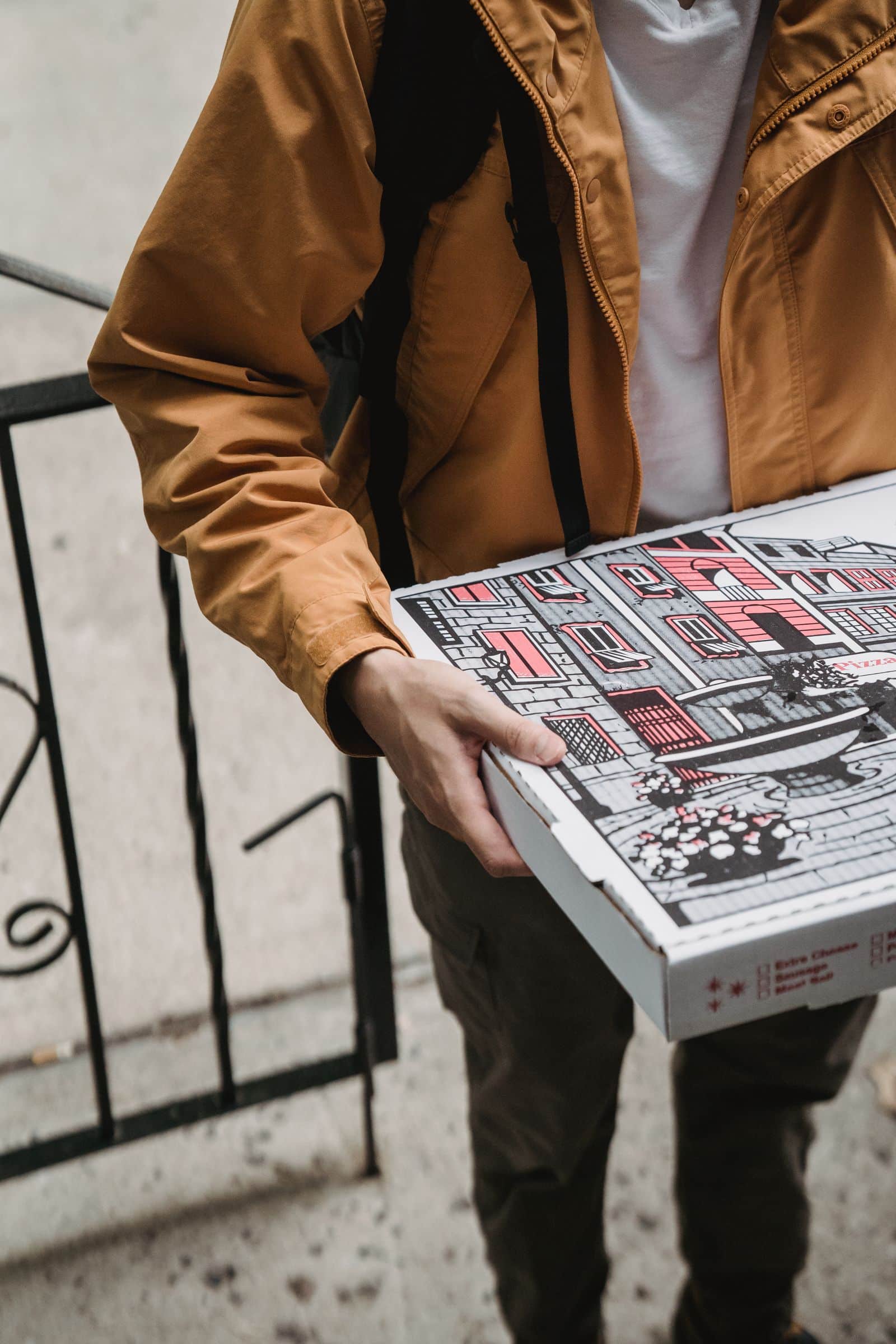
2. Restaurant Food Delivered to the Door
Delivery apps are where the generational split is starkest. The Credit Karma poll found 23% of Gen Z considered food delivery a necessity, versus 6% of boomers. The Motley Fool survey found 28% of Gen Z and 24% of millennials reported regular spending on food delivery, compared with 8% of boomers.
YourTango points to Bureau of Labor Statistics data putting Gen Z’s average spending on dining out and app delivery at $2,483 a year. Delivery and service fees on top of menu markups are what tend to bother older diners most, and trimming them is a common first step for anyone trying to build an emergency fund.
3. Groceries Brought to the House
Having groceries delivered draws a similar reaction. In the Credit Karma survey, 26% of Gen Z and 28% of millennials called grocery delivery a necessity, while only 12% of boomers agreed. For a generation that grew up making a weekly trip to the store with a list and a stack of coupons, paying extra to skip that trip can seem hard to justify.
For a broader look at the money lessons that generation tends to pass down, see these pieces of advice to take from boomers.
4. A Stack of Streaming Subscriptions
Streaming services are one area where every generation spends, but the waste looks different. The Motley Fool survey found 26% of millennials and 22% of Gen X admitted paying for streaming services they did not use, compared with 9% of boomers. YourTango cites a First Merchants Bank survey that found 15% of Gen Z said they overspend on streaming, versus 6% of boomers.
Older adults who remember a single cable bill often see five or six separate monthly charges as an easy place to cut.
5. Clothes That Follow Every Trend
Fast-changing fashion is another sore spot. The Credit Karma poll found 23% of Gen Z considered new clothes a necessity, compared with 14% of boomers. YourTango cites an Edubirdie survey of 2,000 Gen Z respondents in which 47% said they felt pressure to buy clothes to fit in, and 56% said keeping up with trends caused financial strain.
Many older shoppers favor a few classic pieces that last for years, a habit that keeps closets smaller and budgets steadier.
6. Skincare and Beauty Products
Influencer-driven beauty shopping is a frequent target. According to YourTango, a LendingTree survey found 33% of consumers regret overspending on beauty products, a share that rose to 52% among Gen Z. In the Credit Karma poll, 27% of Gen Z called skincare and beauty products a necessity, along with 20% who said the same about beauty treatments such as manicures, facials and hair appointments, compared with 12% of boomers for those treatments.
7. Boutique Gyms and Fitness Classes
Paying for specialty workout classes can look extravagant to people who walked or used a basic gym for decades. The Credit Karma survey found 24% of Gen Z considered gym memberships or fitness classes a necessity, compared with 10% of boomers. YourTango notes that younger adults are more likely to pay for boutique studios and trainers, while many boomers stick with cheaper options.
8. Designer Goods to Cope With Stress
Some younger shoppers turn to luxury purchases when the economy feels uncertain, a habit sometimes called doom spending. YourTango cites Credit Karma data indicating that 35% of Gen Z have done this. Older generations, by contrast, are more likely to respond to hard times by saving.
That instinct to set money aside first, rather than spend through a rough patch, is one many older adults treat as non-negotiable.
9. Trips Paid for With Debt
Travel itself is not the issue. In fact, the Credit Karma poll found boomers were about as likely as younger adults to call travel a necessity, at 23%. The concern is how trips get paid for. YourTango cites Bankrate research finding that 42% of Gen Z planned to use debt for summer travel, compared with 22% of boomers.
For many older adults, a vacation was something saved up for, not something paid off months later.
10. Impulse Buys Sparked by Social Media
Finally, there is the steady stream of purchases inspired by what shows up on a phone screen. The Motley Fool survey found 33% of Gen Z said social media trends trigger their wasteful spending, compared with just 4% of boomers. Peer pressure was a trigger for 26% of Gen Z and 5% of boomers.
The same survey found 47% of Gen Z and 51% of millennials regret most of their impulse purchases, compared with 36% of boomers.
Older Adults Are Not Immune
None of this means older generations have spending all figured out. A MarketWatch report syndicated on Yahoo Finance found boomers waste more than average in some areas of the same Motley Fool survey, including throwing out food, leaving utilities running, buying name-brand staples and buying lottery tickets. It also cited Experian data showing that 82.9% of boomers carry credit card debt, a higher share than millennials or Gen Z. Older households have also been spending more freely at times. Kiplinger reported on Bank of America data showing that baby boomer spending rose 2.2% in May 2023, while spending by millennials and Gen Z fell 1.5%.
Credit Karma’s survey also found that 45% of Gen Z and 51% of millennials would rather reduce long-term savings than give up lifestyle experiences, which helps explain why these 10 categories keep coming up in conversations between generations. For more on how the generations see each other’s money habits, see these expenses boomers consider a waste of money and these myths about Gen Z that refuse to go away.
This article was written with the help of AI tools and checked against the sources linked above.




