

Some shoppers walk into the grocery store empty-handed. Others arrive with a canvas tote over one shoulder, a folded nylon bag tucked in a purse, or a stack of sturdy bags pulled from the trunk. It looks like a small choice, but the people who make it consistently tend to have more in common than a dislike of plastic.
Researchers have studied this habit more than most people realize. A long-running study from Harvard Business School and NYU, research from Cardiff University on England’s plastic bag charge, and polling from CivicScience all shed light on who brings their bags and why. Polling suggests the habit is especially common among women, adults 55 and older and city residents. Here are 7 traits that tend to show up among people who bring reusable bags to the store.
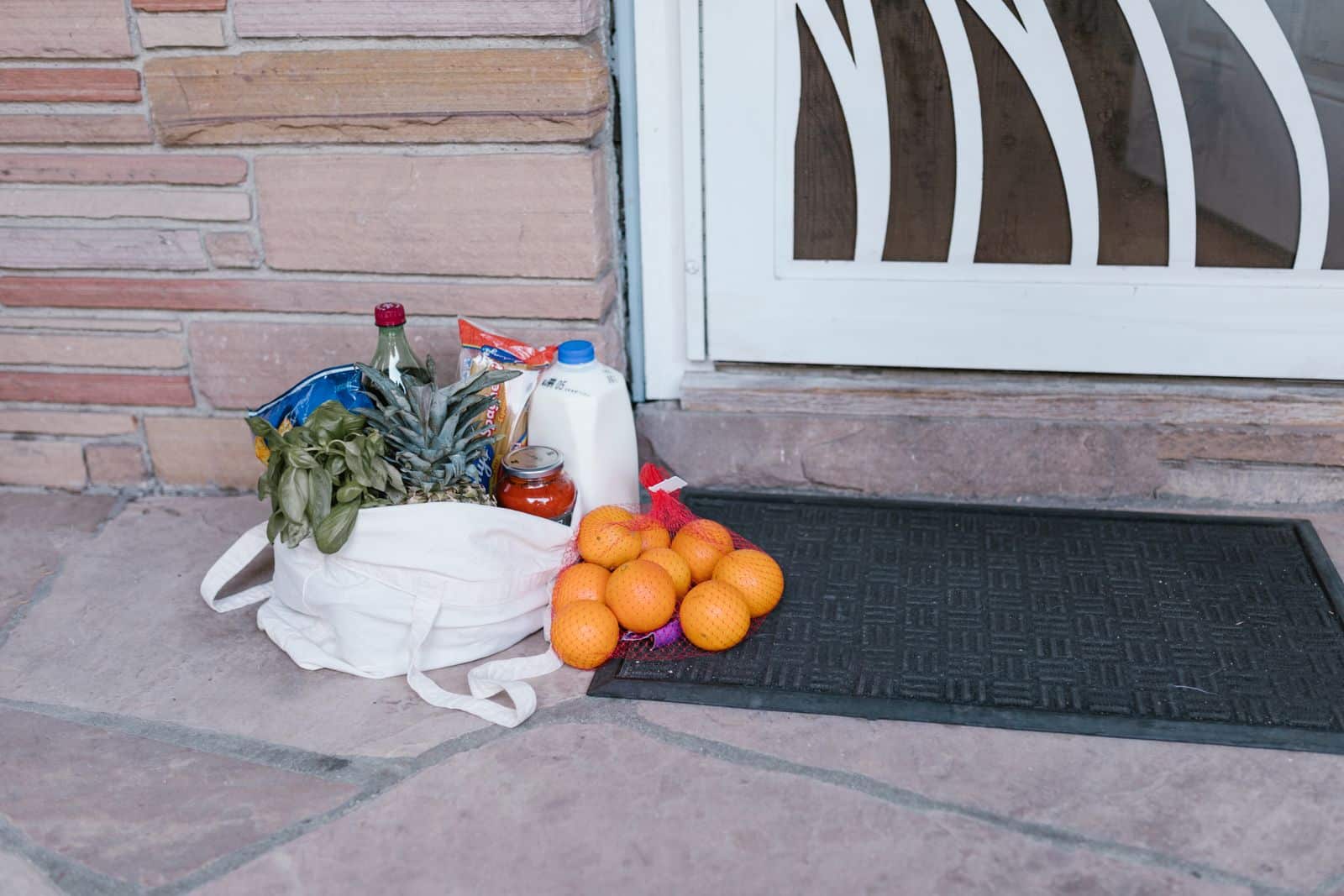
1. They Plan Ahead
Remembering the bags is the hard part. A 2019 study published in Frontiers in Psychology, led by Cardiff University researchers, interviewed shoppers after England introduced a charge on single-use bags. Participants described new routines such as keeping fold-up bags in a handbag and storing reusable bags in the car so they would be ready for the next trip. One man explained he put bags in the car so they would be there before he forgot.
That kind of forethought tends to carry over into other parts of life, from keeping a grocery list to organizing a pantry. People who like systems will recognize the approach in these kitchen organization ideas.
2. They Watch the Small Costs
Bag users are often careful with money. According to CivicScience, people who always clip coupons for non-food items were 52% more likely to use reusable bags than people who do not use coupons. The same polling found that Americans with household incomes under $50,000 were 7% more likely to always use reusable bags than those earning over $100,000.
Even tiny fees can change behavior. A Cardiff University study found that after England began charging 5p for plastic bags in 2015, the share of shoppers bringing their own bags for food shopping rose from about 70% to about 90%. Shoppers who keep an eye on those little expenses may also find ideas in these clever frugal living tips.
3. They Care About the Environment
Not surprisingly, environmental concern is a strong predictor. CivicScience found that people who adjust their lifestyle for the environment use reusable bags at a very high rate. That care often extends into the cart. In research by Uma Karmarkar of Harvard Business School and Bryan Bollinger of NYU, described by Harvard Business School Working Knowledge, shoppers who brought their own bags were more likely to buy organic products and were willing to pay more for them.
The same green streak can show up at home and in the yard, from composting to the water-saving landscaping in these xeriscaping ideas.
4. They Like a Little Reward
Here is the twist. The Karmarkar and Bollinger research, which analyzed more than 936,000 transactions from almost 6,000 households at a California grocery chain between 2005 and 2007, found that bag-toting shoppers also bought more indulgent foods like ice cream, cookies and chips. The Harvard Gazette described it as a licensing effect, in which people reward themselves after doing something virtuous.
Karmarkar summed it up simply, telling HBS Working Knowledge that a shopper who did something good for the environment may feel entitled to a cookie. The effect weakened when stores required reusable bags, which suggests the reward feeling comes from choosing the good deed voluntarily.
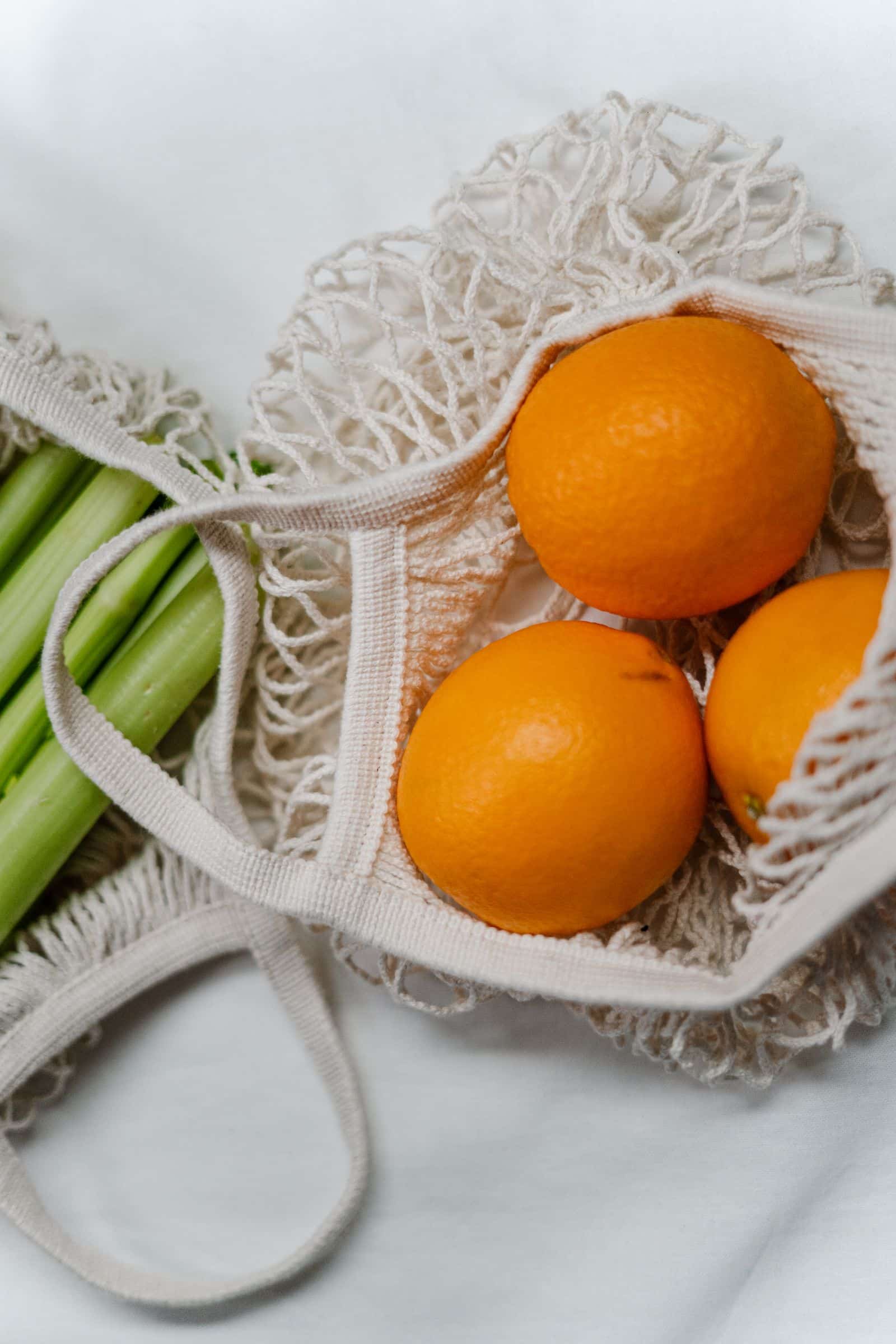
5. They Stick to Their Routines
Once the habit forms, it tends to last. The Frontiers in Psychology study described the bag charge as a form of habit disruption that changed routines across income levels. Observations of 3,764 shoppers found that the share of English shoppers using only reusable bags rose from 21% in 2015 to 53% in 2016, while plastic-only use fell from 48% to 17%.
The habit also spread to other kinds of stores. Cardiff University reported that bringing bags to clothing and healthcare shops rose from about 1 in 10 shoppers before the charge to about 1 in 2 afterward. People who stick with a routine like this often apply the same consistency elsewhere.
6. They Are Open to Other Ways to Cut Waste
Bringing bags appears to go hand in hand with openness to related ideas. The Frontiers study found what the authors called policy spillover. Shoppers who grew more supportive of the bag charge also grew more supportive of a charge on plastic bottles and a charge on excessive packaging. Support for unrelated measures, such as a higher fuel tax, did not change.
The researchers did not find that the bag habit automatically changed other personal behaviors, but the shift in attitudes suggests these shoppers are receptive to practical steps that reduce waste.
7. They Keep an Eye on Style
This one might be unexpected. CivicScience found that people who dress based on fashion trends were 35% more likely to carry reusable bags than those who do not care about fashion. For many shoppers, a good tote is an accessory as much as a tool, and branded or patterned bags have become a way to show personality at the checkout lane.
That fits with another CivicScience finding that city residents are the most likely to use their bags every chance they get, while rural Americans are the least likely to use them at all.
What These 7 Traits Add Up To
Taken together, the research paints a picture of shoppers who think ahead, mind their budgets, care about their impact and like a dependable routine, along with a willingness to treat themselves now and then. CivicScience also found that women were 48% more likely than men to use reusable bags every chance they get, and that Americans 55 and older were 38% more likely than Gen Z to do the same.
None of these traits are guaranteed, of course. Some people carry bags because a local rule requires it, and others simply like a sturdier bag. For more on what everyday habits can reveal, see these traits shared by people who change into comfy clothes right away and these personality traits of people who wear black.
This article was written with the help of AI tools and checked against the sources linked above.




