

Many people look for everyday swaps that feel healthier without complicating meals, and sweet potatoes often come up as a rice alternative. They bring natural sweetness, fiber, and micronutrients, and they fit easily into breakfast, lunch, or dinner. The real question is not whether sweet potatoes are healthy in general, but whether they work well as a daily staple compared with a long-standing base like rice.
According to the US Department of Agriculture, one cup of cooked sweet potato provides about 4 grams of fiber, while one cup of cooked white rice contains less than 1 gram.
That difference can affect blood sugar control, digestion, and satiety. These factors matter when deciding whether sweet potatoes make sense as a regular replacement or an occasional swap.
How Sweet Potatoes And Rice Actually Compare
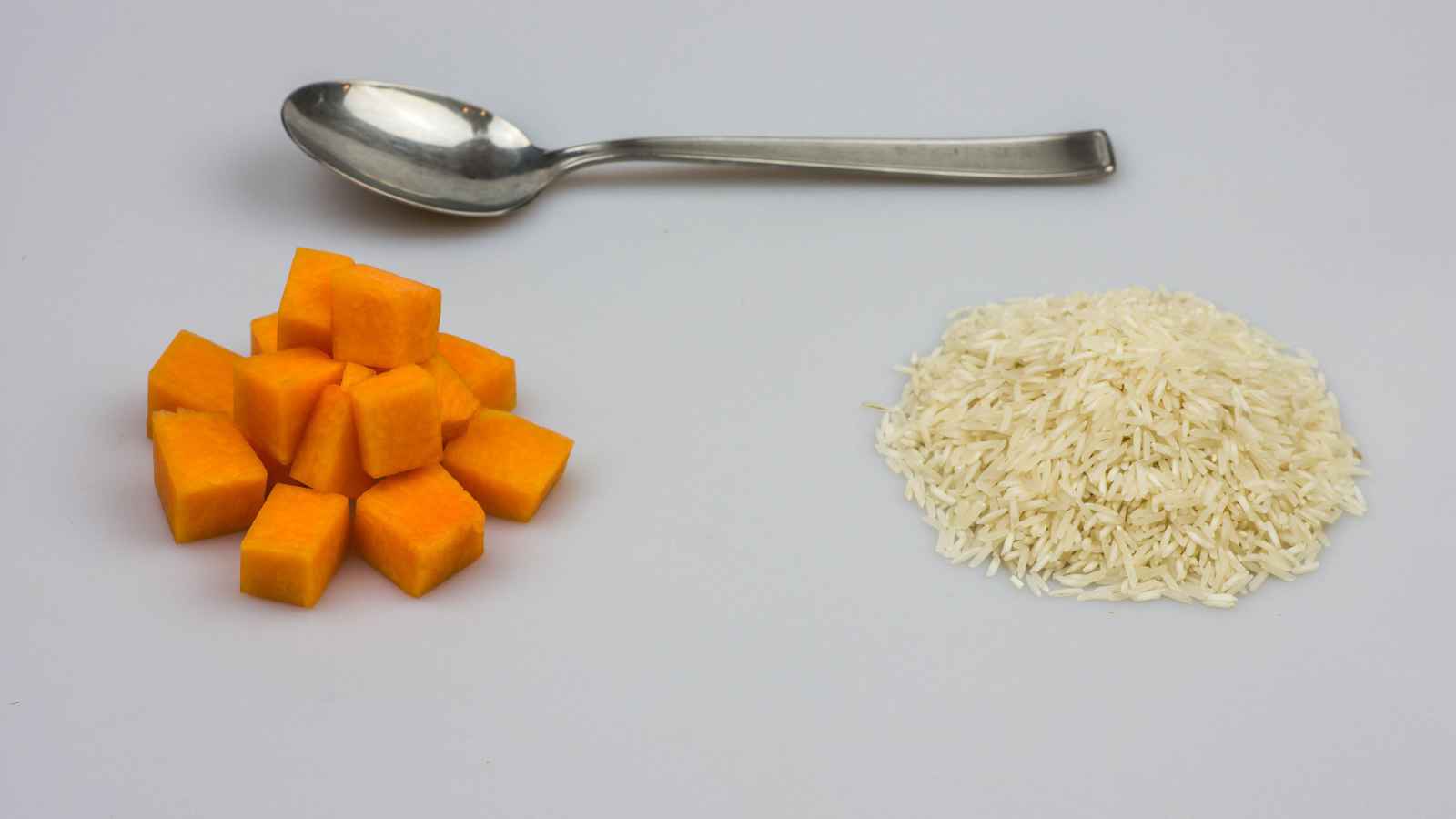
Gram for gram, the numbers favor sweet potatoes. According to Healthline data, 100 grams of cooked sweet potato provides about 86 calories and roughly 20 grams of carbohydrates. The same amount of cooked white rice delivers around 130 calories and 28 to 29 grams of carbohydrates. That difference adds up over daily meals.
Fiber widens the gap. Sweet potatoes contain about 3 grams of fiber per 100 grams, nearly nine times more than white rice, which averages around 0.3 grams. Sweet potatoes also supply beta-carotene, vitamin C, vitamin B6, potassium, and polyphenols. White rice remains relatively micronutrient-poor unless fortified, as documented in USDA and FAO nutrient databases.
Blood Sugar, Glycemic Index, And Daily Use

Sweet potatoes generally fall into the medium glycemic index range, roughly 44 to 61. White rice often sits higher, commonly between 70 and 89, according to international GI tables maintained by the University of Sydney. This means rice tends to raise blood sugar faster, particularly when eaten alone.
Cooking shifts the picture. Boiled sweet potatoes cluster toward the lower end of the GI spectrum, around 46 to 50, while baking or roasting can push them closer to 60. The National Library of Medicine found that when potatoes or rice are eaten with protein, fat, and vegetables, their blood sugar impact changes significantly.
Dietitians often describe boiled sweet potatoes as a gentler carb when paired wisely, but warn that large portions or sugary toppings can erase the benefit.
Health Benefits Linked To Regular Sweet Potato Intake
Beyond calories and carbs, sweet potatoes carry functional weight. A 2022 systematic review published in Foods concluded that regular sweet potato consumption may improve vitamin A status and support blood glucose regulation. The review also found potential benefits for blood pressure, iron absorption, constipation relief, and liver health.
More targeted research adds intrigue. Clinical studies published in Diabetes Care and Metabolism show that Caiapo, an extract from white-skinned sweet potatoes, reduced HbA1c and fasting glucose in people with type 2 diabetes. These improvements were observed over a twelve-week period.
Save this article
According to the National Library of Medicine, carotenoid-rich diets are linked to reduced oxidative stress. They also associate these diets with a lower risk of certain cancers, including kidney and stomach cancers, when part of a plant-forward eating pattern.
Weight, Fullness, And What Gets Replaced
Fiber changes how food feels, not just how it counts. Controlled appetite studies summarized in The Journal of Nutrition found that participants who consumed higher-fiber foods like sweet potatoes reported greater fullness. The increase was roughly 20 percent compared with lower-fiber options. They also showed improved appetite control compared with low-fiber starches.
Replacing refined white rice or ultra-processed carbohydrate sides with simply prepared sweet potatoes reduces exposure to added sugars, sodium, and flavor enhancers. These additives are linked to obesity, hypertension, and metabolic disease in large cohort studies.
Risks, Caveats, And Portion Reality

Sweet potatoes are still a carbohydrate-rich food. Large portions, especially when baked, roasted, or fried, can raise blood sugar substantially in people with diabetes or insulin resistance. Portion awareness matters more than the label of the food itself.
They also contain moderate to high oxalate levels. Clinical guidance in The American Journal of Kidney Diseases advises people with calcium oxalate kidney stones to limit high-oxalate foods or pair them with calcium-containing foods. Excess beta-carotene intake is rarely dangerous, but blood sugar load and total carbohydrate intake remain the more realistic concerns.
For most adults, half to one cup cooked a few times per week or most days is reasonable, with personalization advised for diabetes or stone risk.
A Global Shift Toward Roots Over Refined Grains
Across Asia, Africa, and Latin America, public health messaging increasingly promotes root crops alongside grains. Reports from the FAO and World Health Organization highlight sweet potatoes as tools to diversify diets, stabilize blood sugar, and reduce micronutrient deficiencies. This emphasis comes as white rice consumption has surged.
Orange-fleshed sweet potatoes receive particular attention in nutrition programs for their role in combating vitamin A deficiency among children and pregnant women. Online health communities echo this shift, favoring sweet potato bowls and wedges as smart carb alternatives.
It reflects not a rejection of rice, but a broader return to variety, where the most nourishing choice is often the one that widens the plate rather than narrowing it.
Disclosure: This article was developed with the assistance of AI and was subsequently reviewed, revised, and approved by our editorial team.
Disclaimer – This list is solely the author’s opinion based on research and publicly available information. It is not intended to be professional advice.
Like our content? Be sure to follow us





