

Creatine is usually discussed in terms of strength, recovery, and sports nutrition.
Now researchers are asking whether it may also have a role in treating depression, a condition that affected about 21 million American adults in 2021.
A 2026 review of five randomized controlled trials found promising results in two studies and no significant benefit in three others. The most encouraging findings came when researchers added creatine to existing treatment, not when they used it alone.
That distinction is the difference between an intriguing research lead and a new depression treatment.
Five Trials Produced a Divided Result
The evidence base is small, short-term, and far from uniform.
The systematic review in The Canadian Journal of Psychiatry examined six papers describing five randomized controlled trials. Together, they included 238 participants, with 126 assigned to creatine and 112 to placebo.
Participants averaged about 36 years old, and only 26 percent were male. Four trials involved major depressive disorder, while one focused on bipolar depression.
Creatine doses ranged from 2 to 10 grams a day, and the trials lasted between four and eight weeks. Two trials were rated as having a low risk of bias, while three raised methodological concerns.
The overall result was straightforward: two trials reported benefit and three did not.
Bassam Jeryous Fares, first author of a separate short paper published in Brain Medicine around June 30, 2026, summarized the evidence in a sentence that resists the usual supplement hype: “The signal is interesting, but it is not a verdict.”
Related: The Mind-Body Connection: Why Mental Health Fuels Better Intimacy
The Strongest Result Came from 52 Women Taking an Antidepressant
The most striking remission finding came from a small 2012 trial in which researchers added creatine to escitalopram.
The Lyoo et al. trial enrolled 52 women with major depressive disorder. Participants received either creatine or placebo alongside the antidepressant escitalopram.
After eight weeks, depression scores were lower in the creatine group. Using the study’s definition of remission, 52 percent of those receiving creatine reached remission compared with 25.9 percent of those receiving placebo alongside escitalopram.
Another randomized trial involving 100 participants tested 5 grams of creatine a day alongside cognitive behavioral therapy. That study also reported greater improvement in the creatine group than in the group receiving therapy with placebo.
Those findings explain much of the current interest. They also define its boundaries, since neither trial showed that creatine could replace medication or psychotherapy.
Corresponding author Nicholas Fabiano put that boundary plainly: “We cannot yet reliably say that creatine helps with depressive symptoms.”
Save this article
Three Other Trials Did Not Confirm the Promise
The positive findings have not been reproduced consistently across different patient groups.
A small study involving adults whose depression had not adequately responded to medication found no significant benefit from creatine at doses of either 5 or 10 grams a day.
Another trial involving mainly adolescent girls with major depression who were already taking selective serotonin reuptake inhibitors also failed to show that creatine performed better than placebo.
The bipolar depression trial likewise found no significant advantage for creatine on major measures of depression and functioning.
That uneven pattern is part of what makes the subject scientifically interesting. Creatine has a substantial history in sports nutrition, but familiarity in one field does not settle whether it has a useful role in another.
A Small Bipolar Trial Raised a Separate Safety Question
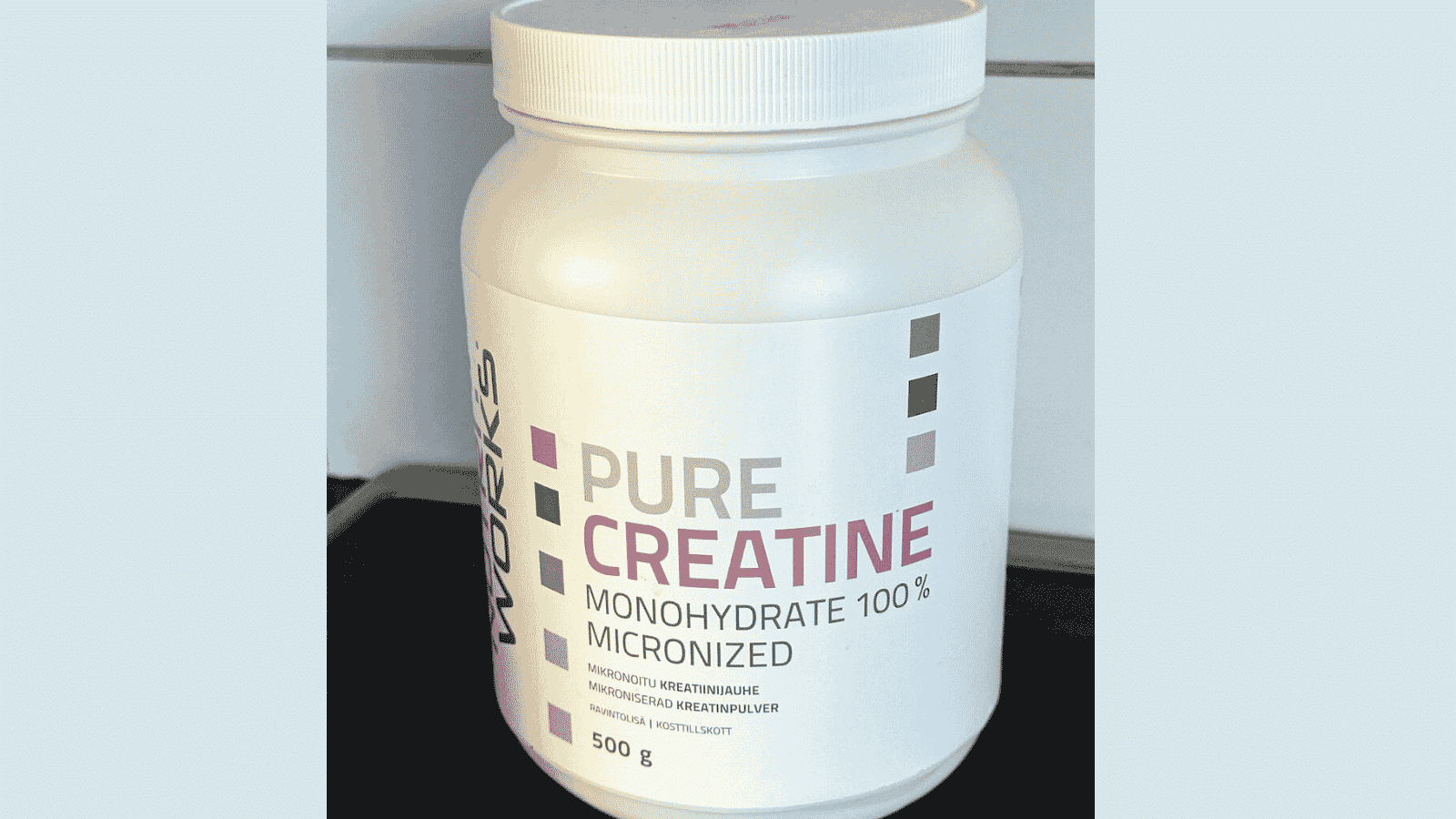
Two cases of hypomania or mania appeared among 17 participants exposed to creatine in the bipolar depression study, but the trial was too small to establish causation.
The bipolar trial included 17 participants in the creatine group. Two developed hypomania or mania, while two others experienced increased depressive symptoms.
The study documents these events, but it does not show that creatine caused them. The sample was too small to determine the size or nature of any risk.
Across the trials, other reported effects included gastrointestinal symptoms, headache, weight gain, dizziness, appetite changes, and sleep difficulties.
Creatine is generally regarded as well tolerated in healthy adults at commonly studied doses, but psychiatric use raises a different set of questions.
For American consumers, there is also a regulatory distinction: the Food and Drug Administration does not approve dietary supplements for safety and effectiveness before they are marketed the same way prescription drugs are, and creatine is not an FDA-approved treatment for depression.
The Next Question Is Whether the Signal Survives Better Studies
Researchers still need larger, longer, and more representative trials before creatine’s role in depression can be defined.
The existing studies cannot establish the ideal dose, show whether any benefit persists beyond eight weeks, or identify which patients might be most likely to respond.
The evidence is also heavily weighted toward women. Only one trial in the review reported race and ethnicity, leaving major questions about how broadly the findings apply across the United States.
The distinction between the January systematic review and the June Brain Medicine paper matters because the later attention did not come from a new large clinical trial. It came from renewed discussion in a research field still small enough for a handful of studies to shape the entire conversation.
Creatine’s cultural familiarity helps give this story its force. A supplement can become ordinary in one corner of American life while remaining experimental in another, and the distance between those two realities is where careful reporting matters most.
Would larger trials make the evidence strong enough for creatine to become as credible in depression treatment as it already is familiar in everyday life?





