

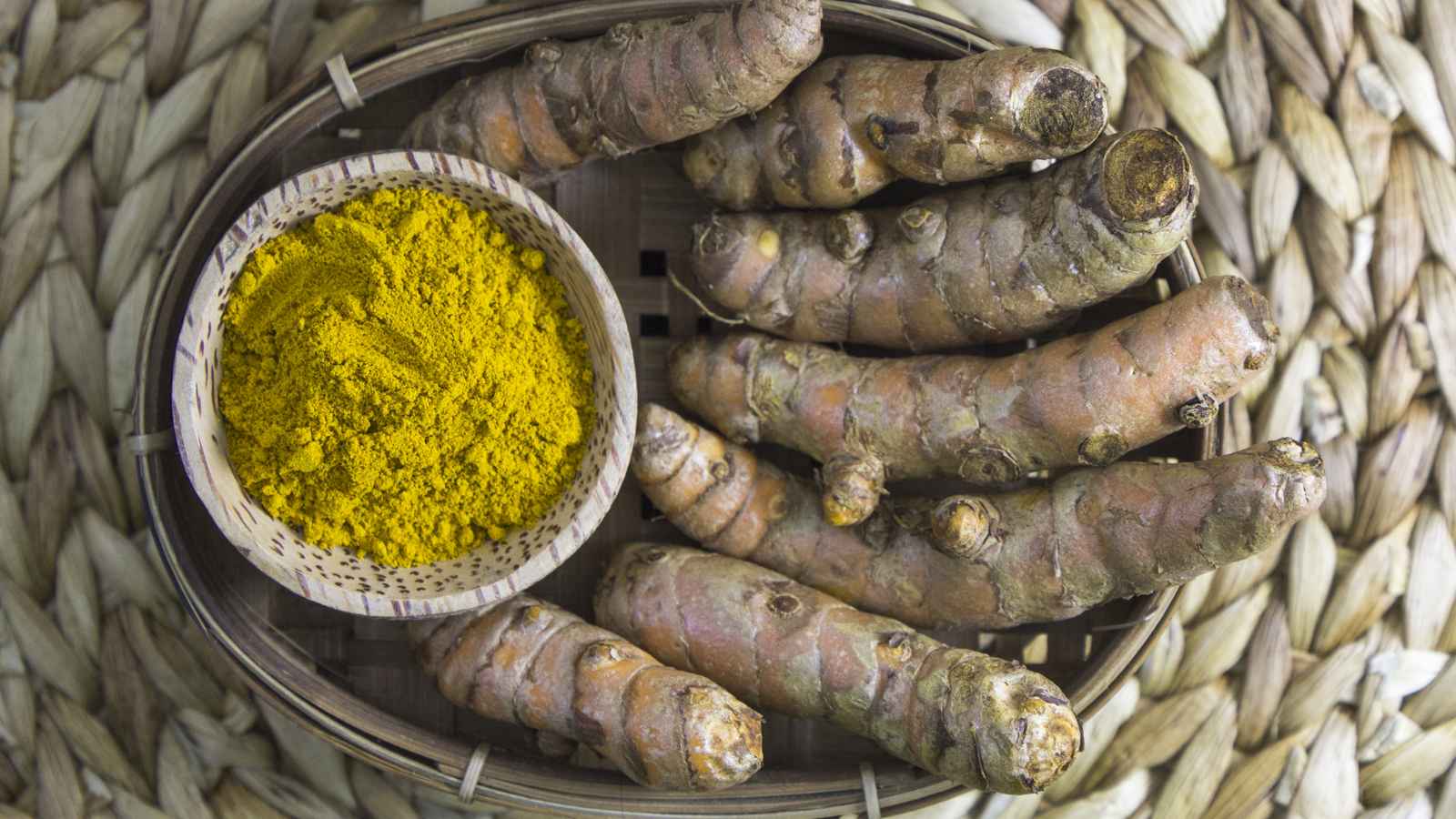
Turmeric has moved from the spice rack into daily wellness routines, driven by interest in its active compound curcumin and its potential anti-inflammatory effects. Doctors often point out that the evidence is strongest when turmeric use is consistent and paired with proper absorption.
The National Institutes of Health notes that curcumin has demonstrated anti-inflammatory and antioxidant properties in multiple clinical studies. However, results vary depending on dose and formulation. This balance between promise and practicality shapes how physicians evaluate turmeric for everyday use.
Rather than treating turmeric as a cure-all, clinicians emphasize realistic expectations, potential interactions, and the importance of overall diet quality. Their perspectives help clarify how turmeric fits into evidence-based health habits and why guidance matters when a supplement becomes part of a daily routine.
Doctors call daily turmeric “generally safe,” with limits

In clinic rooms, turmeric is rarely treated as an exotic intervention. It is spoken about the way doctors speak about oatmeal or walking after dinner. Useful, modest, not magic. That posture is backed by modern safety data. A 2025 randomized, double-blind trial published in Nutrients tested 1,000 milligrams per day of a standardized turmeric extract for five weeks in healthy adults. The dose exceeded what most supplements aim for, yet blood work and side-effect profiles stayed unremarkable.
Phase I human trials reported by the University of Texas MD Anderson Cancer Center documented curcumin intakes of 6,000 to 8,000 milligrams per day for weeks or months. These doses were administered without toxic effects.
However, some participants experienced mild gastrointestinal upset. Clinicians tend to translate this cautiously. Safe does not mean limitless, especially for people on blood thinners or with sensitive stomachs.
Rheumatologists see it as a real add-on for arthritis

In rheumatology, turmeric earns its place not through folklore but repetition. A 2021 systematic review in BMJ Open examined more than 20 randomized trials in osteoarthritis and rheumatoid arthritis. The review found that curcumin reduced pain and inflammatory markers.
In some cases, these effects matched the short-term effects of nonsteroidal anti-inflammatory drugs. The improvements were not dramatic, but they were consistent enough to be noticed.
Another review in the Journal of Medicinal Food pooled six rheumatoid arthritis trials with more than 500 participants. It ranked curcumin among the more effective natural adjuncts for symptom relief. Many rheumatologists summarize this evidence plainly. It has anti-inflammatory and antioxidative properties. It seems safe. It may be worth trying alongside standard care.
Promising evidence, not a miracle narrative

The Atlantic tone that doctors favor is restraint. Meta-analyses in journals such as Osteoarthritis and Cartilage report moderate effect sizes, roughly minus one point on pain and function scales. That is meaningful but not transformative. Patients still need physical therapy, weight management, and disease-modifying drugs where indicated.
The science itself urges humility. Many trials are small, short, and heterogeneous in dose and formulation. Some use turmeric powder, others purified curcumin, others proprietary blends. That diversity makes it hard to issue a single, universal daily prescription. Physicians often frame turmeric as something that may help and probably will not hurt when layered onto a broader plan.
Absorption is the real problem

Curcumin’s reputation suffers not from danger but from biology. It is poorly absorbed. A pharmacokinetic study published in Planta Medica found that even eight grams of curcumin per day for eight weeks produced very low plasma levels. These levels were in the tens of nanograms per milliliter, barely detectable by clinical standards.
The workaround is old and empirical. Black pepper. Research from St. John’s Medical College in Bangalore showed that piperine increased curcumin bioavailability several-fold by slowing metabolism and increasing intestinal uptake. Dietitians and physicians repeat this advice often.
Take turmeric with fat. Use black pepper. Choose formulations designed to enhance absorption. Some debate exists about exactly how much gets through, but few argue that taking turmeric alone on an empty stomach is the best strategy.
The dose doctors actually mention

When clinicians put numbers on it, they tend to cluster. Arthritis specialists commonly suggest 1,000 to 2,000 milligrams of curcumin per day, divided into two or three doses. That range mirrors most positive arthritis trials summarized in Seminars in Arthritis and Rheumatism, where side effects stayed minimal, and benefits were most consistent.
They also warn patients to read labels carefully. Many supplements combine turmeric with additional botanicals or high-dose extracts that change safety profiles. One rheumatologist quoted in Arthritis Care & Research explains the advice simply. Aim for a total daily dose of 1,000 to 2,000 milligrams of curcumin. Check labels. Avoid unnecessary additions.
Save this article
Where doctors see the strongest potential

Turmeric’s appeal extends beyond joints. Reviews from institutions like the National Institutes of Health describe curcumin as a broad anti-inflammatory modulator. It influences pathways tied to metabolic syndrome, inflammatory skin diseases, and certain precancerous conditions. Oncology and dermatology trials cataloged in Cancer Letters have safely used doses as high as 6,000 to 8,000 milligrams per day under supervision.
That breadth shapes how physicians talk about it. Daily turmeric is sometimes suggested for patients with chronic, low-grade inflammation who are already following evidence-based care. It is framed as a gentle nudge rather than a targeted drug. The ambition is not to cure but to support.
Safety caveats that always come up
Even friendly supplements come with footnotes. At very high intakes, typically above 8,000 milligrams per day, reports in MDPI describe gastrointestinal upset. They also note an increased bleeding risk, particularly in people using NSAIDs or anticoagulants.
Because curcumin can influence platelet aggregation, many surgeons and anesthesiologists recommend stopping supplements before procedures. Gastroenterologists also urge caution for people with gallbladder disease or liver disorders. For most healthy adults, daily turmeric is low risk. For anyone on complex medication regimens or facing surgery, it is not a do-it-yourself experiment.
Why many doctors prefer food first

Ask physicians how they personally use turmeric, and many will point to the kitchen. Curries, golden milk, spiced eggs. Culinary doses are modest, variable, and buffered by fat and pepper, which naturally enhance absorption. That context lowers risk.
Clinicians are more cautious about unsupervised supplementation because capsules can concentrate doses far beyond what food provides. If the goal is a general anti-inflammatory habit rather than symptom control, food-based turmeric is often the recommended entry point. Think slow burn, not precision dosing.
What remains uncertain

The unanswered questions are large and unglamorous. Long-term outcomes such as cardiovascular events or cancer incidence have not been settled. Trials are rarely long enough or standardized enough to answer them. Reviews in The American Journal of Clinical Nutrition repeatedly call for larger, longer studies using consistent formulations.
Bioavailability strategies also vary widely between brands. Enhanced extracts, phospholipid complexes, pepper combinations. Clinicians often cannot tell exactly what their patients are absorbing. That uncertainty tempers enthusiasm and keeps recommendations cautious.
The bottom line doctors land on

Across rheumatology, integrative medicine, and primary care, the message converges. Daily turmeric can be a useful adjunct for pain and inflammation. It is not a replacement for medical treatment. Typical advice is pragmatic.
Start around 1,000 to 2,000 milligrams of curcumin per day. Take it with food, fat, and black pepper or a bio-enhanced formula. Pause and ask questions if you take blood thinners or have surgery planned.
Recent randomized trials, including the 2025 Nutrients study, confirm that even doses several times higher than common supplements were well tolerated for weeks in healthy adults. That does not crown turmeric a cure. It does, however, support its place as a cautious daily habit when expectations are realistic.
Key Takeaway

Most doctors view daily turmeric as generally safe and potentially helpful for inflammation and joint pain.
However, they emphasize important caveats around dose, absorption, and using it as an add-on rather than a cure-all.
Disclaimer – This list is solely the author’s opinion based on research and publicly available information. It is not intended to be professional advice.
Like our content? Be sure to follow us.