A 2021 study by the University of Helsinki, published in Scientific Reports, involving about 9,000 dogs, found that small dogs were significantly more likely to display aggressive behavior toward humans than medium- and large-sized dogs.
We’ve all seen it: a dog wagging its tail, seemingly friendly and eager for a belly rub. But then, out of nowhere, it snarls, growls, or even bites. It leaves us wondering, “What just happened?”
The truth is, even the most lovable dogs can display unpredictable aggression under certain circumstances. So, what’s going on here? Experts say that several factors can cause this sudden aggression, even in dogs that appear calm and friendly most of the time.
Let’s explore which breeds are most likely to surprise us with this behavior, and what might be at the root of it.
Understanding Sudden Aggression in Dogs

According to Dr. Karen Becker, a veterinarian, “Aggression in dogs can happen when they feel threatened, fearful, or anxious.” But it’s not just emotional triggers. Physical pain or illness can also make a dog react aggressively. And then, there’s the issue of poor training or lack of socialization. These factors, when combined, can lead a dog to act aggressively, even if it hasn’t shown these tendencies before.
What might start as a small warning signal, a growl, or a tense posture can quickly escalate to a bite if not recognized in time. So, what should you look out for? And which dogs are more likely to act without warning?
The Breeds Prone to Unexpected Aggression

Some dog breeds, despite their friendly reputation, are more likely to show aggression if the right triggers are present. Aggression is not strictly a breed-specific issue, but statistics and expert opinions suggest that certain breeds are more frequently involved in biting incidents.
- Pit Bull Terrier
Pit Bulls are often at the center of the “aggressive dog” conversation. DogsBite reported in 2020 that pit bulls accounted for 66% of all fatal dog attacks in the United States between 2005 and 2019.
Though many Pit Bulls are well-behaved, their powerful build and intense protective instincts can lead to aggressive behavior if they feel threatened or provoked. When well-socialized and trained, they are often sweet and loving, but their loyalty and protectiveness can be triggered when they feel their family is in danger.
- Chihuahua
Surprised? Despite their small size, Chihuahuas have a reputation for being feisty and unpredictable. Due to their fear-based aggression, Chihuahuas can snap without warning when they feel cornered or overwhelmed. They’re also known to be more aggressive towards other animals and strangers.
Statistics: A study published in The Journal of Applied Animal Behavior Science found that small-breed dogs, such as Chihuahuas, often exhibit higher levels of aggression than larger dogs, primarily due to their tendency to act out of fear or anxiety.
- Dachshund
These little dogs, often known for their stubborn nature, are also prone to snapping when they’re frightened or feeling territorial. Dachshunds were originally bred for hunting, and their prey drive can sometimes lead to aggressive behaviors, especially when they perceive a threat.
Even though adorable, dachshunds are not always great with other animals. Their hunting instincts and territorial nature can quickly escalate into aggressive reactions.
- German Shepherd
Save this article
They are often praised for their intelligence and loyalty, but German Shepherds can also display sudden aggression, particularly if they’ve had poor training or improper socialization. Overprotectiveness is a common trait in German Shepherds, which can lead to aggressive behavior when they feel their family is at risk.
German Shepherds are involved in approximately 4.2% of dog-bite cases in the U.S. Their natural guarding instincts can sometimes lead to unprovoked aggression, especially when they perceive a threat.
- Rottweiler
Rottweilers are often perceived as aggressive due to their strong protective instincts. Many Rottweilers are calm and affectionate, but their tendency to guard their home or territory can lead to sudden aggression if they feel threatened. In fact, Rottweilers are one of the most common breeds involved in bite incidents.
Rottweilers, like all dogs, need structured early socialization and consistent, positive training to prevent fearfulness or overprotectiveness. If they feel they are in charge, aggression can occur.
Warning Signs to Watch Out For
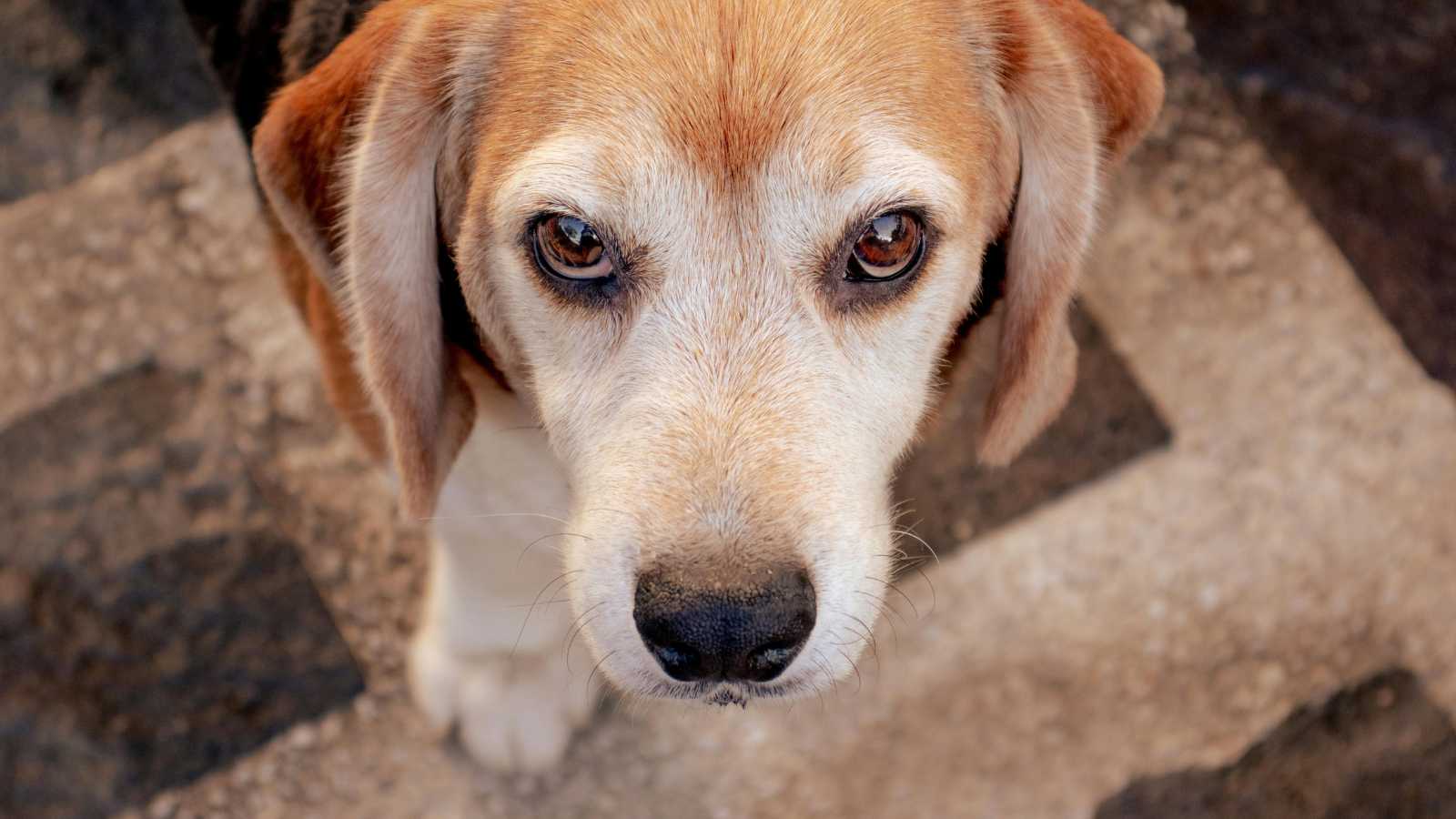
Whether you’re dealing with one of the breeds listed above or any dog, it’s important to recognize the early warning signs of aggression. These signs include:
- Growling: This is usually the first signal that a dog may be feeling threatened or possessive.
- Tense body language: A stiff, frozen posture can indicate that a dog is about to act aggressively.
- Baring teeth: This is a clear sign that the dog is not comfortable and may escalate into a bite.
- Raised hackles: The hair on the dog’s back standing up is a sign that the dog is in a heightened state of arousal.
By paying attention to these signs, you can often prevent a situation from escalating and reduce the risk of unexpected aggression.
How to Prevent Aggression in Dogs

So, what can you do to prevent your dog from becoming aggressive without warning? Here are some key tips from experts:
- Early Socialization: Expose your dog to different people, animals, and environments from a young age. This can help them become more confident and less likely to react aggressively out of fear.
- Consistent Training: Positive reinforcement training can teach dogs to behave appropriately and respond appropriately in stressful situations.
- Exercise and Mental Stimulation: A tired dog is a happy dog! Regular physical and mental exercise can help prevent frustration and reduce the likelihood of aggression.
- Recognize Stress Signals: Learn to spot when your dog is feeling stressed or anxious, so you can intervene before aggression occurs.
Key Takeaways

It’s impossible to predict a dog’s behavior with 100% certainty, but understanding potential aggression triggers and which breeds are more susceptible can help dog owners be better prepared.
By providing proper training, socialization, and care, we can ensure that our canine companions are happy, healthy, and less likely to exhibit unexpected aggression. Remember, no dog is inherently aggressive. With the right approach, most dogs can live peaceful, well-adjusted lives. So, the next time you see a dog wagging its tail, just keep in mind that it might be hiding a protective streak or a fear of the unexpected.
Disclaimer – This list is solely the author’s opinion based on research and publicly available information. It is not intended to be professional advice.
Disclosure: This article was developed with the assistance of AI and was subsequently reviewed, revised, and approved by our editorial team.
Like our content? Be sure to follow us.