

A very sneaky and incredibly hard-to-treat fungus is currently spreading fast across the country, causing major worry for local hospitals and medical clinics.
Thousands of cases of a potentially deadly and drug-resistant yeast called Candida auris have been officially reported in 27 different states this year. It mostly affects nursing homes and care centers where people are already dealing with very serious health issues.
This rising medical threat might force healthcare workers to completely change how they clean shared hospital rooms and treat sick patients.
The Hidden Threat Inside Local Hospitals
This tough fungus is not a big danger to healthy folks walking around outside, but it could be very risky for frail hospital patients.
Recent data by ABC News shows well over 3,400 clinical cases have popped up in the United States so far this year.
California currently leads the pack with roughly a quarter of all the reported infections across the whole country. Other states seeing a high number of cases include Texas, Tennessee, Ohio, and Georgia.
The tricky part is that this yeast can easily survive on common surfaces like bed rails and doorknobs for a very long time. When sick patients touch these shared items, the invisible bug can jump from person to person inside the building.
Why This Bug is So Hard to Fight
What makes this bug so scary is that it appears to ignore the usual medicines doctors use to fight off infections. Experts say most samples simply do not respond to common treatments.
Because the normal drugs do not work well, doctors often have to try mixing three or four different medicines just to slow it down. This growing resistance looks very similar to the tough problems we see with scary superbugs that completely ignore normal antibiotics.
The health effects can range from carrying the bug silently to developing a very serious infection in the bloodstream. Since most patients are already sick, it is hard to know exactly how much the fungus hurts them.
How It Sneaks Past the Body
Save this article
Health experts note that this clever yeast might actually trick the human body into thinking it is a simple virus instead of a tough fungus.
This means the immune system could accidentally send the wrong defense cells to fight the infection, allowing the bug to spread even faster.
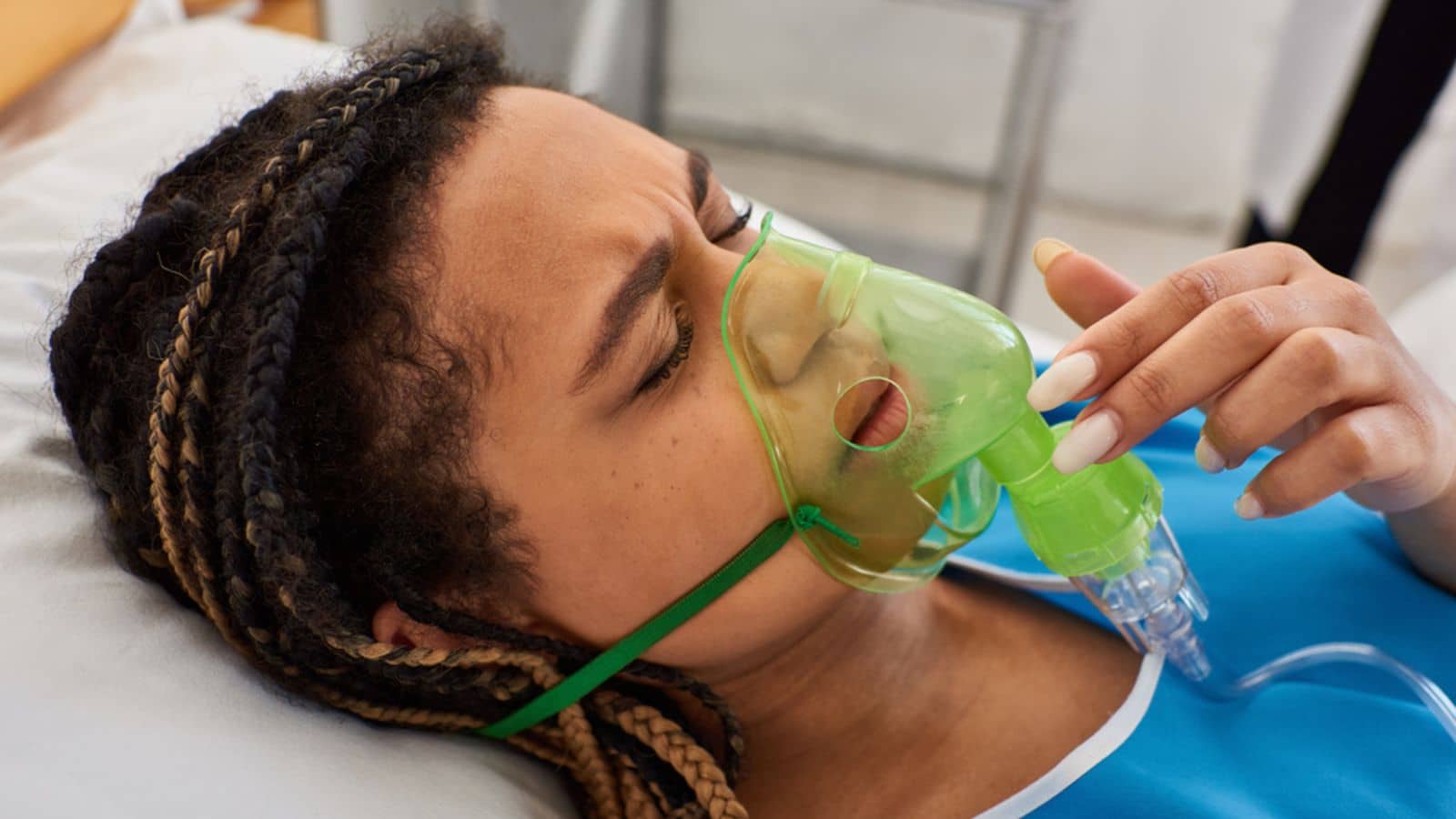
People who need breathing tubes or long hospital stays seem to be the most vulnerable to this tricky health invader. Folks without those specific medical tools are highly unlikely to catch the bug.
Since symptoms like fever and chills are very common with other illnesses, doctors might easily mistake this tough yeast for a regular infection. Standard lab tests often get it wrong at first, which can sadly delay the right treatment for someone who really needs help fast.
Looking for New Ways to Protect Patients
Right now, big research teams are working very hard to develop brand new treatments that could finally stop this bug.
Medical leaders strongly believe that better cleaning and strict hospital rules might be the absolute best defense we currently have. By keeping shared medical gear perfectly clean, nurses and doctors could likely stop the bug before it reaches another fragile patient.
It takes a huge team effort to wipe down every single surface and make sure nothing is missed during a very busy and chaotic hospital shift.
While case numbers are rising, the spread does seem to be slowing down compared to the huge spikes we saw a few years ago. Still, keeping vulnerable folks safe will probably require extra care moving forward.
How might local care centers and big hospitals work together to share their best cleaning tips and keep this tricky bug from spreading further?





