

Want to know what the world’s longest-living people don’t eat? Spoiler: it’s pretty much everything in the average grocery store snack aisle.
Have you ever looked at someone spry and energetic in their 90s and thought, “What’s their secret?” Great genes certainly help, but what people eat (and don’t eat) plays a massive role. It turns out, the longest-living people on Earth share some similar eating habits, especially when it comes to the foods they avoid.
In Blue Zones—regions known for exceptional longevity—approximately 95% of the diet consists of plant-based foods, with only about 5% coming from animal protein such as meat, dairy, fish, and eggs.
So, what’s on their “do not eat” list? It’s not about some trendy, restrictive diet. It’s about sticking to simple, whole foods and steering clear of the processed stuff that fills most modern grocery stores. Let’s look at the fifteen foods these super-agers typically skip.
Processed meats
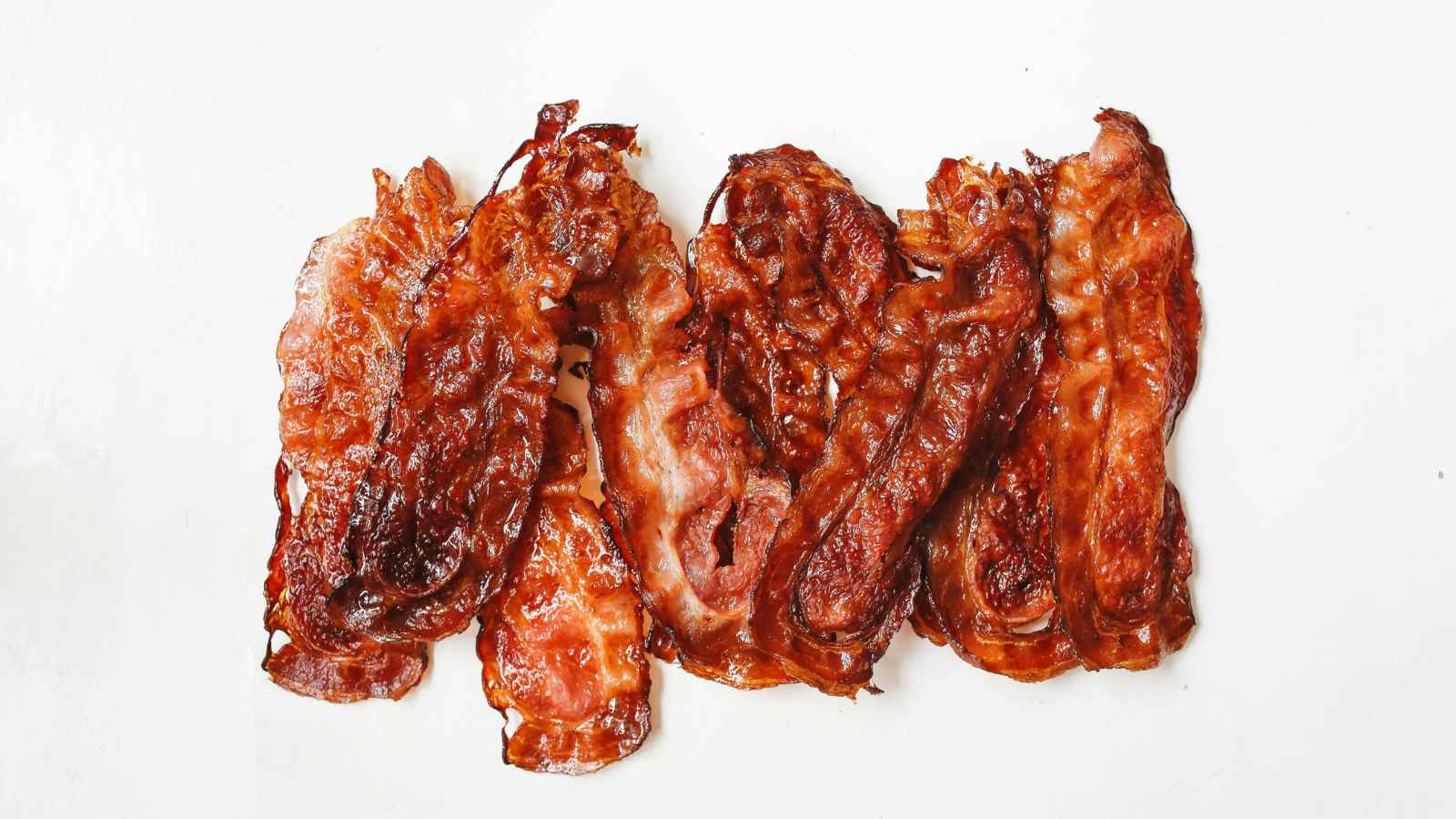
First up are processed meats like sausages, hot dogs, bacon, and deli meats. People in longevity hotspots like Okinawa, Japan, and Ikaria, Greece, almost never eat them. These foods are strongly linked to a higher risk of heart disease, stroke, and even certain cancers. It’s no wonder these communities pass on the bacon.
The famous Blue Zones studies found that people in these regions eat meat very rarely, usually less than five times a month. When they do, it’s typically a small portion, not a giant steak. The World Health Organization even classifies processed meat as a Group 1 carcinogen, putting it in the same category as tobacco for its link to colorectal cancer. So, maybe that daily deli sandwich isn’t such a great idea after all.
Refined sugar
Candies, cakes, and sugary sodas are another big no-no for the world’s oldest people. They get their sweetness from natural sources like fruit and a bit of honey. Why does this matter? Refined sugars contribute to a whole host of problems, including obesity, diabetes, and heart disease. Who needs that?
In the Blue Zones, daily added sugar intake is tiny, often just a few teaspoons, even during celebrations. By avoiding the sugar rollercoaster, they maintain stable blood glucose levels and skip the energy crashes. U.S. health guidelines, learning from this research, suggest keeping added sugars under 10% of your daily calories. Seems like a smart move.
Sugary drinks
Along the same lines, sugary drinks are basically nonexistent in these longevity zones. Sodas, energy drinks, and sweetened juices are replaced with water, herbal teas, and sometimes a bit of wine. It’s a simple swap with huge benefits. These drinks are a major culprit in the global rise of obesity and type 2 diabetes.
Research from the National Institutes of Health shows that cutting out sugar-sweetened beverages can add years to your life. In fact, the difference can be up to a decade for those with the healthiest habits. The lesson here is pretty clear: if you want to live a long, healthy life, skip the sugary drinks and stick to the simple stuff.
White bread and refined grains

Ever notice how satisfying a hearty, whole-grain bread feels compared to flimsy white bread? The world’s oldest people definitely have. They avoid white bread and other refined grains, opting instead for whole grains like brown rice, barley, and whole wheat. These foods provide essential fiber and nutrients that keep them going strong.
Studies show that centenarian diets get a large portion of their energy (57–65%) from carbs, but almost all of it comes from unprocessed, whole-food sources. This approach helps with digestion and lowers the risk of diabetes and heart disease. They favor homemade breads with simple ingredients over commercial baked goods.
Excessive red meat
A burger can be tempting, but people in longevity zones eat very little red meat. Their main protein sources are beans, lentils, fish, and eggs. The Blue Zones data shows red meat is usually reserved for special occasions and eaten less than five times a month. When it is served, it’s a small side, not the main event.
Limiting red meat is linked to lower rates of heart disease, certain cancers, and a longer life. One study found that eating just 20 grams of beans a day (about a handful) can reduce the risk of death in older adults by 8%. Seems like a pretty good trade-off, doesn’t it?
Highly processed foods
Packaged snacks and instant meals are all about convenience, but they’re not doing our health any favors. Centenarians almost exclusively eat meals made from fresh, minimally processed ingredients. You won’t find chips, crackers, or prepackaged snacks in their pantries. What a concept, right?
Instead, they snack on whole vegetables, nuts, and fruits. Their meals are simple and prepared at home. Diets low in processed foods are consistently linked to fewer chronic diseases and longer lives. It’s all about getting back to basics and eating real food.
Fast food
It probably won’t shock you to learn that fast food is not part of a centenarian’s diet. In many of these long-living regions, fast-food chains don’t even exist. People rely on local farms and their own gardens for fresh produce, making it a daily habit.
Global studies show a clear link between living near fast-food outlets and having worse health outcomes. The traditional recipes in these longevity zones were passed down for generations, long before fast food was even a thing. This helps explain the lower rates of obesity, diabetes, and heart disease among these populations.
Artificial sweeteners
What about “diet” or “sugar-free” options? The longest-living people don’t use artificial sweeteners either. When they want something sweet, they reach for fruit, dried fruit, or a small amount of natural honey. It’s a simple, whole-food approach.
Long-term research has raised questions about how artificial sweeteners affect our gut health and metabolism. The data on longevity is still limited, but the preference for natural sweetness reflects a bigger idea: choose food for its quality, not just its calorie count.
Excessive dairy
Some dairy can be healthy, but the world’s oldest people tend to minimize processed dairy products like cheese slices and heavy cream. In some regions, they enjoy modest amounts of goat’s or sheep’s milk, often fermented into yogurt. Mass-market dairy snacks are a rare sight.
When dairy is included, it’s fresh and unprocessed, which can be good for gut health and provide calcium. By keeping dairy moderate, they also keep their saturated fat intake in check. For protein and calcium, they often turn to beans, fish, and fermented foods instead.
You might be interested un: DIY Lactose-Free Dairy
Save this article
Deep-fried foods

Deep-fried foods are another item you won’t find on a centenarian’s plate. They prefer to grill, boil, or sauté their food. These cooking methods help preserve nutrients and avoid unhealthy fats. No one needs the extra calories and trans fats from deep-frying.
Deep-fried meals are strongly linked to an increased risk of heart disease and metabolic problems. Studies show that communities with high intakes of deep-fried food have shorter average life expectancies. Lighter cooking methods help keep arteries clear and disease risk low.
Refined oils
Refined vegetable oils like corn, soy, and canola oil are also kept to a minimum in longevity diets. Instead, they use healthier fats in moderation. Olive oil is a staple in Mediterranean Blue Zones like Ikaria and Sardinia, known for its heart-healthy and anti-inflammatory properties.
In Okinawa, the diet is even lower in fat, with most foods being boiled, steamed, or eaten raw. The scientific consensus is that extra-virgin olive oil and other traditional fats are far better for you than heavily processed industrial oils. It’s about quality over quantity.
Salty processed foods
Centenarians stick to low-sodium, fresh foods prepared at home. Their average daily sodium intake is just 1.1 to 1.6 grams, which is well within health recommendations and much lower than the typical Western diet. Think about it, do you know how much salt is in that canned soup or bag of chips?
High salt intake has been linked to a much higher risk of functional decline in older adults. Instead of salt, longevity diets use fresh herbs and spices for flavor. This simple habit benefits heart function, blood pressure, and overall health.
Pastries and commercial baked goods
Store-bought pastries and other commercial baked goods are another food to avoid. They are often loaded with added sugars, refined grains, and unhealthy trans fats. For a treat, the world’s oldest people might have a piece of fruit or a homemade dessert made with whole grains.
Dietary surveys show that people who avoid commercial desserts have better blood sugar control and lower rates of chronic disease. Cooking at home gives you full control over what goes into your food, especially the sugar and fat content.
Excessive alcohol

When it comes to alcohol, moderation is the key. In longevity zones like Ikaria and Sardinia, a glass of red wine with a meal is common, but heavy drinking is not. Spirits and large amounts of beer are generally avoided. It’s about social connection, not getting drunk.
An NIH study found that the people who lived the longest either didn’t drink or drank only in moderation: one drink a day for women and two for men. Drinking too much increases the risk for chronic disease and premature death. The world’s oldest people know where to draw the line.
Processed convenience foods
Finally, processed convenience foods full of preservatives and additives are never a staple for the world’s oldest people. Their traditional meals consist of a few fresh, recognizable ingredients. It’s food that their great-grandparents would recognize.
Blue Zones researchers point out that these communities don’t count calories or read nutrition labels. They simply avoid foods with long, complicated ingredient lists. Taking the time to cook at home builds a strong nutritional foundation and strengthens family bonds.
Disclaimer – This list is solely the author’s opinion based on research and publicly available information. It is not intended to be professional advice.
How Total Beginners Are Building Wealth Fast in 2025—No Experience Needed

How Total Beginners Are Building Wealth Fast in 2025
I used to think investing was something you did after you were already rich. Like, you needed $10,000 in a suit pocket and a guy named Chad at some fancy firm who knew how to “diversify your portfolio.” Meanwhile, I was just trying to figure out how to stretch $43 to payday.
But a lot has changed. And fast. In 2025, building wealth doesn’t require a finance degree—or even a lot of money. The tools are simpler. The entry points are lower. And believe it or not, total beginners are stacking wins just by starting small and staying consistent.
Click here and let’s break down how.
12 Kitchen Hacks You May Not Know

12 Kitchen Hacks You May Not Know
Sometimes preparing meals and just dealing with food can feel like a bore and a chore – or just plain frustrating! We’ve got the best food hacks to pass down to you to get you in and out of the kitchen fast. Not more drudgery, and dare we say it, some of these hacks are kind of fun. Save money, too. Win-win!
Do you have a kitchen hack we should know about?





