

Florida’s pandemic boom has sharply reversed as soaring insurance costs and climate risks drive a 93% drop in new arrivals.
Florida continues to draw new residents, but the pace has slowed significantly. Estimates from the U.S. Census Bureau show that net migration has dropped by 93% from its 2022 peak, falling from over 310,000 newcomers during the pandemic surge to just 22,517 last year.
Rising insurance costs, housing pressures, and climate risks are reshaping how Americans evaluate the Sunshine State. Redfin data shows home price growth has flattened in several Florida metros, while insurance premiums have surged faster than the national average.
Buyers and retirees now weigh long-term affordability and resilience, not just sunshine and tax perks. Understanding the forces behind this shift helps you decide if Florida still fits your financial and lifestyle goals.
Skyrocketing homeowners’ insurance costs
Insurance premiums in Florida have climbed dramatically, with the Insurance Information Institute reporting average annual premiums exceeding $6,000, more than triple the U.S. average.
Insurers have exited the state or tightened underwriting after costly hurricane seasons, shrinking competition and pushing prices higher. This trend hits both homeowners and landlords, increasing the total cost of ownership beyond mortgage payments.
A property that looked affordable on paper now carries a hidden financial tail risk. Buyers now run full cost scenarios before committing, and many walk away.
Housing affordability is no longer a bargain
Florida’s reputation as a budget-friendly retirement haven has eroded. According to Redfin, median home prices in cities like Miami and Tampa surged over 40% between 2020 and 2023, outpacing income growth. Wage data from the Bureau of Labor Statistics shows earnings have not kept pace with housing inflation, compressing affordability ratios. First-time buyers face higher down payments and tighter lending conditions, while renters encounter rising lease renewals. The gap between expectation and reality has widened, and many newcomers discover the “Florida dream” demands a larger financial cushion than anticipated.
Climate risks are harder to ignore
Flooding, hurricanes, and sea-level rise have moved from abstract concerns to measurable risks. NOAA data shows an increase in billion-dollar weather disasters affecting Florida over the past decade. Coastal properties now require detailed flood zone assessments, elevating due diligence costs.
Mortgage lenders and insurers increasingly factor climate exposure into decisions, influencing approvals and pricing. Dr. Philip Klotzbach, a hurricane researcher at Colorado State University, notes, “Warmer ocean temperatures are contributing to stronger storms, raising long-term risk profiles.” Buyers are responding by favoring inland markets or avoiding the state entirely.
Property taxes and hidden costs are rising
Florida’s lack of state income tax still attracts attention, yet property taxes and local fees have climbed. County-level tax assessments have increased alongside property values, and infrastructure costs—such as stormwater management—are passed to residents. Municipal budgets strained by growth demand more revenue, shifting the tax burden toward homeowners.
The Tax Foundation highlights that total tax burden calculations must include local levies, which often surprise new residents. The result is a more complex financial picture than the simple “no income tax” headline suggests.
More articles to read:
- I retired in Florida—here are 12 reasons I regret it and decided to leave
- 9 Reasons You Might Regret Retiring in Florida
- 12 reasons people are flocking to Tennessee—including a $10,000 incentive to move
Infrastructure strain and congestion
Population growth has outpaced infrastructure expansion in many areas. The Florida Department of Transportation reports rising traffic congestion in major corridors, particularly around Orlando, Tampa, and South Florida.
Commute times have lengthened, and public transit options remain limited compared to other large states. Rapid development has also stressed utilities and public services, creating bottlenecks that reduce quality of life. For professionals relocating for remote work, daily convenience now factors heavily into location decisions.
Job market concentration in lower-wage sectors
Florida’s economy leans heavily on tourism, hospitality, and service industries. Bureau of Labor Statistics data shows a higher proportion of employment in these sectors compared to the national average, which can suppress wage growth.
High-paying industries such as tech and advanced manufacturing remain less dominant. Skilled professionals often find fewer opportunities matching their income expectations, leading to out-migration toward states with stronger diversified economies. This structural imbalance shapes long-term earning potential.
Rental market volatility
Renters face significant instability, particularly in urban centers. Zillow data indicates rent spikes during the pandemic years followed by uneven corrections, creating unpredictable lease pricing.
Save this article
Landlords dealing with higher insurance and maintenance costs pass those expenses to tenants, contributing to volatility. Short-term rental platforms have also tightened supply in some markets, further pressuring rents. Renters seeking predictable housing costs are increasingly exploring alternative states.
Rising utility and maintenance costs
Heat, humidity, and storm exposure drive higher maintenance expenses. Air conditioning runs year-round, increasing electricity consumption compared to cooler regions. Utility data shows Florida households spend more on cooling relative to national averages.
Salt air corrosion and storm damage accelerate wear on roofs, vehicles, and exterior materials, raising upkeep budgets. These recurring costs accumulate quietly but significantly impact long-term affordability calculations.
Insurance challenges beyond homes
Auto insurance premiums have also risen, driven by high accident rates and litigation costs. The National Association of Insurance Commissioners reports Florida among the higher-cost states for auto coverage.
Healthcare insurance can also be expensive depending on region and provider networks. These overlapping insurance pressures create a compounding effect, raising overall living costs beyond initial expectations.
Education system concerns
Public education quality varies widely across counties. Data from the National Center for Education Statistics shows disparities in funding and performance metrics. Families relocating with children often face trade-offs between affordable housing and access to top-rated schools. Private education becomes a consideration, adding to household expenses. This factor influences long-term settlement decisions, especially for middle-income families.
Environmental degradation and overcrowding
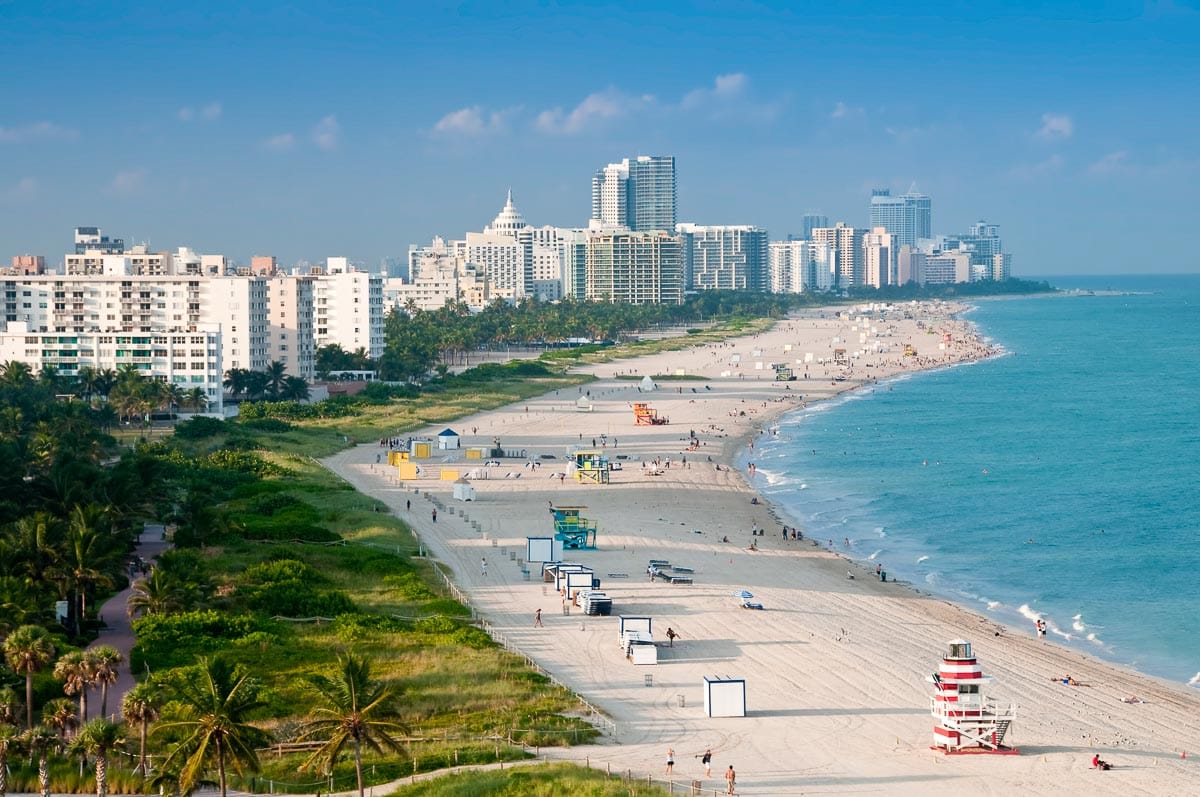
Population growth has strained natural resources. Reports from the Florida Department of Environmental Protection highlight issues such as water quality concerns, algae blooms, and habitat loss.
Popular beaches and parks face overcrowding during peak seasons, reducing the experience that once drew residents. Environmental quality now plays a measurable role in relocation decisions, particularly among retirees seeking tranquility.
Political and cultural polarization
Florida’s political climate has become more prominent in relocation decisions. Pew Research Center data shows Americans increasingly consider political alignment when choosing where to live.
Policy changes in education, healthcare, and social issues have influenced perceptions of the state. For some, this creates alignment; for others, it introduces friction. The result is a more selective migration pattern rather than broad appeal.
Remote work reshaping location choices
Remote work has expanded geographic flexibility, allowing workers to compare multiple states on cost, climate, and quality of life. U.S. Census migration trends show growing interest in states like North Carolina, Tennessee, and Texas as alternatives.
Florida now competes in a wider marketplace where affordability, infrastructure, and risk exposure carry more weight. The pandemic-era surge in relocations has normalized, revealing a more balanced and competitive landscape.
Key takeaways
- Florida remains a growth state, but the pace has slowed as costs rise and risks become clearer.
- Insurance, both home and auto, has become a defining factor in affordability.
- Housing prices surged faster than incomes, reshaping who can afford to move in.
- Climate exposure is influencing buyer behavior and lender decisions.
- Remote work has increased competition among states, reducing Florida’s automatic appeal.
Disclosure: This article was developed with the assistance of AI and was subsequently reviewed, revised, and approved by our editorial team.
Like our content? Be sure to follow us on Newsbreak.
12 great places to retire that cost less than Florida

Florida’s housing market has seen escalating home prices, property taxes, and insurance rates, with median home prices rising significantly year-over-year and property taxes increasing by nearly 60% in some areas in recent years.
Savvy retirees are discovering amazing alternatives throughout America that offer a more affordable cost of living, wonderful weather, top-notch healthcare, and vibrant communities. Learn more.





