

It’s hard to imagine modern life without social media. And yet we’ve never been more connected—and many people have never felt more alone.
We celebrate birthdays, share milestones, follow the news, stay in touch with family, and even form friendships through apps that barely existed two decades ago. Today, more than 5.6 billion people—nearly two-thirds of the world’s population—use social media in some form.
But as our lives move increasingly online, many people are asking a bigger question: What is social media doing to us? From loneliness and comparison to shifting attention spans and changing relationships, researchers are beginning to explore how our digital lives may be reshaping what it means to connect—and even what it means to be human.
Identity Becomes More Internal Than Performed
In a world without constant online interaction, people develop a stronger sense of self rooted in personal values and real experiences. Without likes and followers shaping behavior, identity becomes more grounded and confident. Studies show many young adults feel clearer about who they are offline.
Self-understanding grows through reflection instead of public performance. Authenticity shows up in daily choices, not digital profiles. A post-social media world allows identity to flourish privately.
Relationships Become More Intentional
Without passive scrolling and quick reactions, friendships depend on real effort and communication. Social psychologists note that online engagement often leads to shallow or avoidant conversation. Offline interactions foster stronger bonds and trust.
New relationships grow through conscious time and attention. People replace “likes” with genuine acts of support. Communities become tighter and more meaningful.
Emotional Life Regains Privacy
Without immediate online sharing, emotions become something people experience and process personally. Studies show posting feelings online can increase anxiety and distort emotional responses. Private reflection helps people handle challenges with more clarity.
Individuals gain space to grieve, celebrate, or recharge without public commentary. Many digital natives report discomfort with emotions amplified by online feedback. Offline life supports healthier emotional growth and resilience.
Attention Is No Longer Monetized
Without platforms competing for attention, people rediscover deep focus. Many users currently lose concentration every few seconds online, making creativity and learning harder. Without constant alerts, concentration improves.
Writers, thinkers, and creators report greater satisfaction when freed from digital distraction. People spend more time on hobbies that were once pushed aside. Deep focus fuels mastery, innovation, and joy.
Community Becomes Local Again
In the absence of global digital networks, people reconnect with those living around them. Studies show that local engagement leads to higher trust and satisfaction than online groups. Sports teams, clubs, and neighborhood events become the heart of connection.
Volunteerism grows as community involvement becomes face-to-face. Conversations happen in shared spaces instead of comment threads. Relationships formed locally tend to last longer and feel more meaningful.
Authenticity Stops Being a Broadcast Strategy
Without the pressure to perform online, authenticity becomes a personal practice. Research links idealized social personas to identity confusion and low self-clarity. Living authentically means acting on personal values, not designing an image.
Real-life choices reflect personality more than curated posts. People’s quirks and interests show naturally, not through a popularity filter. Self-acceptance grows away from digital scrutiny.
Self-Worth Detaches from Metrics
Life after social media allows self-worth to come from achievements and relationships instead of numbers. Studies show digital comparison often damages confidence. Without dashboards and analytics, self-esteem becomes more stable.
People evaluate themselves based on personal growth and real successes. Many report higher confidence after stepping back from social platforms. The individual becomes the center of self-worth again.
Freedom from Social Comparison
Social media exposes users to constant comparison with idealized images. Research shows many people feel pressure to change their lives or appearance to keep up. Offline life encourages more realistic self-assessment.
Save this article
Without curated feeds, anxiety around image and status decreases. Decisions stop being shaped by imagined online audiences. Self-improvement becomes healthier and more achievable.
Human Memory Becomes Less Curated
Without perfectly filtered digital archives, memories become more natural and human. Research shows that curated feeds can distort how people remember their past. Offline, experiences are recalled with more emotional authenticity.
Physical mementos regain importance—photos, letters, stories, and objects. Imperfections and ordinary moments become valuable again. People form stronger emotional connections to unfiltered memories.
Creativity Escapes the Algorithm
Creators thrive when they no longer need to appeal to online recommendation systems. Many artists say algorithms push them away from originality. Offline, creativity becomes more experimental and personal.
Workshops, galleries, and community spaces replace viral trends. Artistic innovation becomes about depth, not speed of spread. New ideas grow without digital limits.
Conversations Become Deeper

Without character limits or instant reactions, conversations take on more nuance. Studies show that face-to-face dialogue builds stronger understanding and empathy than short online exchanges. People learn to sit with complexity.
Conversations become spaces for debate, emotional connection, and problem-solving. Patience replaces quick replies and assumptions. Real dialogue becomes a path to meaningful change.
Humanity Re-Engages with Presence
Time away from screens invites people back into the physical world. Sensory experiences—taste, touch, scent—regain significance. Neuroscience links offline engagement to greater happiness and attention.
Social events feel energizing instead of draining. People notice everyday joys and spontaneous connections. Being present becomes central to a meaningful human life.
READER QUESTION: If social media disappeared tomorrow, do you think your life would be better, worse, or about the same? Why?
More articles for you:
- 12 everyday work habits that are quietly destroying your mental health
- How the economy is destroying mental health
- Gut Feelings: How Your Microbiome Could Shape Mental Health
Everyday Habits That Protect Your Mental Health

In a world where stress feels unavoidable, science shows that simple daily habits may be the strongest defense for mental health.
When people think of mental health, they often imagine therapy sessions, medication, or crisis hotlines. And while professional care is absolutely essential for many, the truth is that mental well-being is also shaped by the small choices we make each day. On World Mental Health Day, it’s worth remembering that just as brushing your teeth supports dental health, daily habits can strengthen your mind and make you more resilient to life’s challenges. These practices won’t replace treatment, but they can be powerful allies in maintaining balance and building a healthier inner life. Learn more.
A new study linked ‘manosphere’ & masculinity content to poor mental health in teen boys
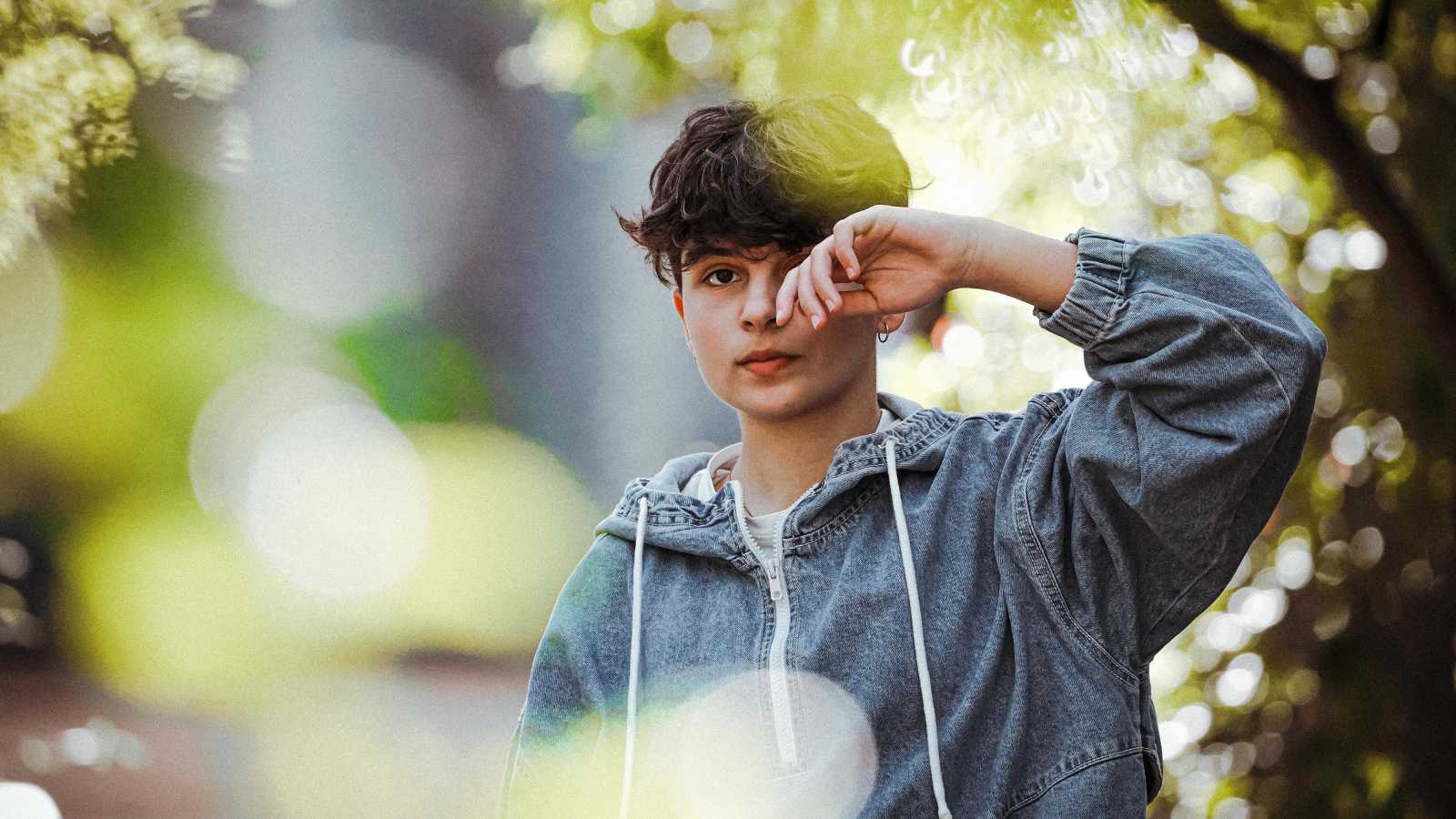
Ever scrolled through social media and stumbled into a weird corner of the internet? A place where guys talk about being “alpha” and feminism is the root of all evil? Yep, that’s probably the manosphere. A new study just dropped, and it looks like this online world is having a terrible effect on the mental health of teenage boys.
I’ve seen this content appear on my own feeds, and honestly, it’s a bit unsettling. It promises confidence and success, but it often just seems to peddle anger and outdated ideas. This study confirms what a lot of us have been thinking: this content isn’t just harmless talk. It’s actively hurting young guys. Let’s break down what the research found and why it matters. Learn more.





