

A rumor claiming Flock Safety surveillance cameras were packed with valuable metals should have sounded impossible. Instead, it briefly appeared in Google’s AI-generated search summaries with specific numbers that made the claim look like a technical fact.
According to reports from TechSpot, Google AI Overviews responded to searches about the cameras by stating that Flock devices contained 1 to 5 grams of gold and between 2 and 23 pounds of copper. The answer suggested the cameras could contain enough valuable material to make them worth targeting for scrap.
The claim quickly collapsed under basic scrutiny
A Flock camera weighs only around three pounds, making the suggestion that a single unit could contain up to 23 pounds of copper physically impossible.
The idea also ignored the reality of electronics recycling, where trace amounts of precious metals often require expensive industrial processes to recover.
The incident drew attention because the original claim did not come from an engineering report or hardware analysis. It appears to have grown from online discussions criticizing automated license plate reader systems, including satirical and AI-generated content that exaggerated the potential value of the devices.
Once the claim entered Google’s AI-generated summaries, however, it appeared as an organized answer from one of the world’s most trusted search platforms.
The rumor did not start with engineers or metal experts
The rumor spread during an already heated debate over Flock Safety cameras and automated license plate readers (ALPRs).
Flock systems are designed to capture vehicle images and information such as license plates, vehicle descriptions, location, and timestamps. Unlike traditional security cameras that continuously record video, ALPR systems capture specific vehicle events and upload the information to cloud platforms where authorized users can search records.
Flock says its systems use AES-256 cloud encryption, permission-based access controls, and audit logs. The company also states that customer data is deleted after 30 days by default unless it is preserved as evidence or retained under another legal requirement.
For critics already concerned about surveillance expansion, the idea that cameras could be destroyed and recovered for valuable metals spread easily online, even though the claim had no technical basis.
Google’s AI turned a joke into something that looked like evidence
Google AI Overviews are designed to summarize information from search results and provide users with quick answers. Instead of opening several websites, users receive a generated response that combines information from different sources.
That approach creates difficulties when online material contains satire, exaggeration, rumors, or poorly sourced claims.
In the Flock case, reports indicate that the AI system treated online discussions about valuable metals inside cameras as factual information rather than recognizing the claim as unsupported. The generated response included precise measurements, which gave the rumor a level of credibility it had not earned.
A 2026 analysis reported by PCMag examined Google AI Overviews and found that while many answers were accurate, some citations did not fully support the specific claims generated in the summaries. The findings highlighted a distinction between having sources attached to an answer and having sources that actually prove the answer.
That distinction becomes especially important when users rely on AI summaries for information involving safety, money, health, politics, or legal issues.
Related: 10 Things You Should Never Google Unless You Are Ready For What You Might Find
The real Flock debate is about surveillance, not scrap metal
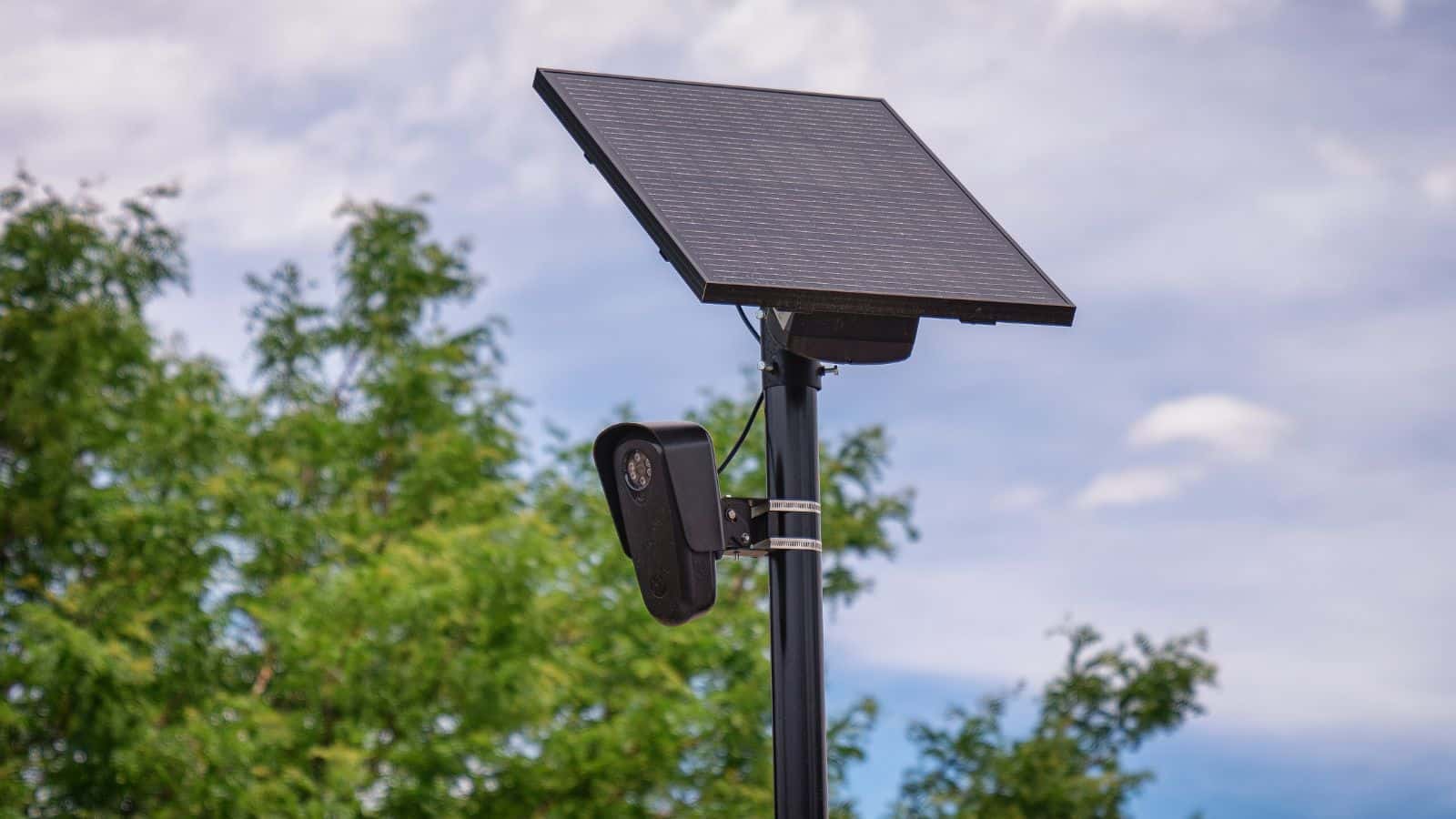
While the gold claim was false, the broader discussion surrounding Flock cameras involves legitimate questions about effectiveness and privacy.
A randomized evaluation in Vallejo, California, found that patrol vehicles equipped with ALPR technology had a 140% greater ability to detect stolen vehicles compared with comparison vehicles. The same evaluation also found accuracy problems, with 35% of mobile-reader hits and 37% of fixed-reader hits identified as misreads or unreliable matches.
ALPR systems can provide useful investigative leads, but an alert does not automatically indicate criminal activity.
Save this article
Police departments have reported positive results from Flock deployments. The Pasadena Police Department reported that Flock alerts were involved in 27 of 89 stolen-vehicle recoveries in 2025, representing more than 30% of recoveries and approximately $700,000 in recovered stolen property.
Those figures show how one department uses the system, but they are agency-reported results rather than an independent evaluation proving that Flock alone caused each recovery.
Flock has also cited customer survey data showing that 42% of 330 surveyed customers said the system helped recover at least half of stolen vehicles in their jurisdictions.
Why privacy advocates remain concerned
A single photograph of a license plate may reveal little. A network that records vehicle movements across many locations can create a searchable history of where vehicles appear over time.
A legal analysis from Indiana University’s McKinney School of Law cited an Indianapolis ALPR example involving 1,164,281 plate detections and 34,076 hits, meaning roughly 2.9% of detections generated a match.
Privacy advocates point to the remaining data because it represents people who were not connected to investigations but whose vehicle movements were still recorded.
The constitutional debate centers on whether large ALPR networks resemble the type of long-term tracking that concerned the Supreme Court in other digital surveillance cases.
In United States v. Jones (2012), the Supreme Court ruled that attaching a GPS tracker to a vehicle was a Fourth Amendment search. In Carpenter v. United States (2018), the court found that obtaining historical cellphone location records generally required a warrant because such information could reveal a detailed picture of a person’s movements.
Neither decision directly addressed ALPR systems, but privacy advocates argue that searchable camera networks raise similar concerns when individual observations become a broader record of someone’s activities.
Flock cameras have become targets across the country
The debate over surveillance has already led to a series of vandalism incidents involving Flock cameras.
In Dallas, police reported 25 intentional damage or removal incidents since March 2026. Authorities said some cameras were cut from poles, while seven recovered cameras resulted in approximately $2,450 in repair and replacement costs.
Irving, Texas, reported 10 incidents involving cameras that were damaged, removed, turned away from roads, or covered with substances.
The Guardian identified at least 33 apparent protest-related Flock camera incidents across 23 states, although that figure represents reported cases rather than a complete national count.
Authorities have treated the damage as property crimes, while activists have framed opposition to ALPR systems as part of a wider privacy movement.
AI search is changing how people judge information
The internet has always contained jokes, rumors, and exaggerated claims. AI search systems can now organize that material into responses that look polished and authoritative.
The challenge is ensuring that confidence does not replace verification.
Google has previously said it has introduced safeguards for AI Overviews, including reducing certain uses of low-quality content, improving detection of unusual queries, and allowing users to report inaccurate responses. However, the company has not publicly explained exactly why the Flock camera claim appeared or what specific technical changes followed.
As AI becomes more involved in everyday searches, the ability to question, verify, and trace information back to its source will become increasingly important.
How much trust do you place in AI-generated search summaries, and what steps do you take to verify information before accepting it as fact?
More Articles:





