

Blood pressure responds quickly to daily food choices, and bananas often come up in conversations about heart health. A single medium banana contains about 420 milligrams of potassium, a mineral that helps counterbalance sodium and supports healthy blood vessel function.
The American Heart Association states that diets higher in potassium are associated with better blood pressure control, especially when paired with lower sodium intake. This makes bananas an easy and accessible food to consider when looking at everyday habits that influence cardiovascular health.
Rather than acting as a standalone solution, bananas appear to work best as part of a broader pattern that supports heart health. Understanding how potassium-rich foods fit into daily eating habits can help explain why small, consistent choices may lead to meaningful improvements in blood pressure.
Potassium powers the body’s quiet pressure valve

A medium banana delivers roughly 400 to 450 milligrams of potassium. This provides about 12 to 17 percent of the daily recommended intake for adults, according to nutrient composition data from the United States Department of Agriculture FoodData Central.
That number sounds modest until you remember what potassium does inside the body. It helps the kidneys release excess sodium, lowering blood volume and easing the constant hydraulic push against artery walls.
The World Health Organization issued a guideline on potassium intake in 2012. It reviewed evidence from randomized trials and population studies. The guideline showed that higher potassium consumption is consistently associated with lower blood pressure in people with and without hypertension.
A small counterweight to a salty modern diet

Most adults consume far more sodium than recommended, a pattern the Global Burden of Disease project has linked to millions of cardiovascular deaths each year. Potassium does not erase that damage, but it softens it. High potassium intake promotes natriuresis, the physiological process by which the kidneys excrete sodium in urine, partially offsetting salt’s pressure-raising effects.
Modeling work published in the American Journal of Physiology – Renal Physiology examined the effects of dietary potassium on blood pressure. The research was conducted by investigators at the University of Southern California.
The findings showed that increasing dietary potassium could reduce blood pressure more effectively than modest sodium reductions alone. The implication is not that salt no longer matters, but that adding potassium-rich foods like bananas may shift the equation more than people expect.
Bananas and longevity in people with hypertension

In 2024, researchers analyzing adults with diagnosed high blood pressure reported lower all-cause mortality among frequent banana consumers. Those who ate bananas three to six times per week had a significantly lower risk than people who ate them less than once a month. The findings were published in Frontiers in Nutrition and were adjusted for age, smoking, cholesterol disorders, diabetes, and other chronic conditions.
The association strengthened when bananas were paired with apples. Participants who ate both fruits three to six times per week had about a 43 percent lower risk of death during the study period.
This was reflected in a hazard ratio of 0.57, with a 95 percent confidence interval of 0.39 to 0.84. For people with hypertension, a banana was not just a blood pressure snack. It functioned as part of a broader survival signal.
Evidence that singles out bananas specifically
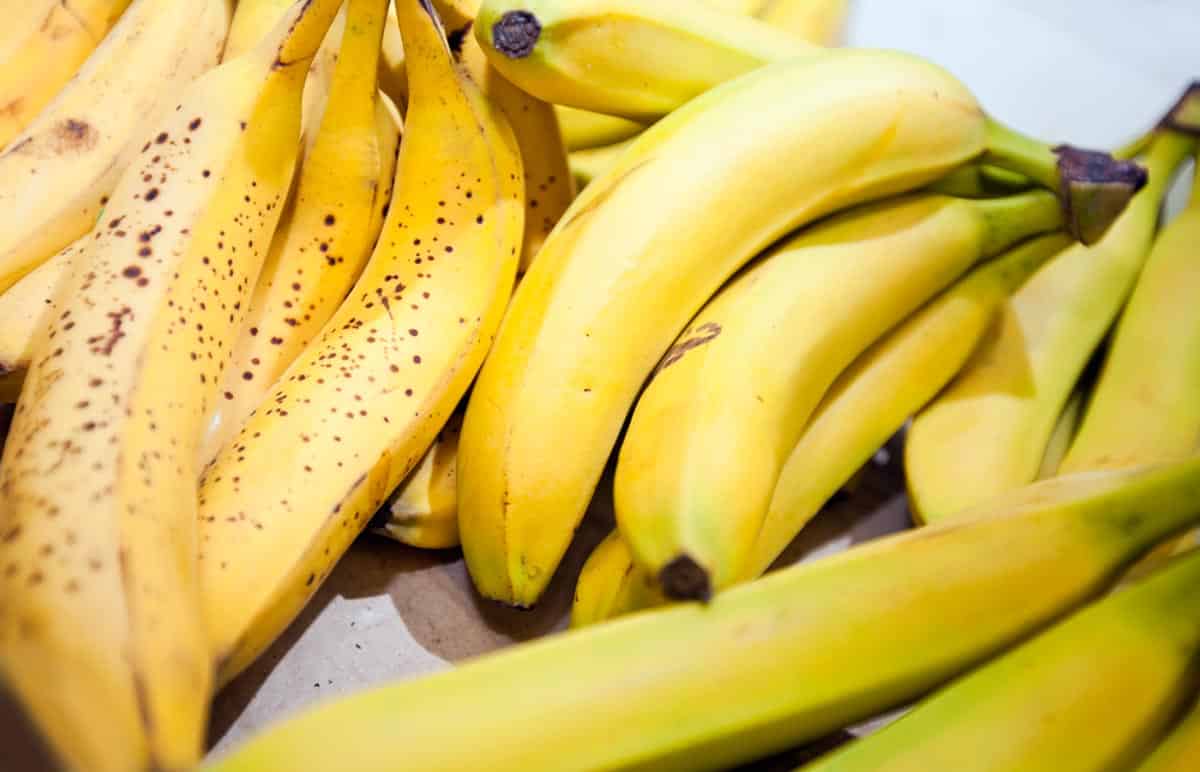
Bananas benefit from more than general fruit halo effects. A population-based study published in the Journal of Human Hypertension examined dietary patterns in East Asian adults. The researchers found that regular banana consumption was associated with lower systolic blood pressure. It was also linked to lower diastolic blood pressure, even after accounting for physical activity, body weight, and smoking.
Part of the explanation lies beyond potassium alone. Per 100 grams, bananas provide about 2.6 grams of fiber, along with magnesium and antioxidant compounds, according to the USDA.
Large cohort studies, including the Nurses’ Health Study reported in Hypertension, consistently show that higher overall fruit intake predicts lower risk of developing high blood pressure over time. A daily banana places you firmly in that protective category.
How one banana fits into a potassium day

The National Academies of Sciences, Engineering, and Medicine set adequate intake targets for potassium. These targets are roughly 3,400 milligrams per day for men and 2,600 milligrams per day for women. One medium banana contributes about one-seventh to one-eighth of that goal, depending on size and ripeness.
Seen this way, a banana is not a solution but a foundation. Add beans, leafy greens, potatoes, or squash, and potassium intake quickly approaches blood-pressure-friendly levels. The banana’s advantage is not dominance but reliability. It is an easy, stackable first step that lowers the barrier to meeting daily targets.
Save this article
What eating a banana every day actually does

Controlled feeding trials were summarized in a 2017 meta-analysis published in The American Journal of Clinical Nutrition. The analysis showed that high-potassium dietary patterns reduce systolic blood pressure by several millimeters of mercury. The effect was particularly evident in people with already elevated readings. These are not dramatic drops, but they are consistent.
At the population level, even a 3 to 5 mmHg reduction in systolic blood pressure is associated with meaningful declines in stroke and heart disease risk. This relationship is highlighted in estimates from the American Heart Association.
Experts emphasize that bananas work best inside a DASH-style eating pattern rich in fruits and vegetables. One banana turns the volume down a notch. Lower salt turns it down further.
The quiet downside for certain bodies

Potassium’s benefits have limits. People with chronic kidney disease or those taking medications such as ACE inhibitors or potassium-sparing diuretics may have trouble excreting excess potassium. In these cases, adding a daily banana can increase the risk of hyperkalemia.
Elevated blood potassium can trigger dangerous heart rhythm disturbances and muscle weakness, and in extreme situations, cardiac arrest. Nephrology guidance published in Clinical Journal of the American Society of Nephrology advises caution around potassium intake.
It states that patients with impaired kidney function should not increase potassium without medical supervision. For healthy kidneys, a banana is heart-friendly. For damaged ones, it can quietly tip the balance.
How bananas compare with other potassium heavyweights

A baked potato with skin delivers close to 900 milligrams of potassium, roughly double that of a banana, according to USDA data. White beans and spinach provide similar or higher amounts, while avocados combine potassium with heart-healthy fats.
Yet bananas win on a different metric. They require no cooking, no preparation, and no portion guesswork. In daily life, convenience shapes behavior. A food eaten consistently often matters more than one eaten occasionally, no matter how impressive its nutrient profile looks on paper.
Blood pressure is more than a cuff reading

Bananas bring soluble and insoluble fiber that support steadier blood sugar and healthier cholesterol levels, both relevant to vascular health. Chronic high blood pressure damages the inner lining of arteries, and antioxidant compounds found in fruits may help reduce some of that oxidative stress.
In the same 2024 Frontiers in Nutrition analysis, higher banana and apple intake in people with hypertension was linked not only to lower mortality but also to better overall cardiometabolic profiles. The benefit extended beyond numbers on a cuff to the systems that keep arteries resilient over decades.
Where experts tend to land

Most nutrition and cardiology experts view one banana per day as a safe and practical way for adults to increase potassium intake. Many recommend limiting intake to one or two bananas daily unless advised otherwise, to avoid unnecessary sugar or potassium overload.
The consensus framing is pattern-based. A daily banana, less sodium, more fruits and vegetables, regular movement, and medication when indicated. Bananas are not a cure. They are a quiet, repeatable vote in favor of lower pressure.
Key Takeaway
Eating a banana every day can modestly support healthier blood pressure for most people, largely because of its potassium, fiber, and low sodium content.
It is not a stand-alone cure, and for people with kidney disease or certain medications, daily bananas can pose real risks.
Disclaimer – This list is solely the author’s opinion based on research and publicly available information. It is not intended to be professional advice.
Like our content? Be sure to follow us





