Winter doesn’t just dry out your skin—it quietly dismantles its defenses, making hydration, barrier repair, and daily SPF more critical now than at any other time of year.
Every winter, skin seems to change personality overnight. The glow fades. Makeup stops sitting right. The products that felt perfect just months earlier suddenly feel like they evaporate the moment they touch your face. The culprit is not just cold weather. It is the combination of frigid outdoor air, indoor heating, wind, low humidity, and increased UV reflection from snow that quietly dismantles your skin barrier day after day. Even people who rarely think about skincare notice winter tightness, redness, flaking, breakouts, or sensitivity creeping in by January.
The truth is that winter skin is not simply dry skin. It is stressed skin. Barrier damage, dehydration, inflammation, and environmental exposure all happen at once. That means your routine needs to shift from light maintenance to protection and repair. Dermatologists consistently recommend focusing on hydration, ceramides, soothing ingredients, and daily SPF to keep skin resilient through the coldest months. The goal is not to use more products. The goal is to use smarter ones that support what your skin is naturally trying to do.
Beauty and Biology

What many people do not realize is that winter skin care is less about beauty and more about biology. Skin is an organ, and like every organ, it responds to environmental stress. Cold weather constricts blood vessels, reducing circulation to the skin’s surface. This means fewer nutrients and less oxygen reach the outer layers, which contributes to dullness and slower healing. Indoor heating compounds the problem by stripping moisture from the air, leaving skin in a constant state of dehydration.
This is why the same moisturizer that felt rich in summer suddenly feels insufficient in winter. Your skin is losing moisture faster than it can replace it. At the same time, harsh winds and temperature swings weaken the lipid barrier that normally protects against irritants and allergens. Once that barrier is compromised, skin becomes reactive. Redness appears more easily. Fine lines look deeper. Breakouts take longer to heal. Rosacea flare-ups become more frequent.
Below is a complete winter skincare guide built around premium Amazon favorites, along with clear advice for mature skin, acne-prone skin, and rosacea-prone skin so you can tailor the routine to your needs.
Why Winter Skin Needs a Different Routine
During winter, humidity levels drop dramatically both outdoors and indoors. When humidity is low, water evaporates from the skin faster, a process known as transepidermal water loss. At the same time, wind and temperature changes disrupt the lipid barrier that normally protects skin from dehydration and irritation.
Once the barrier weakens, everything becomes harder. Moisture escapes faster. Irritants penetrate more easily. Redness increases. Fine lines appear more pronounced. Breakouts can even worsen because stressed skin produces inflammation and sometimes more oil to compensate for dryness.
Your Skin Suffers Indoors and Outdoors
Another overlooked winter skin challenge is increased indoor time. Heating systems reduce air moisture significantly, often dropping humidity levels to desert-like conditions. This constant exposure to dry indoor air means skin rarely has a chance to recover. Even sleeping does not provide relief, which is why many people wake up with tight or flaky skin during colder months.
Winter routines need to do four things well. Hydrate deeply. Repair the skin barrier. Soothe inflammation. Protect from UV exposure. Each step in this guide is designed around those goals.
Hydrating Serums: The Water Layer
Hydration is the foundation of winter skincare. Moisturizer alone is not enough because creams seal moisture in, but they do not pull water into the skin. That is the role of humectants like hyaluronic acid and glycerin. These ingredients act like magnets for water, helping the skin retain hydration even in dry environments.
CeraVe Hydrating Hyaluronic Acid Serum is a winter staple because it combines hyaluronic acid with ceramides. This combination hydrates while reinforcing the barrier, which makes it suitable for nearly every skin type. The lightweight texture absorbs quickly and layers beautifully under richer creams.
For mature skin, Lancôme Rénergie H.P.N. 300 Peptide Cream, Paula’s Choice Pro‑Collagen Peptide Plumping Moisturizer or Skinfix Triple Lipid‑Peptide Cream add peptides. Peptides help support collagen and elasticity, which can appear diminished during winter when skin looks thinner and less plump. The extra hydration also helps soften the appearance of fine lines and gives skin a smoother, more radiant look.
A ceramide-rich serum can be particularly helpful when skin feels tight or flaky. Ceramides are lipids naturally found in the skin barrier. Replenishing them helps prevent moisture loss and strengthens resilience against cold air and indoor heating.
Health and Comfort
Hydration also plays an important role in maintaining skin comfort. When skin is properly hydrated, it becomes more flexible and less prone to cracking or irritation. This is especially important in winter when skin must withstand harsh environmental changes multiple times a day.
- Mature skin benefits from hydrating serums because they help plump the skin, making fine lines less visible and restoring a more luminous appearance. Mature skin often produces less natural oil, so hydration becomes essential for comfort and elasticity. Try Triple Lipid Peptide.
- Acne-prone skin benefits because dehydration can trigger breakouts when the skin produces more oil to compensate. Lightweight hydration keeps the skin balanced without clogging pores. Try Tatcha The Water Cream.
- Rosacea-prone skin benefits because hydration reduces inflammation and helps calm flare-ups. Gentle humectants hydrate without irritation. Try Clinique Redness Solutions Daily Relief Cream.
Barrier Repair Moisturizers: Your Winter Coat
If hydrating serums are the water layer, moisturizers are the protective coat. Winter creams should focus heavily on ceramides, fatty acids, and occlusive ingredients that prevent moisture loss. These ingredients form a protective layer on the skin’s surface, shielding it from environmental stressors.
- CeraVe Moisturizing Cream remains one of the most trusted barrier repair creams available. Its rich, fragrance-free formula is ideal for repairing winter dryness and protecting skin from environmental stress.
- Olay Regenerist Micro-Sculpting Cream is particularly appealing for mature skin because it includes niacinamide and peptides. Niacinamide helps improve tone and texture, while peptides support elasticity and firmness.
- For those who prefer a lighter feel, Kiehl’s Ultra Facial Oil‑Free Gel Cream is a great option for combination and acne-prone skin.
Barrier creams help restore elasticity and improve the appearance of fine lines for mature skin. Acne-prone skin benefits from a stronger barrier that reduces inflammation and improves tolerance of active ingredients. Rosacea-prone skin benefits because strengthening the barrier reduces redness and flare-ups.
Soothing and Redness Rescue
Winter often brings increased redness, irritation, and sensitivity. Wind exposure, temperature changes, and indoor heating all contribute to inflammation. Soothing treatments become essential for maintaining comfort and preventing long-term damage.
Save this article
- La Roche-Posay Cicaplast Baume B5 is a winter hero product and my personal choice year round. This repair balm helps soothe irritation, protect compromised skin, and restore comfort quickly. There is a reason it has over 5k glowing Amazon reviews.
- Redness-calming creams, like Augustinus Bader The Ultimate Soothing Cream and Avène Redness Expert Soothing Concentrated Cream, are formulated for sensitive skin can help reduce visible flushing and irritation throughout the colder months.
- For extreme dryness, occlusive balms like Vaseline or Aquaphor provide a protective seal that locks in moisture and shields exposed areas like cheeks and lips. I use them over my moisturizers while sleeping.
Winter SPF: Non-Negotiable

Many people assume sunscreen is unnecessary in winter, but snow reflects UV rays and increases exposure. Daily sunscreen is essential for preventing premature aging and hyperpigmentation.
Daily sunscreen helps prevent wrinkles, dark spots, and loss of elasticity for mature skin. Acne-prone skin benefits from reduced post-inflammatory pigmentation. Rosacea-prone skin benefits because sun exposure is a major trigger for flare-ups.
If you want dermatologist credibility, La Roche-Posay Anthelios sunscreens are a gold-standard choice. Lightweight, gentle, and designed for sensitive skin, they’re often recommended by dermatologists for daily wear.
Korean sunscreens, such as Beauty of Joseon Relief Sun SPF 50, have become a skincare phenomenon thanks to their lightweight textures and skin-loving ingredients. They feel more like a moisturizer than a traditional sunscreen, making daily SPF easier to stick with.”
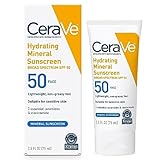
For skincare lovers who want sunscreen to double as moisturizer, dermatologist-style brands like Dermalogica Dynamic Skin Recovery SPF 50 and CeraVe Hydrating Mineral Sunscreen SPF 50 offer formulas that hydrate, protect, and support the skin barrier in one step.
Building Your Winter Routine by Skin Type
Mature skin routines should focus on hydration, barrier repair, and anti-aging support using a hydrating serum, peptide-rich moisturizer, and daily SPF in the morning, followed by hydration and rich barrier repair at night.
Acne-prone winter routines should use lightweight hydration, ceramide creams, and gentle daily sunscreen in the morning, followed by hydration and barrier repair at night.
Rosacea-prone winter routines should prioritize gentle hydration, soothing creams, and daily sunscreen in the morning, followed by hydration, barrier repair, and targeted soothing treatments at night.
The Takeaway
Winter skincare is not about adding endless products. It is about choosing formulas that hydrate, protect, soothe, and strengthen the skin barrier. With the right routine, skin can stay comfortable, resilient, and radiant even in the coldest months. By focusing on hydration, barrier repair, calming ingredients, and daily sunscreen, you can prevent the dryness, redness, and irritation that winter often brings and keep your skin feeling healthy until spring arrives.


Last update on 2026-07-13 / Affiliate links / Images from Amazon Product Advertising API

Last update on 2026-07-25 / Affiliate links / Images from Amazon Product Advertising API

Last update on 2026-07-25 / Affiliate links / Images from Amazon Product Advertising API

Last update on 2026-07-25 / Affiliate links / Images from Amazon Product Advertising API

Last update on 2026-07-25 / Affiliate links / Images from Amazon Product Advertising API

Last update on 2026-07-25 / Affiliate links / Images from Amazon Product Advertising API

Last update on 2026-07-25 / Affiliate links / Images from Amazon Product Advertising API

Last update on 2026-07-25 / Affiliate links / Images from Amazon Product Advertising API

Last update on 2026-07-25 / Affiliate links / Images from Amazon Product Advertising API

Last update on 2026-07-25 / Affiliate links / Images from Amazon Product Advertising API

Last update on 2026-07-25 / Affiliate links / Images from Amazon Product Advertising API

Last update on 2026-07-25 / Affiliate links / Images from Amazon Product Advertising API

Last update on 2026-07-25 / Affiliate links / Images from Amazon Product Advertising API

Last update on 2026-07-26 / Affiliate links / Images from Amazon Product Advertising API

Last update on 2026-07-25 / Affiliate links / Images from Amazon Product Advertising API
Last update on 2026-07-25 / Affiliate links / Images from Amazon Product Advertising API