The line between psychopath and sociopath isn’t Hollywood fiction; it’s a critical distinction with real-world consequences.
Most of us use the terms “psychopath” and “sociopath” interchangeably to describe the villain in a movie or a particularly difficult ex. However, in the world of psychology, these are distinct terms under the umbrella of Antisocial Personality Disorder (ASPD).
According to the Cleveland Clinic, while both conditions share traits such as a lack of empathy, their origins and behaviors differ significantly, affecting how they navigate the world and their relationships.
Understanding these distinctions is not just for criminologists; it is a crucial skill for protecting your own mental health and safety. Knowing what to look for can help you spot the red flags before you get entangled in their web.
Reaction To Authority

Psychopaths can be surprisingly good at navigating hierarchies and dealing with authority when it suits them. They know how to play the “good citizen” role to avoid suspicion or gain power within a system.
Sociopaths openly resent authority and often struggle to follow rules of any kind. They are the ones getting into shouting matches with police officers or getting fired for insubordination. Their inability to submit to social structures makes it hard for them to live within the law.
The Genetic Versus Environmental Roots

The most cited difference is the “nature versus nurture” debate. Psychopathy is generally considered to be largely genetic, a result of physiological defects in the brain that stunt the development of empathy and emotion.
It is a biological wiring issue that makes them unable to feel compassion or guilt, regardless of how they were raised.
Sociopathy, on the other hand, is often the result of environmental factors like childhood trauma or abuse. It is a learned behavior, a survival mechanism gone wrong, rather than a genetic inevitability.
Their Ability To Form Attachments

Psychopaths are incapable of forming emotional bonds with anyone, viewing people solely as resources to be used. They might get married or have children, but these are often strategic moves to appear normal or gain status. Their relationships are shallow, transactional, and devoid of genuine love.
Sociopaths, however, can form deep attachments to a specific individual or group, like a fellow gang member or a parent. They might have no regard for society at large, but will be loyal to their inner circle. They might treat a stranger terribly but dote on their pet or partner with surprising intensity.
The Nature Of Their Crimes

When a psychopath commits a crime, it is calm, calculated, and meticulously planned down to the last detail. They have likely assessed every risk and created a contingency plan to avoid getting caught. This premeditation makes them dangerous because they treat breaking the law like a budgeting spreadsheet to be balanced.
Sociopaths tend to act on impulse, leaving a messy trail of evidence behind them. Their crimes are often spontaneous acts of rage or opportunity, lacking the foresight of their psychopathic counterparts.
Consistency In Behavior

Psychopaths are controlled and consistent, maintaining their facade even under immense pressure. They do not crack easily because they do not feel the stress or anxiety that would give a normal person away. They can lie to your face about stealing money without their heart rate jumping a single beat.
Sociopaths are volatile and prone to mood swings that make their behavior hard to predict. One minute, they might be calm, and the next, they are screaming over a minor traffic inconvenience with their car. This instability makes it hard for them to maintain a consistent “cover” story.
The Stability Of Their Career Paths

Psychopaths are often highly functional and can maintain a successful career for decades without raising suspicion. They are the CEOs and lawyers who thrive in cutthroat environments because they lack the emotional baggage that slows others down. A 2021 study by Fortune found that 12% of corporate senior leaders display psychopathic traits.
Sociopaths struggle to keep a job due to their impulsivity and inability to work well with others. Their erratic behavior and agitation often lead to conflicts with coworkers or attendance issues.
How They Handle Social Interactions

A psychopath can be incredibly charming, disarming you with a smile that feels genuine but is entirely calculated. They are mimics who have learned to simulate human emotions to get what they want, often becoming the life of the party.
In contrast, a sociopath often makes it clear that they do not care about social norms or politeness. They are prone to public outbursts and may make others uncomfortable. Their inability to wear a “mask” of sanity makes them much easier to spot in a crowd.
Patience And Planning

Save this article
A psychopath has the patience of a predator, willing to wait months or years for their plan to come to fruition. They view life as a long game and are willing to delay gratification for a bigger payout later. This allows them to execute complex schemes in business or personal life without rushing.
Sociopaths demand instant gratification and struggle with any form of long-term planning. They want what they want, right now. This lack of foresight is why they often struggle with management and find themselves in preventable trouble.
Understanding Fear Responses

Research by PMC shows that psychopaths have a reduced physiological response to fear and anxiety-inducing stimuli. Their amygdala, the part of the brain that processes fear, does not light up as much as a neurotypical brain does. This allows them to take dangerous risks without breaking a sweat.
Sociopaths still feel fear and anxiety, often intensely, which can drive their erratic behavior. They might lash out because they feel threatened or cornered, rather than out of an astonishing lack of concern. Their actions are often a defensive response to a world they perceive as hostile.
The Empathy Gap

For a psychopath, empathy is an alien concept; they cannot understand or feel what others are feeling. They can intellectually know that you are sad, but they feel no emotional resonance with your pain. It is like a colorblind person knowing the sky is blue because they were told, not because they see it.
Sociopaths have a limited capacity for empathy, but it is weak and can be switched off easily. They might feel bad for hurting someone they care about, but feel absolutely nothing for a stranger. Their moral compass is fractured and inconsistent rather than completely absent.
Manipulative Tendencies

Psychopaths are master manipulators who view every interaction as a game to be won. They will gaslight, lie, and charm their way into your life to extract whatever value you offer.
Sociopaths are less skilled at manipulation because they lack the patience and control to maintain the charade. Their attempts at manipulation are often clumsy, aggressive, or transparent threats. They rely on intimidation and force rather than the subtle art of psychological influence.
Risk Assessment Skills
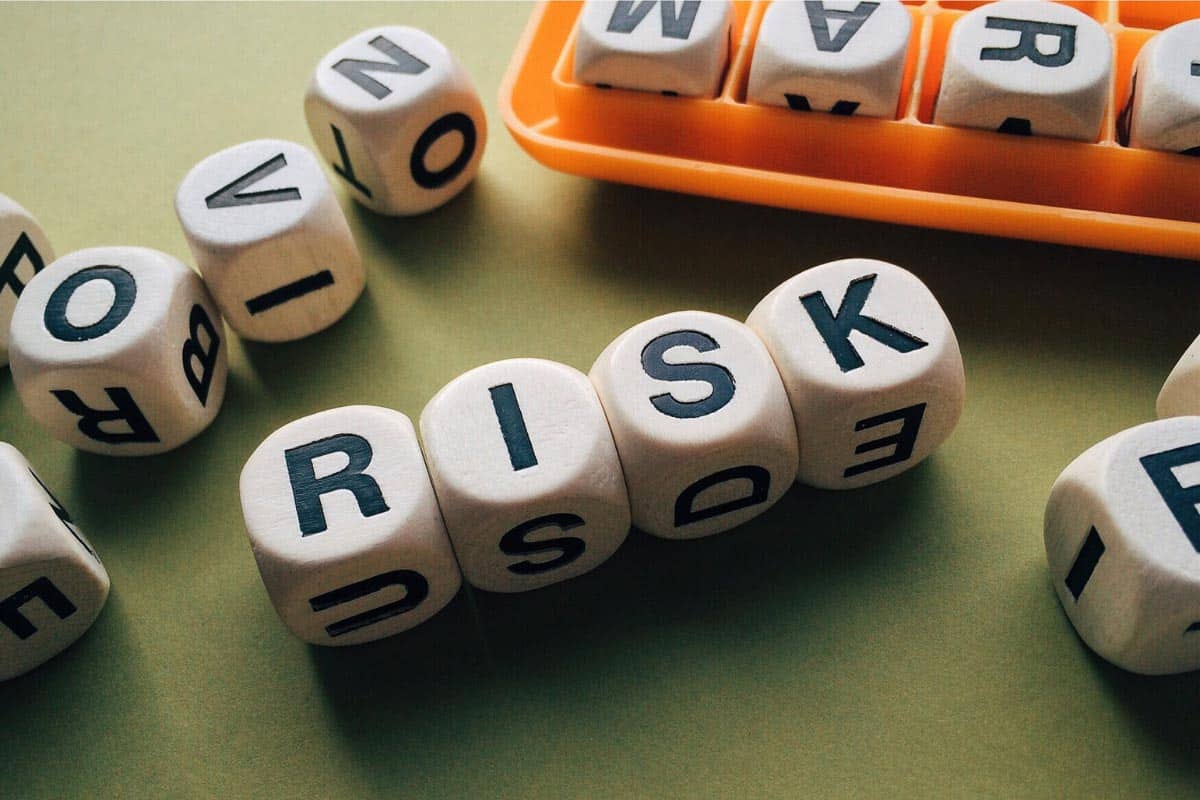
Psychopaths often fail to learn from negative consequences because punishment does not register emotionally for them. A study found that psychopaths have impaired learning from punishment, leading to high recidivism rates. They will repeat the same risky behavior because they are convinced they will outsmart the system this time.
Sociopaths might understand the risk but do it anyway because they cannot stop themselves in the moment. They know driving their car too fast is dangerous, but the impulse to speed overrides their logic. Their risk-taking is emotional and reactive rather than calculated.
Key Takeaway

Recognizing these differences is vital because while a sociopath might disrupt your life with chaos, a psychopath can dismantle it with precision. Understanding that always trusting your gut instinct around these behaviors is the best defense against their manipulation.
Disclaimer: This list is solely the author’s opinion based on research and publicly available information. It is not intended to be professional advice.
Disclosure: This article was developed with the assistance of AI and was subsequently reviewed, revised, and approved by our editorial team.
20 Odd American Traditions That Confuse the Rest of the World
20 Odd American Traditions That Confuse the Rest of the World
It’s no surprise that cultures worldwide have their own unique customs and traditions, but some of America’s most beloved habits can seem downright strange to outsiders.
Many American traditions may seem odd or even bizarre to people from other countries. Here are twenty of the strangest American traditions that confuse the rest of the world.
14 Things That Label You as ‘Uneducated’ on Social Media

14 Things That Label You as ‘Uneducated’ on Social Media
Welcome to the digital world, a place as intriguing as treacherous, where your online persona can instantly charm or alarm others. In this realm, your social media presence is your calling card, a digital mirror reflecting your thoughts, beliefs, and, perhaps, inadvertently, your level of education. Yet, fear not! This guide is here to help you navigate the vast ocean of social media with grace and wisdom.