Psychologists say moral character is most clearly revealed in moments of quiet discomfort, when no recognition or reward is at stake.
We often wonder if we are good people or just following the rules because we have to in order to fit in. A strong moral compass is not just about big heroic acts but about how you feel in small, quiet moments.
If your stomach turns when you see something wrong, it means your values are working overtime to keep you aligned with what is right.
These unsettling feelings are actually a sign of high empathy and a deep desire for justice in our daily lives. While others might look away or shrug it off, you feel a physical need to make things right. Here are the specific situations that reveal the strength of your character and the depth of your conscience.
Seeing Undeserved Credit Taken

There is a special kind of stinging frustration that hits you when someone claims accolades for work they did not do. It violates your internal sense of fairness and makes you want to stand up for the silent contributor who was erased.
Research indicates that credit theft is a top productivity killer and instantly destroys trust within professional teams. When you see this happen, you are not just annoyed; you are witnessing a theft of effort and identity. Your desire to set the record straight is a sign of integrity.
Observing Wasteful Behavior

Watching someone throw away a perfectly good meal or leave the lights on in an empty building grates on your nerves. You understand that resources are finite, and wasting food feels like a slap in the face to those who have nothing. It violates the stewardship principle that guides your choices.
This reaction shows you care about the collective good rather than just your own convenience. The World Food Programme notes that one-third of food produced for human consumption is lost or wasted globally. To you, waste is not just a habit; it is a moral failing.
Hearing Subtle Prejudice

Jokes that rely on stereotypes or comments that demean a specific group do not fly over your head or get a polite laugh. You notice the exclusion immediately and feel a deep discomfort that prevents you from staying silent in that moment.
A Pew Research Center study shows that 65 percent of Americans say it has become more common for people to express racist or insensitive views. Your unsettled feeling is your conscience telling you that silence is acceptance. You speak up because you believe in equality for all.
Watching Animals Being Mistreated

Seeing a dog left in a hot vehicle or a cat being shooed away aggressively triggers a protective rage deep inside you. Your morals extend to all living beings, and you believe that a vulnerable pet deserves protection rather than indifference.
Cruelty to the helpless is the ultimate sign of a weak character in your eyes. You recognize that how we treat the voiceless defines our humanity. Your empathy does not stop at your own species.
Noticing Someone Left Out

You are the person who notices the one individual standing alone at the party while everyone else is in a circle. It hurts your heart to see someone excluded because you understand the deep human need for belonging and connection. You will often go out of your way to bridge the gap and bring them in.
Expert psychologist Dr. Brene Brown famously states that “we are hardwired to connect,” which is why exclusion feels like physical pain. You cannot enjoy yourself knowing that someone else is feeling invisible nearby. Your inclusive nature is a moral strength.
Seeing Dishonesty in Business
Save this article
When a cashier gives back too much money or a company hides fees in the fine print, you refuse to let it slide. You value integrity over a quick profit and believe that honesty is the only foundation for a stable society.
A study published in ScienceDirect found that power often reduces moral awareness among leaders. You resist this trend by holding yourself accountable even when no one is watching. To you, a clean conscience is worth more than a few dollars.
Witnessing the Bystander Effect
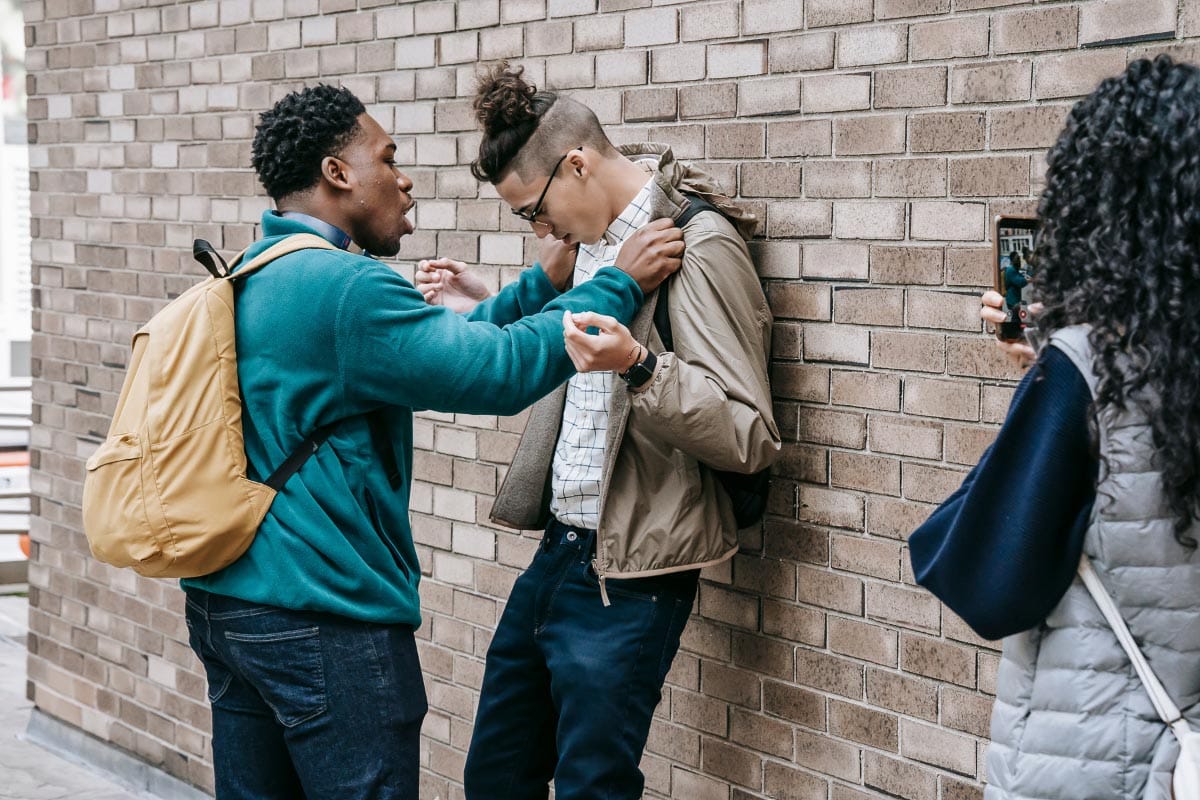
Seeing a group of people ignore someone in need because they assume someone else will help unsettles you deeply. You are the type of person who breaks the trance and steps forward because you cannot bear the thought of apathy.
Research shows that the presence of other people reduces the likelihood of helping by nearly 40% in emergency situations. You refuse to be part of that statistic because your empathy overrides your social fear. You act because you must.
Observing Littering Or Pollution

Watching someone toss a plastic bottle on the beach or out a window feels like a personal attack on the planet. You feel a sense of stewardship for the earth and cannot comprehend the laziness that leads to such destruction.
Keep America Beautiful reports that there are nearly 50 billion pieces of litter on the ground in the United States alone. Your anger at litter is actually a love for the environment and the community. You pick it up because you care.
Hearing Gossip or Rumors

When the conversation turns to tearing someone down behind their back, you instantly look for the nearest exit. You know that words have power, and participating in the destruction of a reputation feels dirty and wrong to you.
You prefer to speak about ideas rather than other people’s misfortunes. You choose to opt out of this cycle because you value loyalty and kindness. You protect names even when the person is not in the room.
Key Takeaway

If you felt a nod of recognition reading these points, know that your sensitivity is a superpower, not a weakness. It is easy to become cynical in a harsh world, but holding onto your values is what makes you a light in the dark. Your unsettled feelings are simply the compass that keeps you heading true north.
Disclaimer – This list is solely the author’s opinion based on research and publicly available information. It is not intended to be professional advice.
Disclosure: This article was developed with the assistance of AI and was subsequently reviewed, revised, and approved by our editorial team.
Like our content? Be sure to follow us.
How Total Beginners Are Building Wealth Fast in 2025—No Experience Needed

How Total Beginners Are Building Wealth Fast in 2025
I used to think investing was something you did after you were already rich. Like, you needed $10,000 in a suit pocket and a guy named Chad at some fancy firm who knew how to “diversify your portfolio.” Meanwhile, I was just trying to figure out how to stretch $43 to payday.
But a lot has changed. And fast. In 2025, building wealth doesn’t require a finance degree—or even a lot of money. The tools are simpler. The entry points are lower. And believe it or not, total beginners are stacking wins just by starting small and staying consistent.
Click here, and let’s break it down.