

Beneath the cheerful “pop” and endless offers of cookies of the Midwest lies a delicate social code built entirely on politeness and patience.
Growing up surrounded by cornfields and casseroles teaches a person a very specific way to communicate. People from this region possess a charming dialect that leaves outsiders scratching their heads in pure confusion. You might think you are speaking plain English, but outsiders often need a translator to grasp the hidden meanings. This friendly banter masks a deep desire to avoid offending anyone at all costs.
Regional slang acts as a secret code for anyone raised near the Great Lakes or the open plains. Coastal folks might stare blankly when you drop a casual regionalism into an otherwise normal chat. Learning to decode these polite deflections takes years of practice and a lot of patience. Prepare to laugh as we break down these hilariously polite communication quirks.
The Famous Midwest Goodbye

Trying to leave a party here is an endurance sport that can easily last over an hour. You start the process by slapping your knees and loudly declaring it is time to hit the road. The Hollander says the traditional farewell in this region can take up to forty-five minutes to complete.
Nobody actually wants to leave right away because that feels incredibly rude to the hosting family. You must linger in the hallway, slowly move to the driveway, and finally chat by the car window. Refusing a plate of leftover food during this exit phase is basically considered a cultural crime.
Saying Ope When Bumping into Things

This tiny three-letter exclamation slips out automatically whenever a minor inconvenience occurs in public. You could accidentally bump into a lifeless store mannequin and still mutter it defensively. It serves as a universal verbal apology for any awkward physical interaction.
The word functions perfectly as a polite deflection without having to admit actual fault. It translates loosely to a friendly combination of excuse me and my bad. Outsiders usually think you just dropped your keys or stubbed your toe on a shopping cart.
Offering Food Three Separate Times
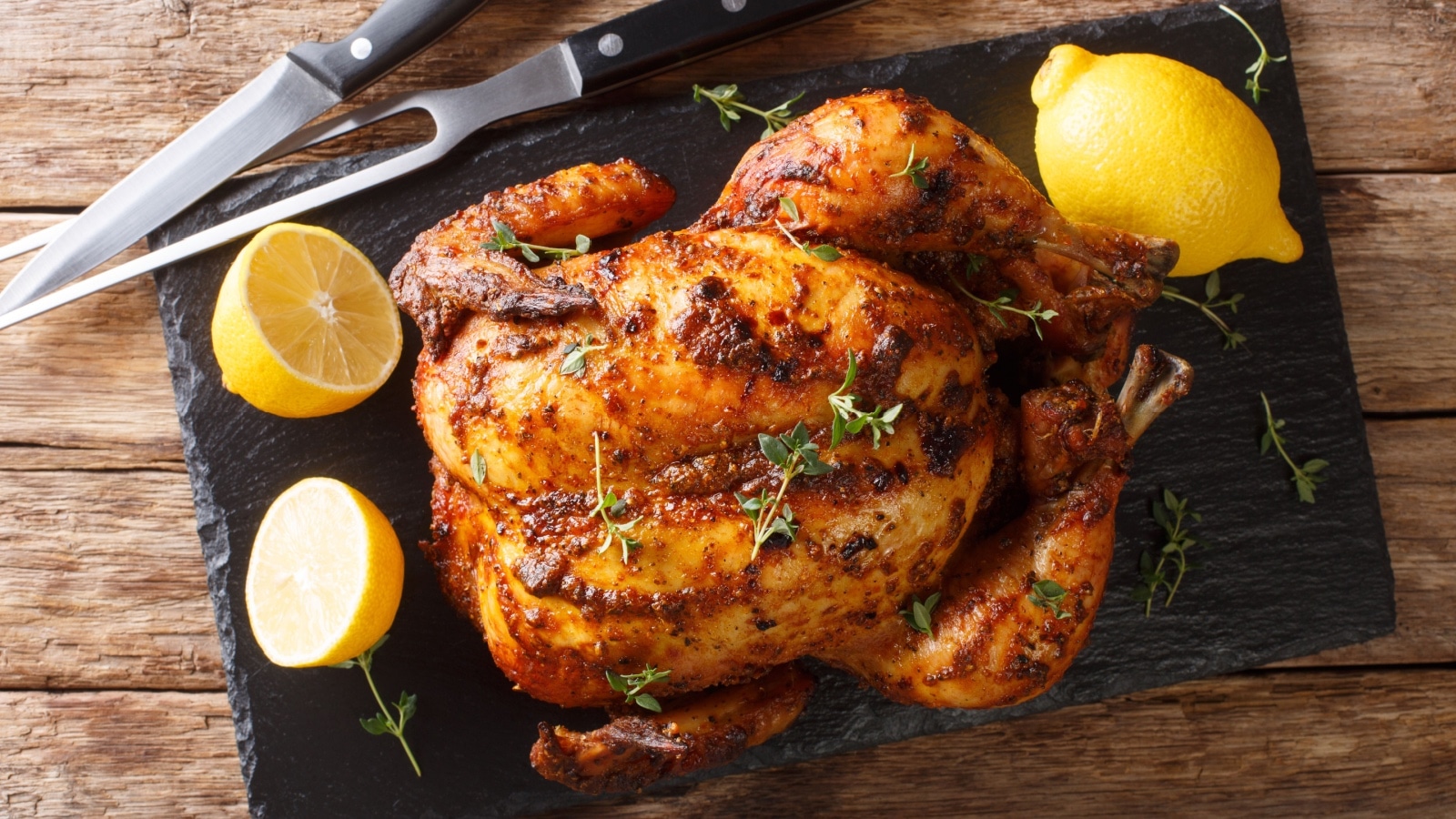
A polite host cannot simply accept a guest saying no to a fresh plate of cookies. The first refusal is always treated as a polite reflex rather than an actual dietary boundary. You have to offer the snack at least three times before giving up entirely.
Guests are secretly waiting for that third offer to finally accept the treat without feeling guilty. This playful standoff is an absolute staple of family gatherings and community church potlucks. The custom forces everyone to participate in a friendly little game of culinary chicken.
Calling Every Sweet Carbonated Beverage Pop
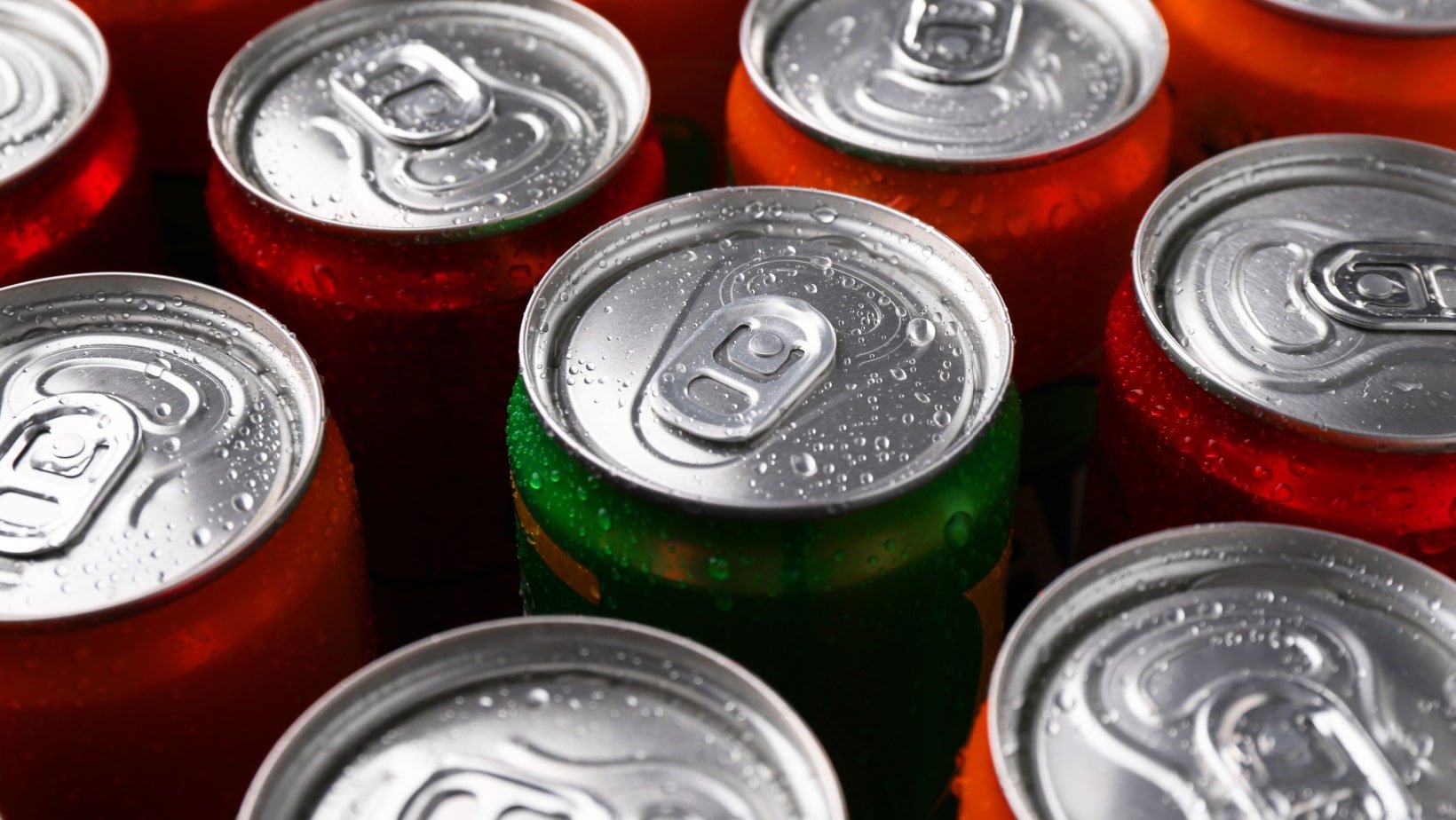
Asking a waiter for a soda will instantly expose you as a tourist in these parts. The correct terminology is always pop, regardless of the brand or flavor you actually want to drink. According to a YouGov poll regarding carbonated beverages, 13% of the country strictly prefer the term pop over soda.
The origin of the word relates directly to the sound a glass bottle makes when it opens. Locals simply cannot bring themselves to use any other word for a bubbly, sugary drink. Ordering a Coke might get you an actual Coca-Cola, but asking for pop covers all your bases.
Giving Directions Based on Landmarks

Nobody uses actual street names or compass directions to tell you how to get somewhere. You will be instructed to turn left at the old gas station that closed down ten years ago. Following these instructions requires a deep historical knowledge of the local community.
This spatial awareness relies heavily on old barns, funny-looking trees, and brightly colored houses. A true local knows exactly what you mean when you say to go past the big red silo. GPS apps are practically useless when your uncle is guiding you to his favourite secret fishing spot.
Using Yeah No and No Yeah

Save this article
These contradictory phrases make perfect sense to anyone raised near a sprawling corn maze. Saying yeah, no is a firm negative, while no, yeah means you completely agree with the person speaking. It is a linguistic gymnastics routine that confuses anyone casually listening to the conversation.
You are essentially acknowledging the question before providing your actual honest answer. Adding a third word creates the legendary yeah, no, for sure, which signals absolute, unwavering agreement. We use this complex system to keep interactions smooth and avoid sounding too blunt or aggressive.
The Apologetic Excuse Me Pass

You cannot simply walk behind someone in a crowded room without narrating your exact physical movements. Locals will announce their presence by saying they are just going to sneak right past you. While a Yahoo report shows that politeness is increasingly declining, midwestern citizens actively go out of their way to practice this kind of polite public etiquette.
Brushing shoulders without apologizing feels like a massive violation of personal space and basic human decency. You must verbally shrink yourself down to avoid causing any perceived offense to a stranger. The word sneak implies a quiet exit, but the loud announcement makes it a highly public event.
Responding to How Are You with Not Too Bad

Showing excessive excitement or joy feels like bragging, which is heavily frowned upon around here. When someone asks about your day, the absolute best response is a mild, understated shrug. Saying you are doing just fine is the standard baseline for comfortable emotional expression.
Nobody wants to burden a friendly stranger with an overly enthusiastic or depressing life update. If you just won the lottery, you might slightly upgrade your response to pretty good. This humble approach to small talk keeps conversations grounded and delightfully unremarkable.
Treating the Weather as a Serious Conversation Starter

Discussing humidity levels is not just filler talk; it is a highly respected form of bonding. You must loudly comment on the wind chill factor before moving to any other conversational topic. A comprehensive YouGov survey recently confirmed that 69% of Americans talk about the weather multiple times a day to a few times a week.
We feel a collective sense of pride about surviving terrible snowstorms and severe tornado warnings. Commiserating about the miserable summer heat index unites neighbors who have absolutely nothing else in common. You can easily talk to a stranger for twenty minutes using only basic observations about the clouds.
Bringing a Dish to Pass at Every Event

Arriving empty-handed at a casual gathering is a social mistake that will never be forgotten. You are expected to bring a homemade side dish, ideally something involving melted cheese and potatoes. Some modern hosts may prefer organizing potluck meals rather than cooking everything themselves.
Hosts will always insist you did not have to bring anything, but they are absolutely lying. Your warm contribution shows deep respect for the effort the host put into organizing the party. Sharing a hearty meal is our favorite way to show affection without actually having to talk about our feelings.
The Compulsive Need to Wave at Drivers

Steering wheels are not just for turning the car; they are interactive platforms for neighborhood diplomacy. Lifting two fingers off the wheel to greet an oncoming driver is an unwritten traffic law. A recent European Commission report says a survey shows that greeting people is linked to better well-being.
It does not matter if you have never seen the passing driver in your entire life. Country roads require a much more enthusiastic full-hand wave to properly acknowledge an approaching pickup truck. This fleeting gesture proves that basic manners are still very much alive on the open road.
Disclaimer: This list is solely the author’s opinion based on research and publicly available information. It is not intended to be professional advice.
Like our content? Be sure to follow us





