

I am starting to notice a quiet shift in my own family, one that is easy to miss until it becomes impossible to ignore. The connection between grandparents and grandchildren does not disappear overnight, but it can fade when habits, communication styles, and expectations stop evolving.
The National Library of Medicine reports that closeness between grandparents and grandchildren is not fixed. It can change over time based on how families interact and stay connected.
Watching this unfold in real time has made me think ahead to my own future and the kind of presence I want to have in my children’s lives. Relevance is not about age but about effort, curiosity, and the willingness to stay engaged with a changing world. The small choices made over time, from how often you listen to how open you remain to new ideas, shape whether those bonds stay strong or slowly drift apart.
I’ll fight to stay physically close

Relevance starts with proximity. Demographic Research reports that in the United States, almost half of households with grandchildren live within 10 miles of a grandparent, and 13 percent live within 1 mile. Those close households exchange far more hours of help and time.
Yet a 2019 AARP survey found that over half of grandparents have at least one grandchild more than 200 miles away. A third live at least 50 miles from their nearest grandchild. Watching that distance grow, the plan becomes simple. Choose housing, not just for views or weather, but for how quickly future grandkids can knock on the door.
I’ll treat tech as a language, not a threat

The grandkids’ world lives on screens. Staying relevant means learning that dialect. A 2023 report from Lurie Children’s Hospital of Chicago found that 82 percent of millennial parents work, and four in five say they prioritize their children over careers. Social media sets unrealistic expectations for them too: 85 percent say it pressures parents.
Boomer grandparents who embraced video calls and social media during the pandemic bridged gaps that geography opened. Many now maintain relationships through group chats, shared memes, and online games.
At their age, the goal will be the same. Not policing the apps from the couch, but asking a grandchild to teach how they work and meeting them where they already live.
I’ll respect Millennial and Gen‑Z parenting rules

Conflict often arises where two eras collide. Today’s Parent, summarizing the Lurie Children’s Hospital study, notes that three in four millennial parents identify with “gentle parenting” and 73 percent think their style is better than past generations. They emphasize validation, mental health, and emotional literacy.
Boomer parents often raised kids with more authoritarian or “tough love” approaches, leaning on rules and consequences. Many still see those methods as proof of seriousness. To stay invited in, the plan at their age is to treat house rules as law. No secret sugar. No undermining bedtimes.
Relevance will come not from “knowing better,” but from being the elder who actually supports the parents in charge.
I’ll offer help without entitlement

A 2023 Harris Poll found that 42 percent of working parents rely on grandparents for childcare, especially grandmothers. 41% say they turn to grandma when last-minute gaps arise. Many boomer grandparents are still working or delaying retirement, which complicates this support.
At the same time, a BuzzFeed roundup of millennial complaints paints a different picture: some boomers enjoyed heavy help from their own parents, yet now insist “we don’t owe you anything” to their adult children. That stance breeds quiet resentment. In the next generation, the plan is different: say yes when energy allows, honestly say no when it does not, and never treat grandchild access as a reward for gratitude.
I’ll guard emotional curiosity, not just tell stories

Many boomers see grandparenting as a chance to “share wisdom.” A New Zealand commentary on boomer grandparents notes that they enjoy telling stories and passing down lessons.
They also often stay active in the workforce and juggle their own schedules. The risk is that visits become lectures instead of conversations.
The Harvard Study of Adult Development, which tracks people over eight decades, finds that what predicts lifelong happiness is the quality of close relationships, not the quantity of advice delivered. At their age, the plan will be to ask more than tell.
To remember favorite games, crushes, fears, and pronouns. To stay curious about who each grandchild is becoming rather than fitting them into a story written in 1975.
I’ll refuse to mock the new world
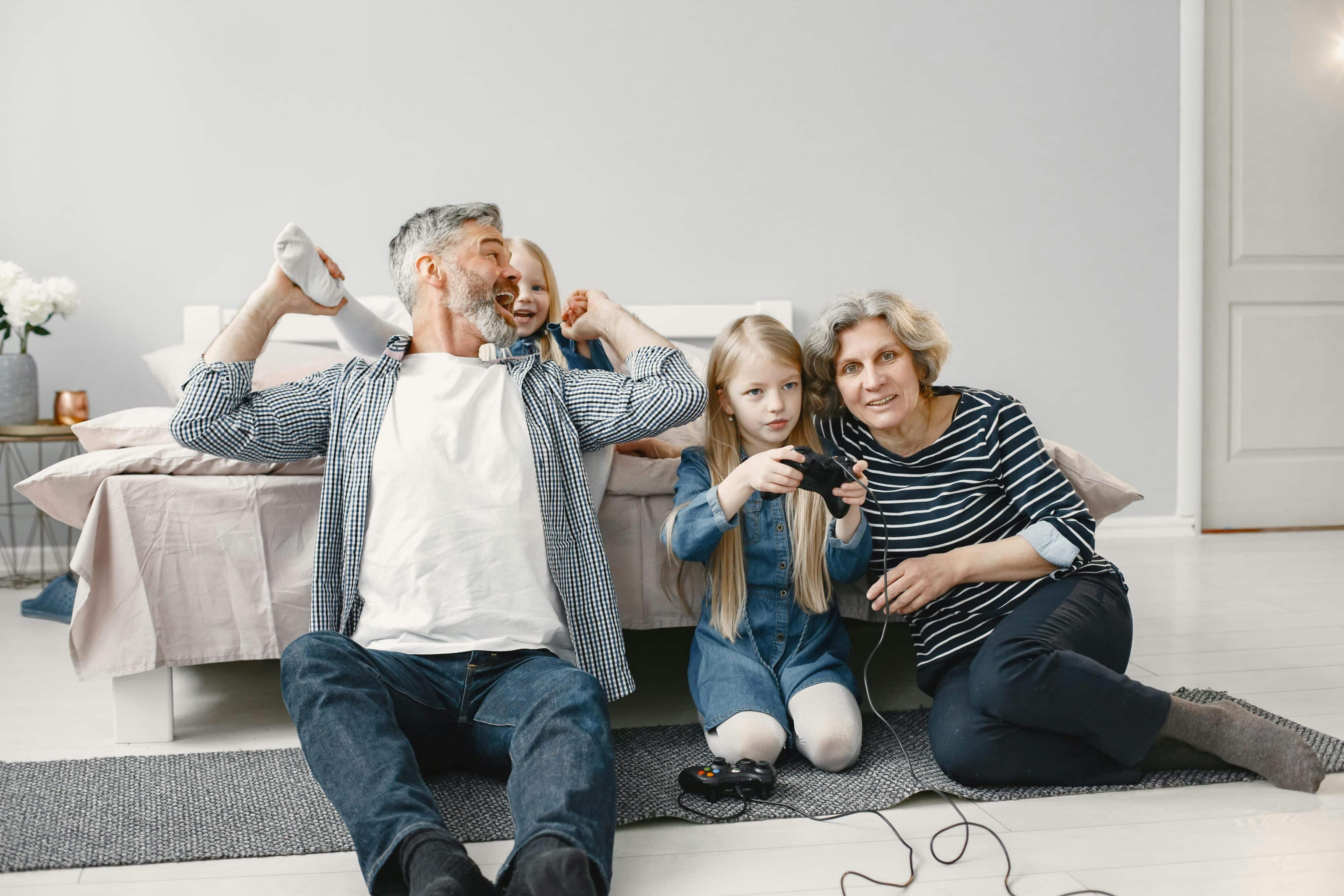
Generational commentary is full of eye rolls at “kids these days.” Yet surveys of young adults repeatedly show strong emotional bonds to grandparents when there is mutual respect, even in multigenerational households.
Distance does not have to mean detachment. Contempt does.
Articles on millennial and boomer parenting styles point out how much has changed: mental health awareness, gender norms, and digital life. To stay relevant, the older self will need to retire certain scripts.
No jokes about “soft” kids. No sneers at pronouns or therapy. The bridge will not be built from nostalgia alone, but from treating their world as real and worthy, even when it feels unfamiliar.
I’ll keep one foot in their culture

Save this article
Relevance is shaped by shared references. Millennials raise kids in an always‑on media environment, balancing screens, games, and social feeds.
Boomer era childhoods unfolded with fewer distractions and slower feedback loops. That difference can make grandparents feel like visitors from another planet.
At sixty and beyond, the aim will be to know at least a few names from their universe: a favorite YouTuber, a game, a song. Not to imitate adolescence, but to show interest.
When a grandparent can say, “How did that new update change your game,” rather than “I hate that thing,” they become part of the conversation. That small effort tells a child their inner world matters across generations.
I’ll stay useful in real, everyday ways
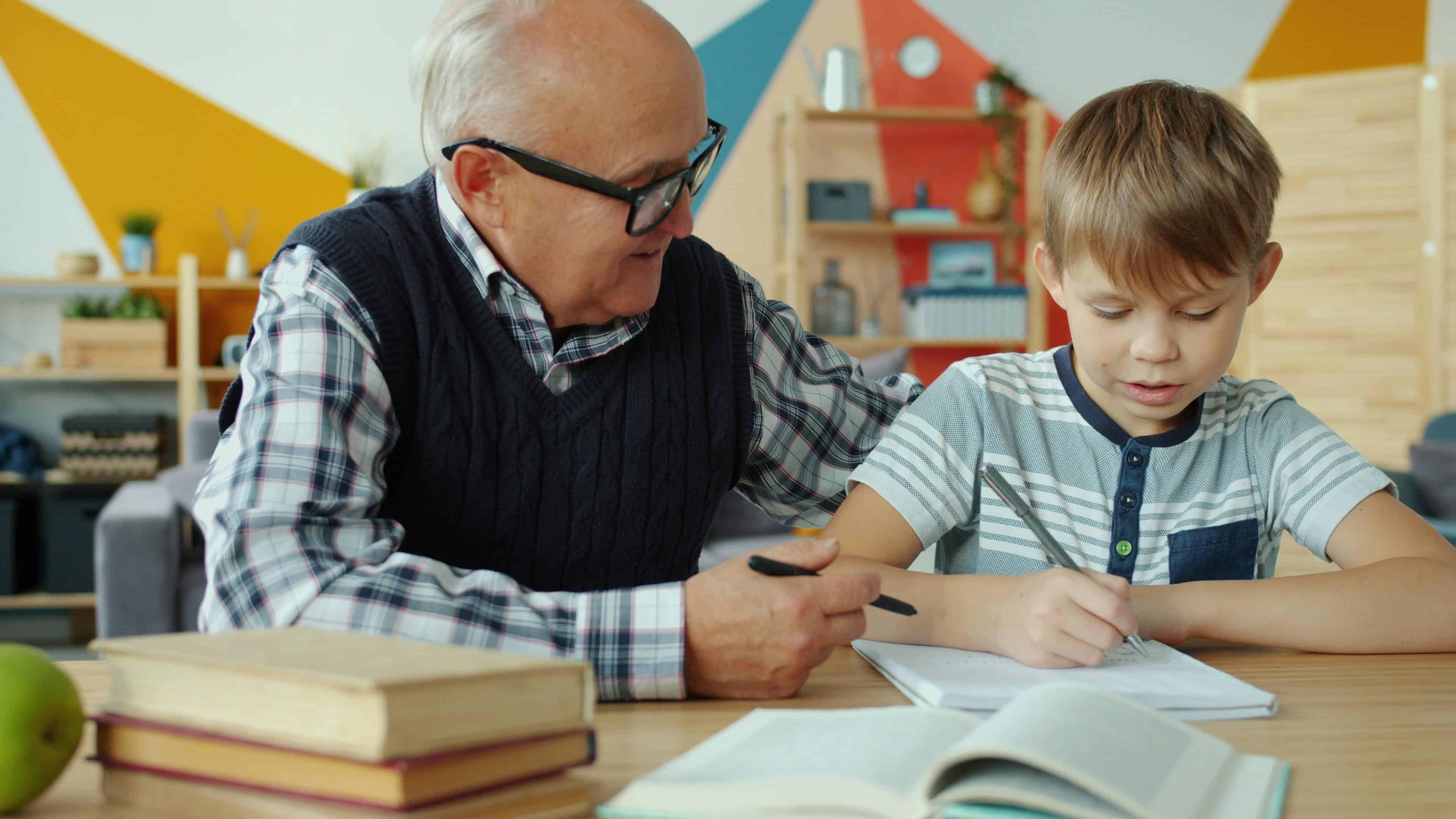
Grandparents who stay woven into daily life tend to feel more central. Demographic Research finds that when households with grandchildren live within 10 miles of a grandparent, they exchange more hours of care and practical help than families living far apart.
It is not just babysitting. It is rides, meals, errands.
Parents magazine highlights that many boomer grandparents contribute by covering childcare during work hours or emergencies. Others offer homework help or serve as backup drivers.
In the next generation, the plan is to protect enough health and flexibility to remain tangibly useful. Relevance will live in the ordinary: the Tuesday pickup, the science project rescue, the steady presence at the sideline.
I’ll keep learning, not just remembering
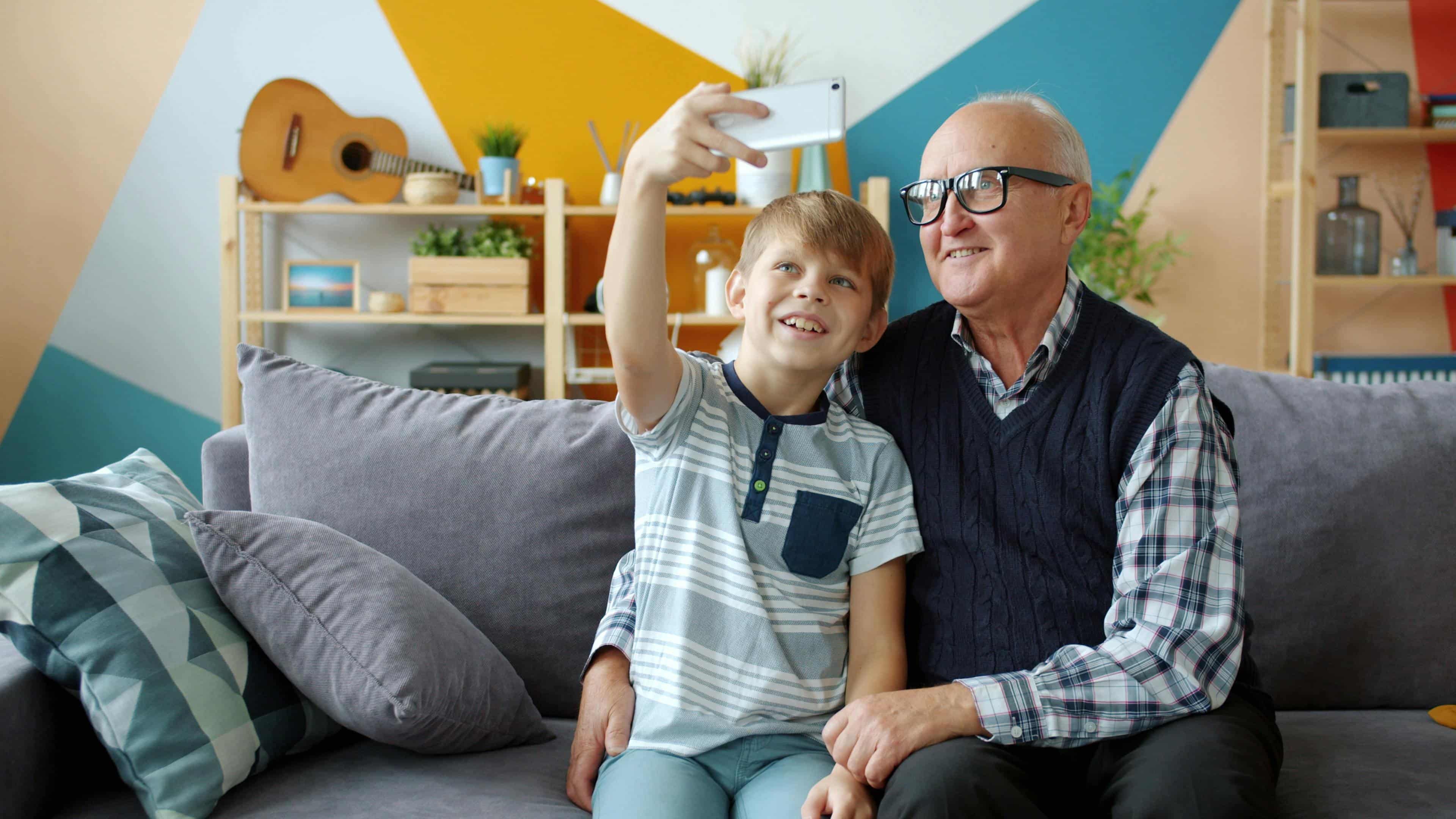
Anecdotes about “the way it was” can be lovely. They can also swallow the room.
Boomer grandparents, described in Holly Lea’s essay, often enjoy sharing life lessons from a very different era of work and family. Without balance, conversations can feel one‑directional.
Psychologists who study intergenerational bonds note that children thrive when older adults show humility about how much they still do not know, especially around technology and social issues. The plan at their age will be to expand, not contract. Read new authors.
Ask grandkids to recommend shows. Let them be the expert sometimes. Relevance will come from remaining a person in motion, not a monument.
I’ll protect space for my kids to be parents

Millennial parents carry heavy loads: 82 percent work, and four in five say they put their children above their careers. Many juggle jobs, childcare costs, and mental health pressures shaped by social media. When boomer grandparents criticize their rules or override them, they risk being sidelined from both generations at once.
Guides for modern grandparents stress that respect for the middle generation is the real ticket to access to grandchildren. That means aligning with parents on safety, media, discipline, and diet, even when old instincts disagree.
In the next season, the promise will be simple. Show up as backup, not as a rival authority. That keeps the door open.
I’ll plan for my own aging, so I’m not only a burden

Relevance and dependence can tangle. As more boomers work longer, with 19 percent of Americans 65 and older still employed in 2023, the grandparent years often overlap with career and health transitions. When planning is absent, adult children can feel squeezed between childcare and eldercare. Contact becomes transactional.
Research on skipped‑generation grandfamilies shows that when grandparents take on raising grandchildren without adequate support, their well-being declines sharply if relationships within the triad are weak. The lesson is broader.
At their age, the aim will be to arrange finances, housing, and health decisions in advance. To ask for help, but also to minimize crises that pull adult children away in panic rather than joy.
I’ll keep choosing connection, even when it hurts a little

Grandparents are often more central than the culture admits. One essay on boomer roles argues they may be “more important than ever,” especially as single-parent households and work stress rise. Their impact, whether through mentoring or simple presence, can offset some of the noise of modern childhood.
The risk is withdrawal: deciding that the new world is too loud, too woke, or too fast and retreating into TV and grievance. To do it differently, the older self will need to practice small, deliberate acts of reaching out.
Birthday texts. DMs. Showing up to watch a game stream for ten minutes. Relevance will not be granted by default. It will be the quiet result of choosing, again and again, to stay in the room.
Disclaimer – This list is solely the author’s opinion based on research and publicly available information. It is not intended to be professional advice.
Like our content? Be sure to follow us





