

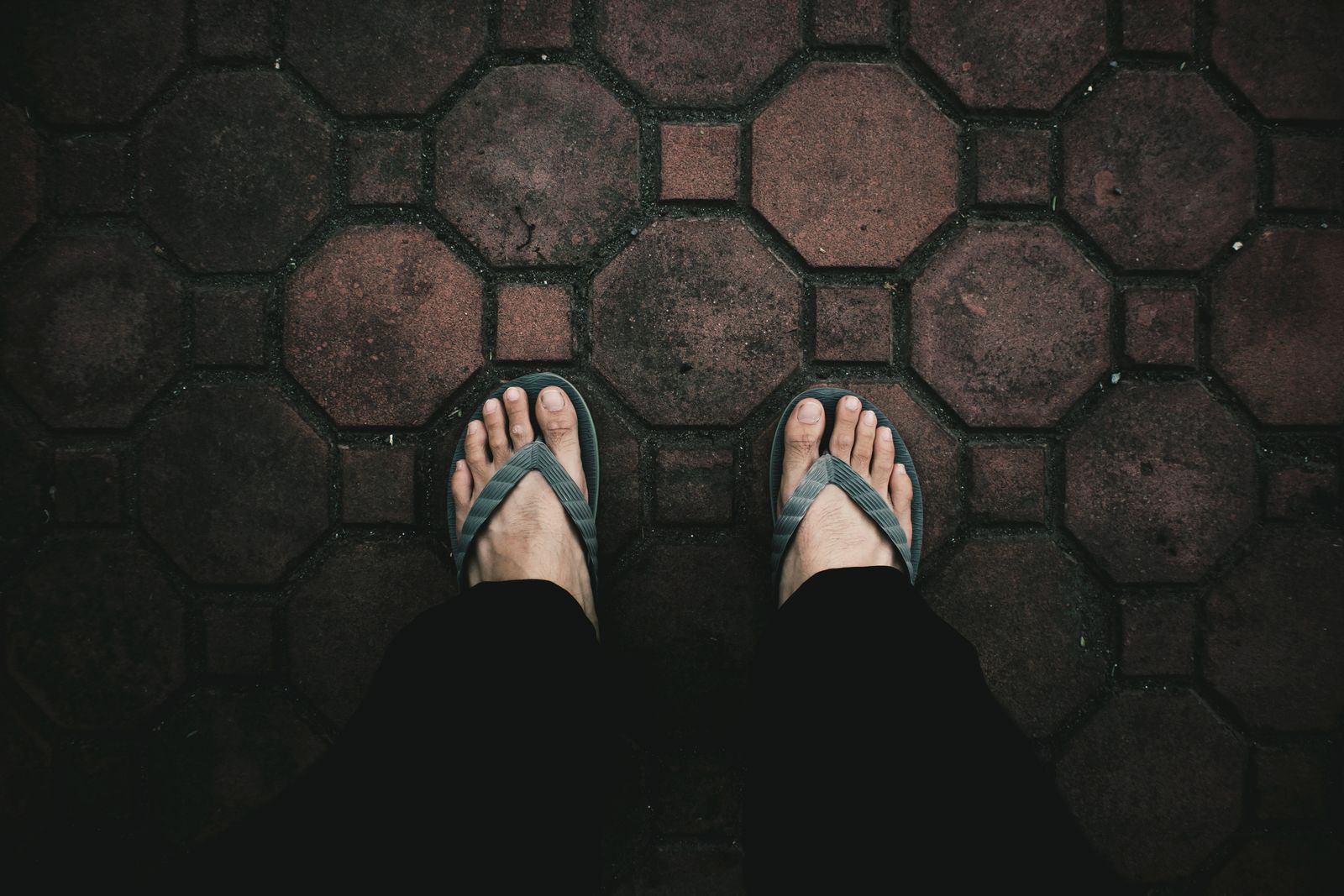
Almost everyone knows at least one man who treats flip-flops as the only footwear he owns. Grocery run? Flip-flops. Visiting friends? Flip-flops. Picking up dinner in November? Still flip-flops. Unless someone specifically asks for real shoes, the familiar sandals are coming along.
Can a footwear habit like that reveal anything about personality? Psychologists have studied how clothing, shoes and first impressions connect, and the answer is a careful “sometimes, a little.” No study has shown that men who live in flip-flops share 7 specific traits. Still, the habit lines up with several qualities people commonly associate with it. Debates over what counts as proper attire tie into this list of social norms some people think should be abandoned, and this look at odd American traditions that confuse the rest of the world offers more on everyday habits. For flip-flop fans heading somewhere warm for the holidays, a carry-on suitcase that skips the checked-bag fee is all the luggage needed.
What Shoes Can and Cannot Reveal
A 2012 study in the Journal of Research in Personality, led by University of Kansas psychologist Omri Gillath, tested how much strangers could tell from a photo of someone’s most-worn shoes. As summarized by the British Psychological Society’s Research Digest, 208 students submitted photos of their shoes and personality questionnaires, and a separate group of 63 students guessed at the owners’ traits.
According to Scientific American, the observers judged age, gender, income and attachment anxiety above chance, but most major personality traits were much harder to read. In other words, shoes give a thin slice of information, not a full portrait.
1. A Laid-Back Approach to Life
Picture a man arriving at a weekend barbecue in shorts, a faded T-shirt and his favorite flip-flops while everyone else planned their outfits. That relaxed look tends to create the impression of an easygoing personality, someone who dislikes unnecessary complications and enjoys informal settings.
Looking relaxed and being relaxed are not the same, though. A flip-flop wearer might be genuinely easygoing, or he might worry about everything and simply prefer open footwear. The shoes create an impression, not a personality test.
2. Comfort Over Fashion
Some men collect sneakers and coordinate outfits. Others ask one question before getting dressed: is this comfortable? For devoted flip-flop wearers, convenience and comfort may matter more than looking fashionable. Prioritizing comfort does not signal laziness or a lack of ambition. A man can be highly organized and successful while preferring simple footwear in his free time.
3. An Independent Streak
Imagine a group of friends heading out, all in sneakers, while one man reaches for his flip-flops without hesitation. Choosing differently from the people nearby can suggest independence. Research on what is known as the “red sneakers effect,” by Silvia Bellezza, Francesca Gino and Anat Keinan, found that people sometimes rate deliberately nonconforming individuals as higher in status and competence, as Harvard Business School’s Working Knowledge explained.
The effect has limits. According to a summary of the study, the positive impression appeared when the nonconformity looked intentional, and it disappeared in some settings. Flip-flops at a beach town cafe send a different signal than flip-flops at a funeral.
4. Less Concern With Other People’s Opinions
Some people would feel awkward walking into a gathering in flip-flops while everyone else wore polished shoes. Others would barely notice. A man who laughs off a comment about his sandals and carries on with his day may simply place more weight on his own comfort than on strangers’ approval.
Dressing differently does not always mean ignoring social approval, though. A casual style can also signal belonging to a particular crowd, such as beachgoers, surfers or a relaxed group of friends where flip-flops are the norm.
5. An Appreciation for Simplicity
For some people, getting dressed involves comparing outfits and checking trends. Others prefer a shirt, comfortable pants, flip-flops and out the door. That short routine can reflect a taste for simplicity, though it can also just be habit. Repeated behaviors in familiar situations often become automatic, so the shoes by the door may get chosen without any deeper philosophy behind them.
6. Spontaneity and Flexibility
When a friend calls with a last-minute lunch invitation, the flip-flop enthusiast is already halfway out the door. His footwear requires no preparation, which can make him seem spontaneous. Appearances can mislead here too. Someone who reaches for the same footwear every morning may actually be following a very predictable routine.
7. Comfort Expressing Personal Style
Style is not always about brands or trends. Sometimes it is about knowing what feels right. A man who regularly wears flip-flops may see them as part of his everyday identity, and friends may recognize him by that casual look. The flip-flop itself has a long history, with versions of the thong sandal worn for thousands of years, so the style has plenty of company.
What the Sandals Really Say
Climate, culture, convenience, workplace rules and personal habit all shape footwear choices. A man near the beach may wear flip-flops because everyone does, while another simply grabs the closest pair by the door. The strongest lesson from clothing psychology is that appearance can communicate preferences without revealing a whole personality. Sometimes a pair of flip-flops tells an interesting story, and sometimes it just means a man likes his flip-flops.
For more on what everyday habits can suggest, see these traits of people who smile at strangers during eye contact and of people who dislike having “Happy Birthday” sung to them.
This article was written with the help of AI tools and checked against the sources linked above.




