

For people with Parkinson’s, movement is only part of the concern. Thinking and memory can change, too, so a new finding from University of Cincinnati researchers stands out: people who stayed more active tended to fare better on both fronts over several years.
But “active” didn’t necessarily mean going to the gym. Ordinary chores counted, and the results resist a neat exercise prescription. The most active people didn’t come out ahead on every measure, and an outside researcher has cautioned against treating the findings as the last word on intensity.
There is another catch. The study cannot establish that activity caused the difference. People with fewer symptoms may have found it easier to keep moving. And an earlier brain-imaging study complicated the most obvious explanation for why physical activity might help.
So what counted as activity in the first place? Much more than a workout.
Housework and Yard Work Counted, Too
The tally included plenty of things most people wouldn’t call exercise.
The Neurology study, published Oct. 7, included 294 adults with mild to moderate Parkinson’s, with an average age of 66. They enrolled in a Cincinnati research program between January 2019 and February 2025 and took annual movement and thinking tests. Follow-up reached seven years for movement and five for thinking, though the typical participant was tracked for about three.
They reported activity at work, at home, and during recreation. Brisk walking, light swimming, doubles tennis, vacuuming, and mowing the lawn qualified as moderate activity. Jogging, fast cycling, competitive sports, shoveling, and carrying heavy loads fell into the vigorous category.
Weekly moderate or vigorous activity put them into three groups: up to four hours, four to eight, or more than eight.
The Least Active Group Fell Behind Fastest
The people who moved the most barely budged on a thinking-skills test.
On the 30-point assessment, where lower scores indicate worse performance, the least active group lost an estimated 0.478 points a year. The middle group lost 0.090 points, and the most active group lost just 0.007 points, essentially no change.
Movement scores followed a similar pattern but used a 132-point scale, where higher meant more severe symptoms. The average starting score was 23. The least active group rose an estimated 0.143 points a year; the middle and high groups fell by 0.225 and 0.783, respectively. In this case, falling scores meant milder symptoms.
Estimates accounted for age, sex, disease duration, and other factors. Starting scores did not differ significantly across groups. Movement exams were done while participants took their usual medication, so the figures do not show changes in symptoms without medication.
Related: Coffee and Kidney Health: Risks, Benefits, and What Studies Say
Working Harder Didn’t Show an Extra Payoff
An outside expert says this finding shouldn’t be over-read.
The researchers measured activity in three ways: total weekly time, volume adjusted for intensity, and time spent doing vigorous activity. Higher values on each measure tracked with slower decline. Yet once researchers factored in total activity time, vigorous activity showed no additional benefit for thinking or movement.
The cognitive difference between the middle and most active groups was also not statistically significant.
Study author Dong-Woo Ryu said the possible benefits may depend on how long people stay active and whether they keep it up.
Save this article
What the Study Can’t Prove
The big question hanging over the results is which came first, the activity or the better health.
Nobody was assigned to exercise, so activity might have helped preserve abilities, or people with milder symptoms might have found it easier to stay active. Participants self-reported activity, and the most active participants were younger.
The sample was 98.3% White. Those excluded, mostly for missing activity data, were older and had worse starting movement scores. The findings may apply less well to people with more severe symptoms.
Ryu called the differences small but potentially more meaningful over time, noting that participants generally began with good thinking and memory skills. When the team excluded four unusually fast decliners from the least active group, the cognitive association held, but the movement association weakened.
“That is encouraging, but it does not establish that exercise prevents cognitive decline or dementia,” said senior author Alberto Espay, a University of Cincinnati neurologist. He added that randomized trials are still needed.
Dopamine Didn’t Explain the Whole Story
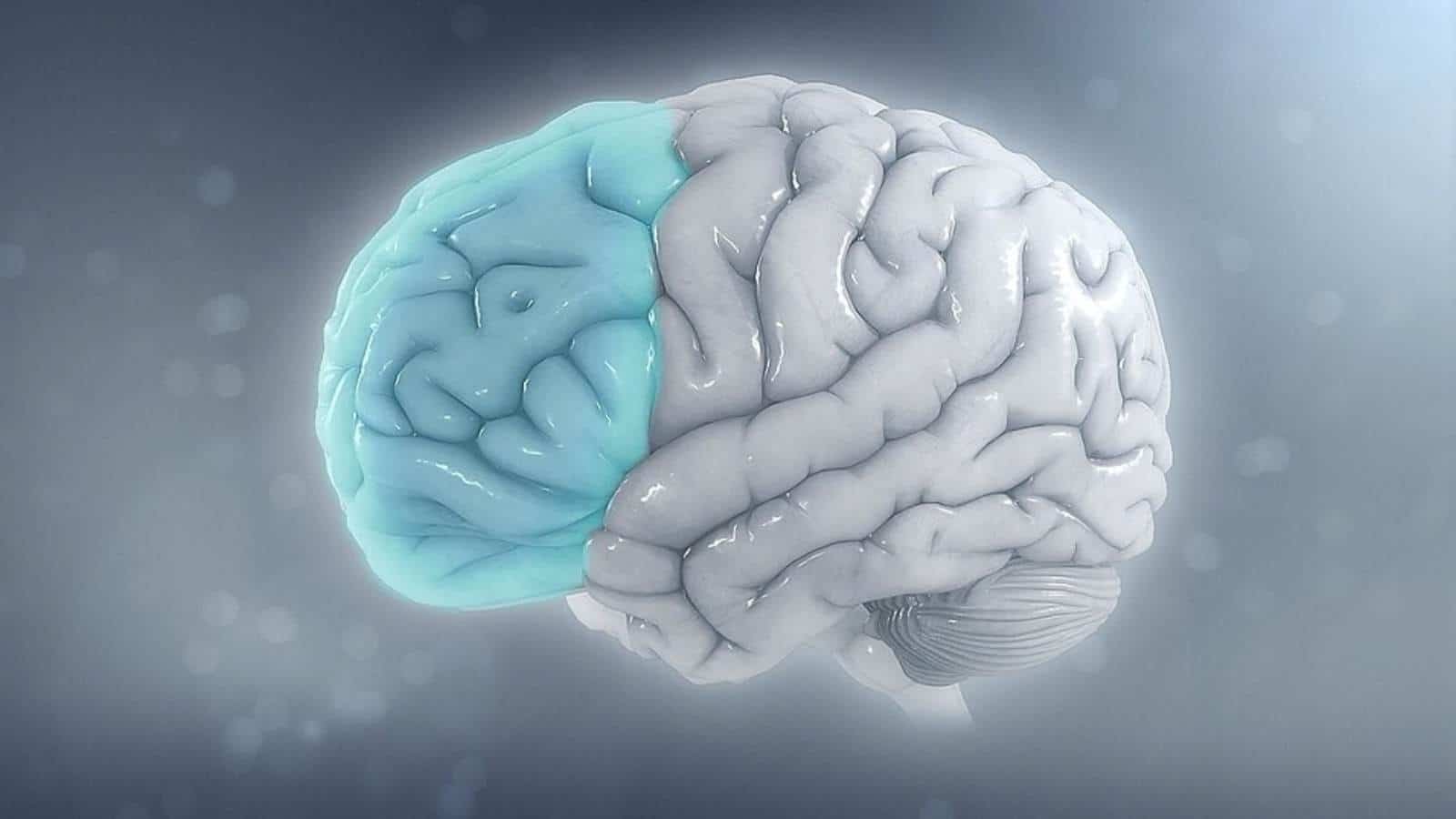
A separate, earlier study examined brain scans, and the obvious explanation fell short.
The Neurological Research and Practice study used the large Parkinson’s Progression Markers Initiative database. Higher activity scores were associated with slower declines in dopamine transporter availability in the caudate, a brain region. The transporter helps clear dopamine between nerve cells, so the scan gauges the health of the dopamine system.
Greater activity also tracked with slower worsening of balance, posture, walking problems, rigidity, and overall motor severity, plus better-preserved general thinking and processing-speed scores. However, tremor and slowness of movement showed no significant association.
But preserved dopamine function did not statistically explain those clinical differences. The authors proposed compensatory brain networks and other non-dopamine systems as possible explanations, but they are not established. Their observational study could not show cause and effect.
A Tandem Ride Across Iowa Raised the Question
Researchers have long asked whether exercise does more than build strength, and one early clue came on a bicycle.
In 2003, Cleveland Clinic researcher Jay Alberts rode a tandem bicycle across Iowa with a woman named Cathy who had Parkinson’s. After several days, he noticed improvements in her physical abilities, particularly her handwriting. The ride helped inspire later cycling research, though it was an observation, not a controlled experiment.
In 2024, Yale researchers reported increased dopamine-related imaging signals in nine of 10 people with early Parkinson’s after six months of high-intensity exercise through Beat Parkinson’s Today, founded by Michelle Hespeler after her own diagnosis. The study had no control group, and participants had mild disease and were motivated to exercise.
Next, the Cincinnati team plans to examine activity levels alongside disease-related markers in spinal fluid, including alpha-synuclein, amyloid-beta, and tau.
Does vacuuming count as exercise at home, or does it need to be a real workout to qualify?