
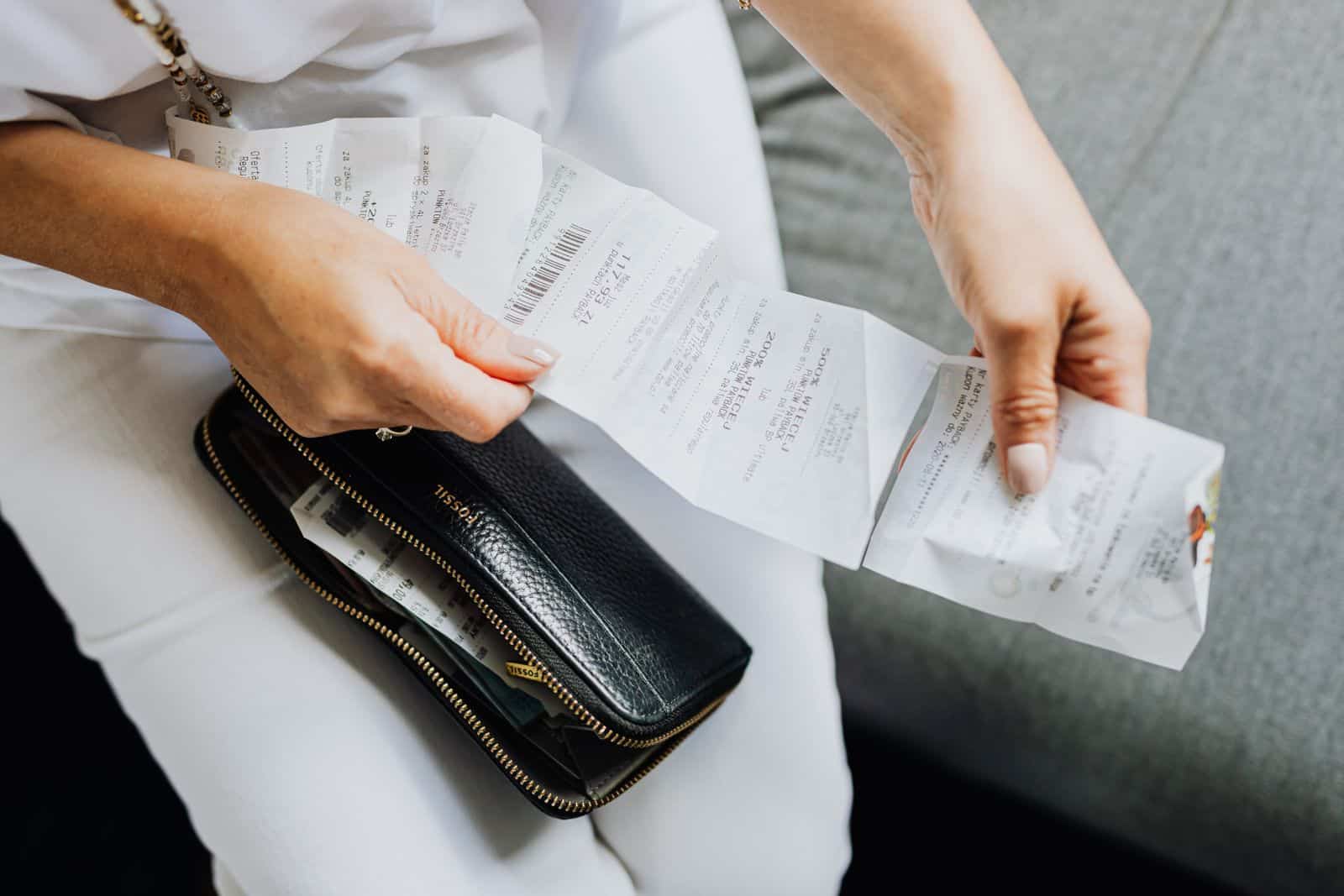
Some shoppers crumple a receipt the moment it leaves the register. Others take a second to crease it neatly in half, then in half again, before tucking it into a wallet, a coat pocket or a phone case. It looks like a tiny, forgettable gesture, but that small fold often signals a person who intends to look at the paper again.
No study has singled out receipt folders as a personality type, and nobody should read a single habit as a full character profile. Still, the reasons people hang on to receipts are well documented by consumer agencies, tax officials and money writers, and they point to a cluster of 7 practical habits that tend to travel together. Many of these habits overlap with the ones in this list of 26 easy tips for saving money fast, and they fit neatly alongside the goal of saving money for an emergency fund. For card users, a folded receipt also pairs naturally with the basics laid out in a beginner’s guide to how credit cards work.
1. They Check the Receipt Before Leaving the Store
A person who bothers to fold a receipt has usually already glanced at it. That quick scan is one of the simplest money habits around. A Christian Science Monitor guide to saving money by tracking receipts recommends looking for coupons that did not scan, items rung up twice and shelf prices that do not match what showed up at the register. Catching a mistake at the counter takes seconds. Catching it at home often means a second trip.
Receipt folders tend to treat this check as automatic, the same way some drivers always glance at the fuel gauge. It is less about distrust and more about closing the loop on a purchase.
2. They Keep Returns and Exchanges on the Table
Holiday shopping, clothing that might not fit and gifts that might be duplicates all have one thing in common: the receipt makes the return far easier. A writer at YourTango, in a piece on what keeping every receipt can say about a person’s worries, lists needing to return or exchange an item among the most common reasons people hold on to the paper. A folded slip in a wallet is, in effect, an insurance policy against buyer’s remorse.
3. They Hunt for Rebates, Surveys and Missed Discounts
Many receipts carry more value than the total printed at the bottom. The same Christian Science Monitor guide points out that some stores will honor a forgotten coupon if a shopper returns with the receipt, that survey links on receipts can lead to discount codes, and that mail-in rebates usually require the original receipt. One shopper in that piece collected more than $85 in rebates and gift cards on a single computer upgrade.
People who fold and save receipts are often the same people who actually fill out the rebate form instead of letting it expire on the counter.
4. They Keep Proof of Purchase for Warranties
When an appliance or gadget fails early, the first question a manufacturer usually asks is when and where it was bought. The Federal Trade Commission’s consumer page on how product warranties work advises buyers to save a copy of the warranty and to keep the product receipt with it, since the receipt shows the purchase date and that the buyer is the original owner. A carefully folded receipt clipped to a manual is exactly what that guidance has in mind.

5. They Track Where the Money Actually Goes
A stack of receipts is a ready-made spending diary. The Consumer Financial Protection Bureau suggests using its free spending tracker for at least two weeks, and ideally a month, to see real habits, spot surprise expenses and separate needs from wants. People who keep their receipts tidy have the raw material for that exercise already in hand.
The YourTango piece also lists staying within a budget and noticing overspending among the motives behind receipt keeping. Folding is just the first step in a routine that ends with a clearer picture of the month.
6. They Stay Ready at Tax Time
For freelancers, small business owners and anyone claiming deductions, receipts are not clutter. They are evidence. The IRS explains on its page about how long to keep tax records that the general period is 3 years, with longer periods in some cases, including 7 years for certain loss claims. Someone who folds and files receipts throughout the year usually avoids the April scramble through old jackets and junk drawers.
7. They Like Keeping Their Hands Busy
Not every receipt fold is about money. Some people simply crease, roll and smooth whatever paper happens to be nearby while waiting in line or chatting at a table. Popular Science, in a look at whether fidgeting helps people focus, describes research by UC Davis psychiatry professor Julie Schweitzer suggesting that movement may help some people stay alert during demanding tasks, though the effect is not proven for everyone. For these folders, a receipt is less a financial record and more a handy thing to fiddle with.
A Small Habit With a Practical Logic
Whether the motive is a return window, a rebate, a warranty claim or just restless fingers, the folded receipt usually reflects a person who thinks one step ahead. Many of the same instincts show up in lists like these 9 things boomers keep in their wallets, and in the careful shopping behind these subtle grocery store tricks customers rarely catch.
Plenty of people now photograph receipts or rely on emailed copies instead. But for those who still reach for the paper and give it a neat crease, the habit is a small, quiet way of staying organized.
This article was written with the help of AI tools and checked against the sources linked above.




