

It takes about three seconds. Someone reaches a door, glances back, sees a stranger a few steps behind and keeps the door open a moment longer. The stranger hurries a little, says thanks, and both go on with their day.
Small as it is, door holding has drawn real attention from researchers. A team at Penn State filmed people passing through a university doorway to figure out who holds the door, for how long and why. Other psychologists have studied what small kindnesses toward strangers actually do for the people on the receiving end. The courtesy has deep roots, and it shows up in many lists of manners, including a FrenzHub piece on 15 old-school etiquette rules that have disappeared. Door holding, though, has stuck around.
Not every door holder is the same, of course, but the research points to a set of qualities that tend to travel with the habit. Here are 7 traits people who hold the door for strangers often share.
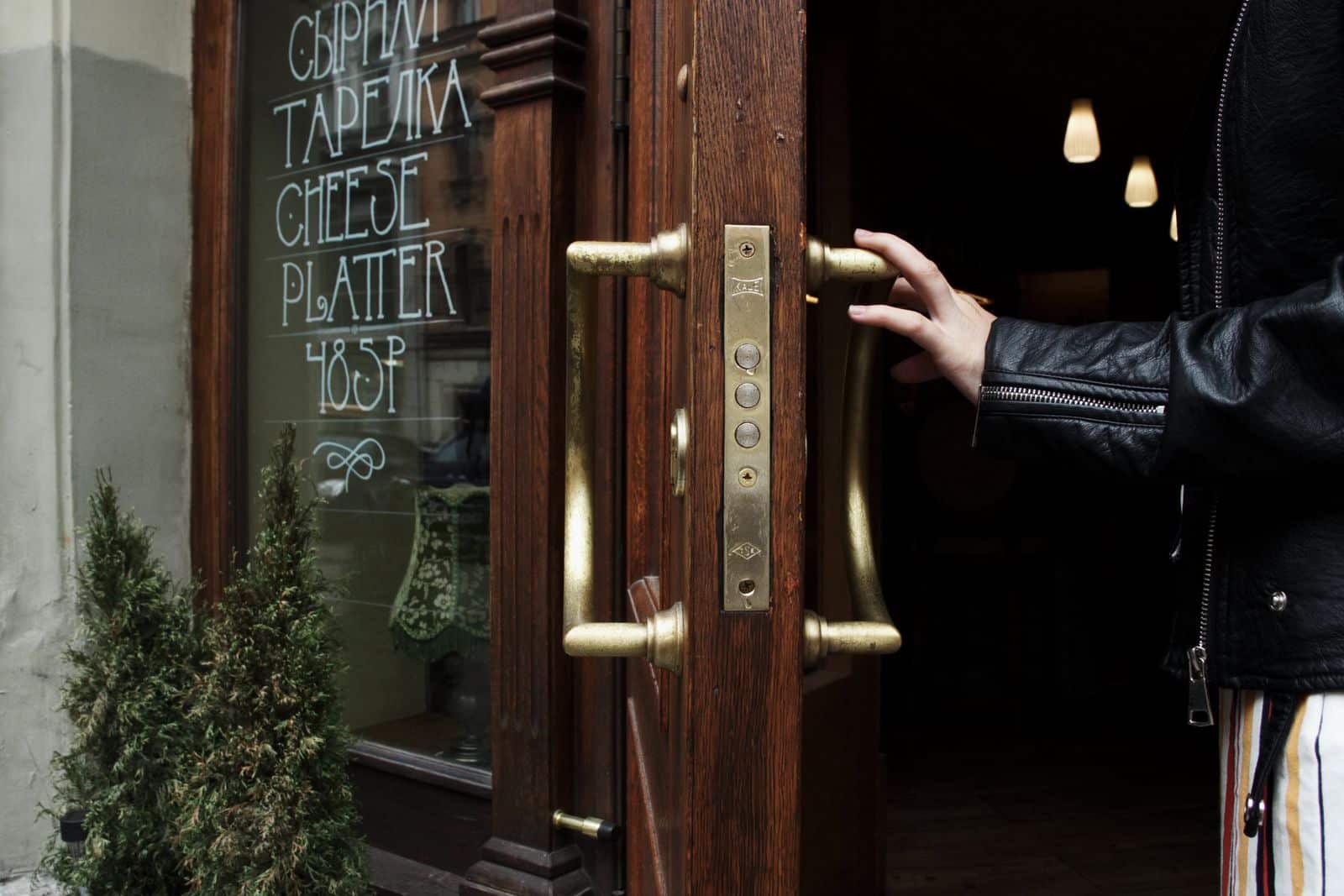
1. They Pay Attention to What Is Happening Around Them
Holding a door starts with noticing that someone is there. In the Penn State study, described in a release from the Association for Psychological Science, researchers Joseph Santamaria and David Rosenbaum found that the likelihood of holding a door depended on how far away the next person was. That means door holders are constantly, if unconsciously, reading the space behind them. That kind of awareness can carry over to other moments, like spotting a dropped glove or a parent juggling bags, and it is the same awareness that guides good behavior in a FrenzHub guide to 15 simple etiquette tips for being the perfect houseguest.
2. They Think About the Group, Not Just Themselves
One of the study’s most interesting findings involved numbers. When two people were following, the first person held the door longer than when only one person followed. Rosenbaum summed up the holder’s apparent logic this way: a kind act that helps more people is worth a longer wait. That reflects a group-minded outlook. Door holders weigh the benefit to others against a small cost to themselves and adjust in real time. It is a quiet form of consideration that values everyone getting through smoothly. Customs like this vary by culture, as a FrenzHub list of 15 American habits and phrases that are rude in other countries shows.
3. They Have a Strong Cooperative Streak
Writing on the APS blog, Wray Herbert described the same research in a piece on the ancient roots of etiquette. He suggested that courtesies like door holding may be an evolved form of cooperation, a kind of unspoken pact between the holder and the follower. The follower’s part of the deal is to speed up, and the study found followers were more likely to do just that when someone held the door. People who hold doors are often natural cooperators who expect others to meet them halfway, and who usually find that others do.
4. They Have an Instinct for Efficiency
The Penn State researchers drew on studies of motor control to explain door holding as a way of reducing total effort. A Discover magazine column on the study described the idea simply: the holder expects that both people will spend less effort together than they would separately. In other words, door holders are often practical thinkers. They see that a door already open is easier to walk through than one that has to be pulled again, and they act on it. Politeness and efficiency, in this view, point in the same direction.
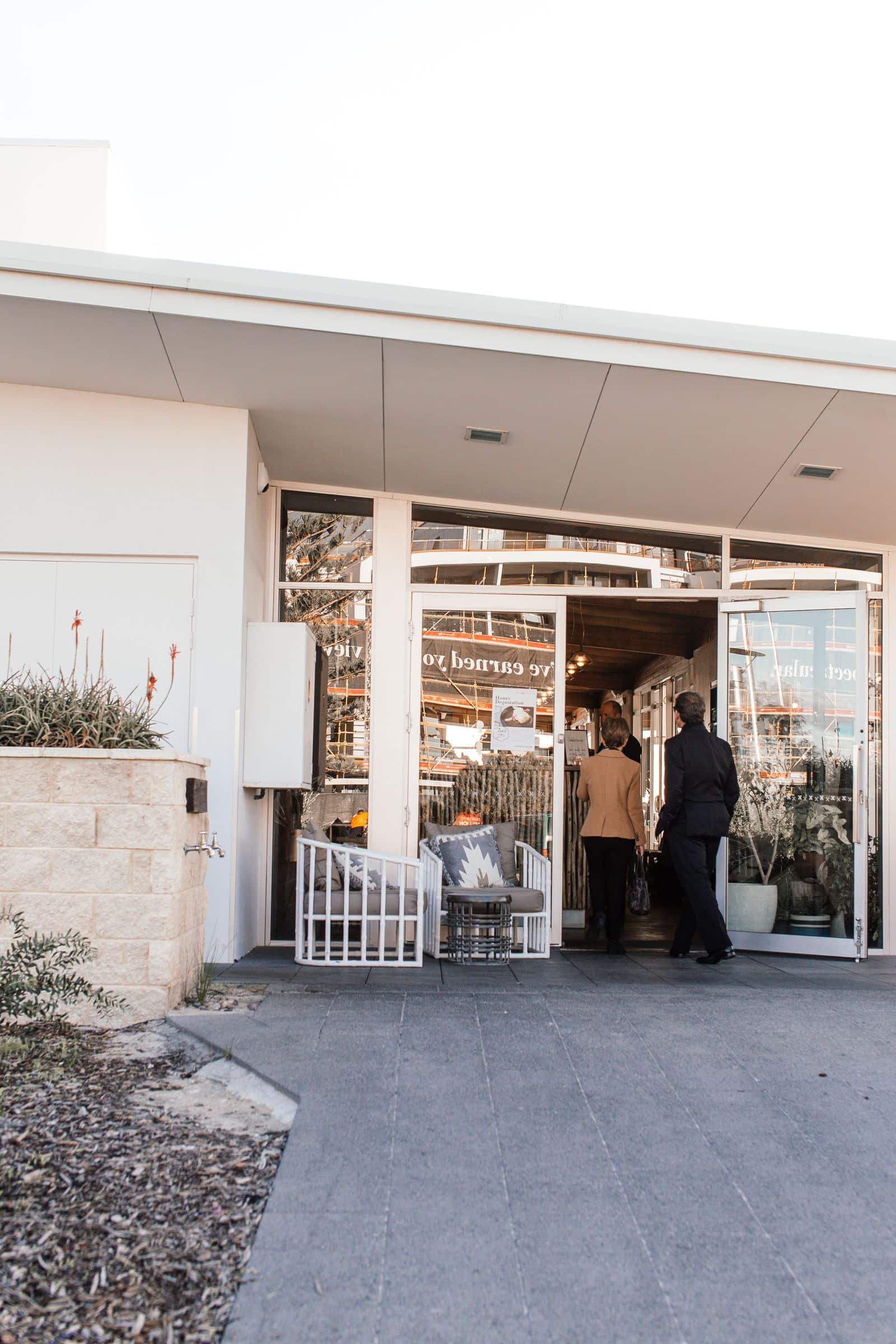
5. They Bring Warmth to Brief Encounters
Research by Amit Kumar of the University of Texas at Austin and Nicholas Epley of the University of Chicago suggests that small kindnesses carry more weight than people expect. As the Greater Good Science Center reported, givers in their experiments consistently underestimated how much happier recipients felt. Kumar pointed to the role of interpersonal warmth, which recipients notice more than givers do. Door holders tend to supply that warmth without much thought. A held door, a nod and a quick word of thanks can turn an anonymous moment into a pleasant one.
6. They Tend to Downplay Their Own Good Deeds
In the Kumar and Epley experiments, givers often viewed their acts as minor. Kumar wrote in Scientific American that in studies involving about 1,000 participants, people who performed kind acts underestimated how much those acts meant to the people receiving them. That modesty fits the typical door holder, who rarely thinks of the gesture as anything special. To them, it is simply what a person does. The irony is that this low-key attitude is part of what makes the gesture feel sincere rather than showy to the person walking through.
7. They Help Set Off a Chain of Kindness
The same research found that kindness spreads. In an economic game, people who had just received a kind act gave substantially more money to an anonymous stranger than people who had not, a ripple effect the original givers did not predict. Givers also reported a bigger happiness boost from being kind than from receiving something themselves. Door holders, then, may be doing more than saving someone a few seconds. Their small courtesy can nudge the next person toward generosity, and so on down the line, which is a strong argument for keeping the habit alive.
A Small Habit With a Big Reach
Rosenbaum described the gesture as uplifting for society, since strangers who will likely never meet again still go out of their way to make things easier for each other. Seen through the research, holding the door blends awareness, cooperation and practical sense with a quiet warmth.
Related reading includes a look at why the kindest people often have the smallest circles, along with 12 polite plane habits that secretly annoy others, a reminder that good manners also depend on timing. For most people, though, the lesson is simple. A three-second pause at the door is one of the easiest kind acts available, and it tends to matter more than it seems.
This article was written with the help of AI tools and checked against the sources linked above.




