

Every driver has seen it happen. A lane is ending, a car is waiting with its blinker on, and one driver eases off the gas to leave a gap while others close ranks bumper to bumper. That small choice takes only a second, yet it says a surprising amount about the person behind the wheel.
Traffic researchers and safety groups have spent years studying how personality shows up on the road. A widely cited study on driver personality found that traits such as agreeableness and emotional stability help predict who drives aggressively and who does not. Busy roads raise the stakes, too, as a FrenzHub look at the cities that have the most car accidents makes clear.
Drawing on safety guidance from AAA, state transportation departments and psychology research, here are 8 traits that people who let others merge often share.
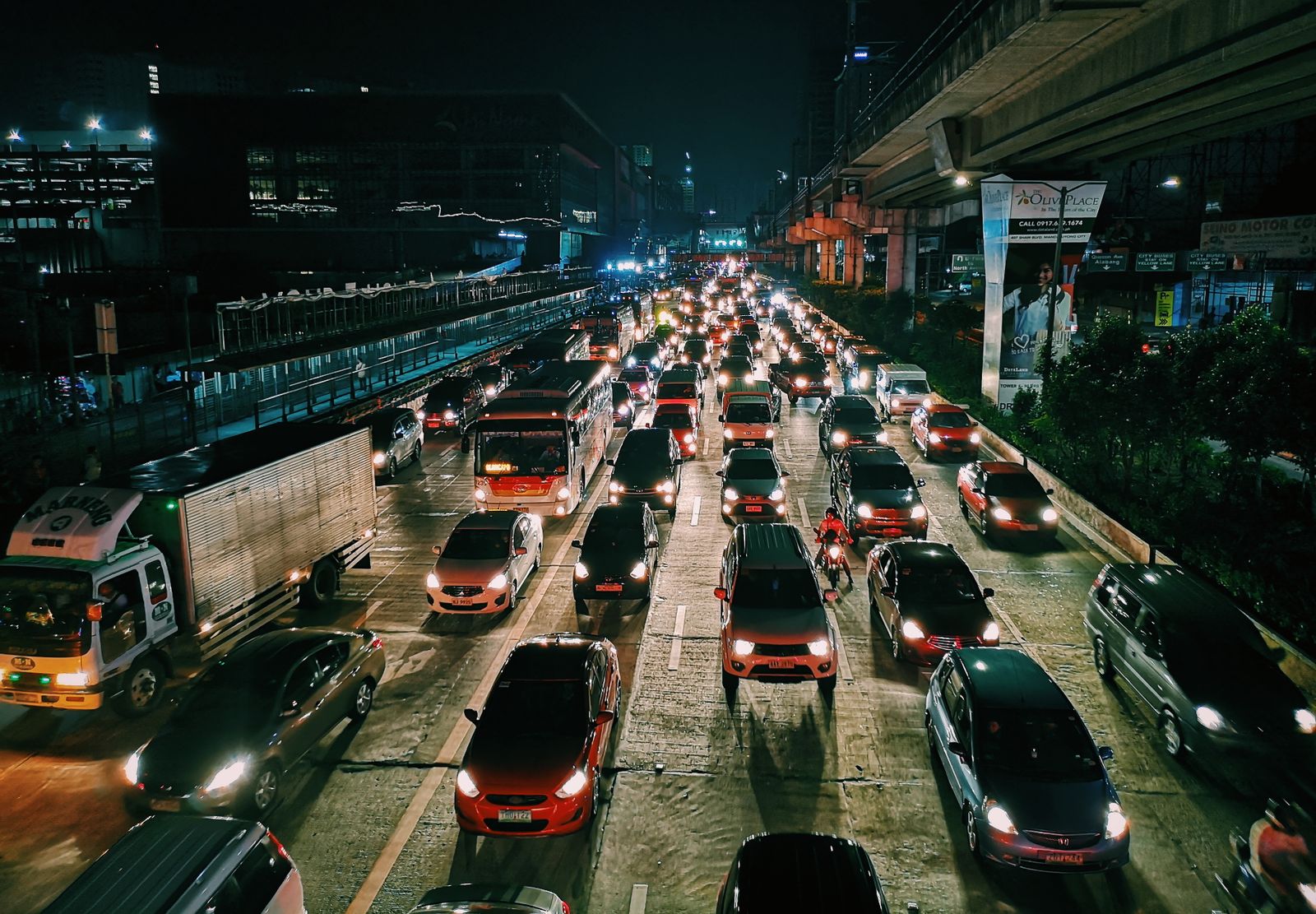
1. They Are Genuinely Patient
Patience sits at the heart of letting someone merge. Drivers who wave another car in have usually accepted that a few seconds will not change their arrival time in any meaningful way. AAA makes a similar point in its guide to being a nicer driver, noting that speeding is a factor in about one-third of fatal collisions nationwide and that studies show it saves far less time than most people expect. Patient drivers seem to grasp that math intuitively. They treat the road as a shared space rather than a race against everyone else in their lane. Rough pavement can test that patience, as a FrenzHub ranking of the 10 American states with the worst highways shows.
2. They Score High on Agreeableness
Agreeableness is one of the five major personality factors psychologists use, and it shows up clearly behind the wheel. A Florida Tech Psychology Science Minute summarized a 2012 study of more than 300 people published in Accident Analysis and Prevention. The researchers found that lower agreeableness and higher driving anger were tied to more aggressive driving. Lower agreeableness, the summary explains, goes along with less flexibility and courtesy on the road. Drivers who let others in tend to sit at the other end of that scale.
3. They Keep Their Emotions in Check
Emotional stability was another factor the same study linked to driving behavior. Drivers who stay calm when someone cuts close or a lane suddenly closes are far more likely to make room than to block a gap out of spite. AAA advises frustrated drivers to breathe deeply, pull over if needed and keep any gestures below the dashboard. People who let others merge often do this naturally, letting a moment of irritation pass before it turns into a reaction. That steadiness, it turns out, is a quiet safety feature of its own.
Good manners on the road echo good manners elsewhere, and a FrenzHub list of old-school etiquette rules that have disappeared shows how courtesy habits have shifted over the years.
4. They Give Others the Benefit of the Doubt
Empathy is a big part of the picture. AAA suggests that drivers who feel anger rising try to imagine a reasonable explanation for another driver’s behavior. Maybe the merging car missed a sign, is new to the area or is rushing to a family emergency. People who let others in tend to make this mental shift automatically. Instead of assuming the other driver is trying to cheat the line, they picture a regular person with a regular reason, and that small act of perspective-taking makes yielding feel natural rather than like a loss.
5. They Understand How Traffic Actually Flows
Many courteous drivers also know something others do not: late merging can be correct. The Colorado Department of Transportation explains that when a lane closure is ahead, drivers should use both lanes equally and then alternate, one car from each lane, just before the lane ends. CDOT adds that drivers who wait until that point are merging correctly and deserve respect. People who let others in at the merge point are often following this zipper pattern, which transportation agencies say keeps traffic flowing for everyone.
6. They Do Not Need to Win Every Moment
Some drivers treat every gap as a contest. A long-running Autoblog piece on road rage describes how pride and ego can push drivers to feel entitled to their spot and respond aggressively when someone threatens it. People who let others merge usually do not carry that mindset. Losing one car length simply does not register as losing. A YourTango feature on drivers who let others merge made a similar observation, describing these people as unhurried and noncompetitive, with no need to come out ahead in everyday interactions.
7. They Believe Kindness Comes Back Around
Courtesy on the road tends to be contagious. The Autoblog article lists letting merging drivers in as one of its core tips, noting that courtesy tends to be returned. AAA goes further, observing that “anger is as contagious as kindness.” Drivers who wave someone into their lane often understand this ripple effect. One small favor can calm the next driver, who then extends the same favor down the line. Rather than seeing the road as a place where nice drivers finish last, they see it as a system that runs better when people cooperate.
8. They Put Safety Ahead of Speed
Finally, people who let others merge tend to be conscientious, another trait the 2012 study tied to driving behavior. AAA safety expert William Van Tassel has said that “small efforts in courtesy can yield big reductions in risk for everybody.” A driver who opens a gap is also avoiding the kind of last-second standoff that leads to sideswipes and fender benders. These drivers keep a safe following distance, signal their own lane changes and think a few moves ahead, which makes the road safer for every driver sharing it.
A Small Gesture With a Big Payoff
Letting another car merge costs almost nothing, yet it reflects patience, empathy, emotional control and a real understanding of how traffic works. The research suggests these traits are not just pleasant but protective, since aggressive driving is linked to more crashes and violations.
Kindness tends to show up in more places than the highway. A FODMAP Everyday piece on why the kindest people often have the smallest circles explores related traits, and another looks back at old-school driving tips banned today. The next time a blinker flashes at the end of a closing lane, that open gap may say more about the driver than any bumper sticker could.
This article was written with the help of AI tools and checked against the sources linked above.




