

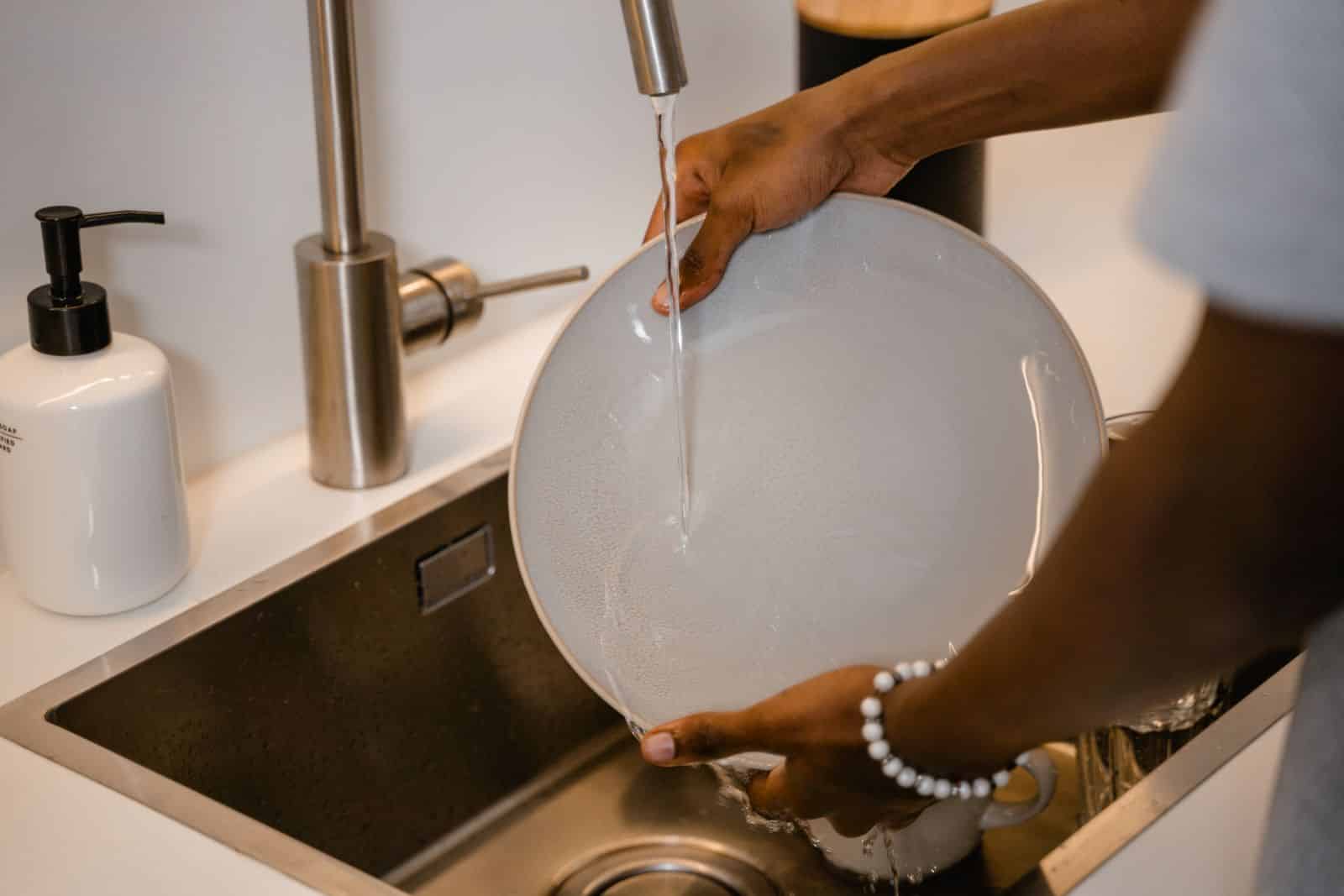
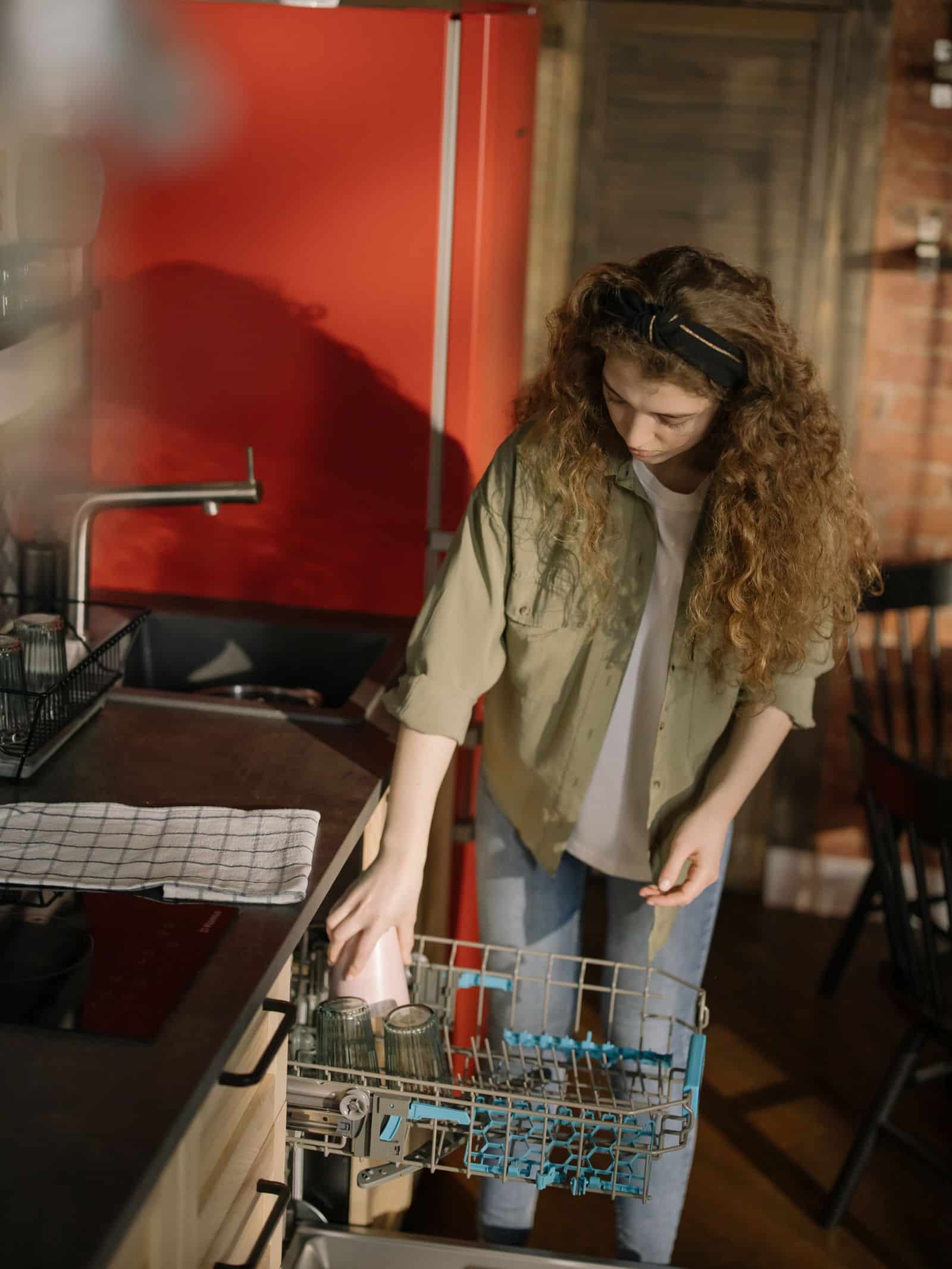
Few household habits split a kitchen quite like this one. On one side are the people who scrub every plate under the faucet before it goes into the dishwasher. On the other are the people who scrape off the scraps, load the rack and press start. Appliance makers and detergent brands have spent years telling the first group they can relax, yet the habit is remarkably stubborn.
A habit that common says something about the people who keep it. Many pre-rinsers also take the time to learn how to clean a dishwasher to reduce smells and dirt, compare the best portable dishwashers for small spaces, and collect clever kitchen tricks for home cooks. Survey answers about why people rinse first point to 7 traits that tend to show up again and again among those who wash dishes before the dishwasher ever touches them.
How Common the Habit Really Is
Pre-rinsing is far from a quirk of a few households. A survey commissioned by Procter & Gamble found that 86% of people pre-rinse or pre-wash dishes as part of their routine, according to an Allrecipes report on how Cascade settled the rinsing debate. A separate survey of 2,000 dishwasher owners in the U.K., commissioned by the energy company Utilita and covered by Fox News, found that 62% always rinse first and 42% load the machine only once plates and silverware are already sparkling clean. The reasons they gave line up neatly with the traits below.
1. They Are Creatures of Habit
In the Utilita survey, 37% of rinsers said they do it simply out of habit. That fits with research by University of Southern California psychologist Wendy Wood, who told NPR that about 43% of everyday actions are repeated almost daily in the same context. Standing at the sink after dinner is exactly that kind of setting, and once a routine is linked to a place and a reward, it tends to run on autopilot.
2. They Hold On to What They Learned Growing Up
A quarter of respondents, 25%, said they rinse because of how they were raised. Plenty of people learned to wash dishes before dishwashers were standard, or watched a parent hand-wash everything first, and those early lessons stick. The Allrecipes writer suggested the habit may trace back to childhood chores or to worries about water pressure and plumbing in an older home.
3. They Think Ahead About Breakdowns
Avoiding clogs and mechanical problems was the most common reason for rinsing in the U.K. survey, and 39% specifically mentioned preventing long-term appliance issues. People who rinse first often treat their machines as investments worth protecting. Experts agree with part of that instinct: a Hisense consumer analyst quoted by Tom’s Guide recommends scraping off bones, peels and seeds, since those can clog the filter.
4. They Have High Standards for Clean
Another 39% said rinsing helps keep the machine itself clean, and the group that loads only sparkling dishes shows how high the bar can go. These are often the people who want to see the result with their own eyes rather than trust that a cycle will handle it. For them, a plate that looks clean going in feels like a guarantee that it will be clean coming out.
5. They Notice Smells Others Miss
Odor control was a reason for 30% of rinsers. People who are sensitive to kitchen odors tend to rinse so that food does not sit on plates while the rack slowly fills.
6. They Are Slow to Trust Technology
Many pre-rinsers do not fully trust the machine, and the U.K. data hints at why. Some 36% of respondents said they have little or no knowledge of their dishwasher’s settings, 46% have never changed the settings since first using the machine, and 62% have never tried the eco mode. Paul Hide, chief executive of the Association of Manufacturers of Domestic Appliances, was quoted as saying that consumers should trust dishwashers to do the whole job, including the rinsing. Modern machines are built for that. A cleaning expert in the Tom’s Guide piece notes that most modern detergents are enzyme-based and need some food residue to work properly, and a Maytag manager adds that soil sensors in some models can be thrown off by dishes that arrive already clean.
7. They Take Ownership of the Job
In the U.K. survey, 57% said they are the one responsible for loading the dishwasher, and 77% spend up to two minutes rinsing after a typical evening meal. That extra effort reflects a sense of responsibility for getting the chore done right, even if the debate sometimes spills over: 27% said the rinse question causes arguments at home. People who also care about avoiding the top cleaning mistakes around the house will recognize the mindset.
The Water Bill Side of the Story
The habit does come with a cost. Consumer Reports has estimated that rinsing dishes before loading them can waste as much as 20 gallons of water per load, according to Iowa State University’s Live Green program, and Better Homes & Gardens, citing the same group, put the yearly waste at about 6,000 gallons for the average American. Energy Star certified dishwashers use under 4 gallons per cycle, roughly what a running sink uses in two minutes. Cascade senior scientist Morgan Eberhard advises scraping off large chunks of food and skipping the faucet entirely.
A Habit Worth a Second Look
None of these traits are bad ones. Caution, cleanliness and a sense of responsibility serve people well in plenty of areas. The only exception experts flag is burnt-on food, where a short soak usually works better than a full rinse. For the rest of the load, scraping and trusting the machine saves time and water. Readers who enjoy this kind of personality breakdown may also like this look at why people who change into comfy clothes right away usually share these 11 traits.
This article was written with the help of AI tools and checked against the sources linked above.




