

Stacking the plates at the end of a restaurant meal looks like a small, tidy gesture, but psychology writers read a good deal into it. A Grazia USA piece dated Nov. 17, 2026, links helping a server clear the table with empathy, social awareness, humility and a sense of shared responsibility.
Five traits come up most often in that line of thinking: respect for everyone who works in the room, awareness of others, empathy, humility and a habit of leaving things a little better than they were found. Servers, as it turns out, have mixed feelings about the stacks themselves, and both sides are worth a look. Table manners vary widely around the world, as this list of odd American traditions that confuse the rest of the world shows.
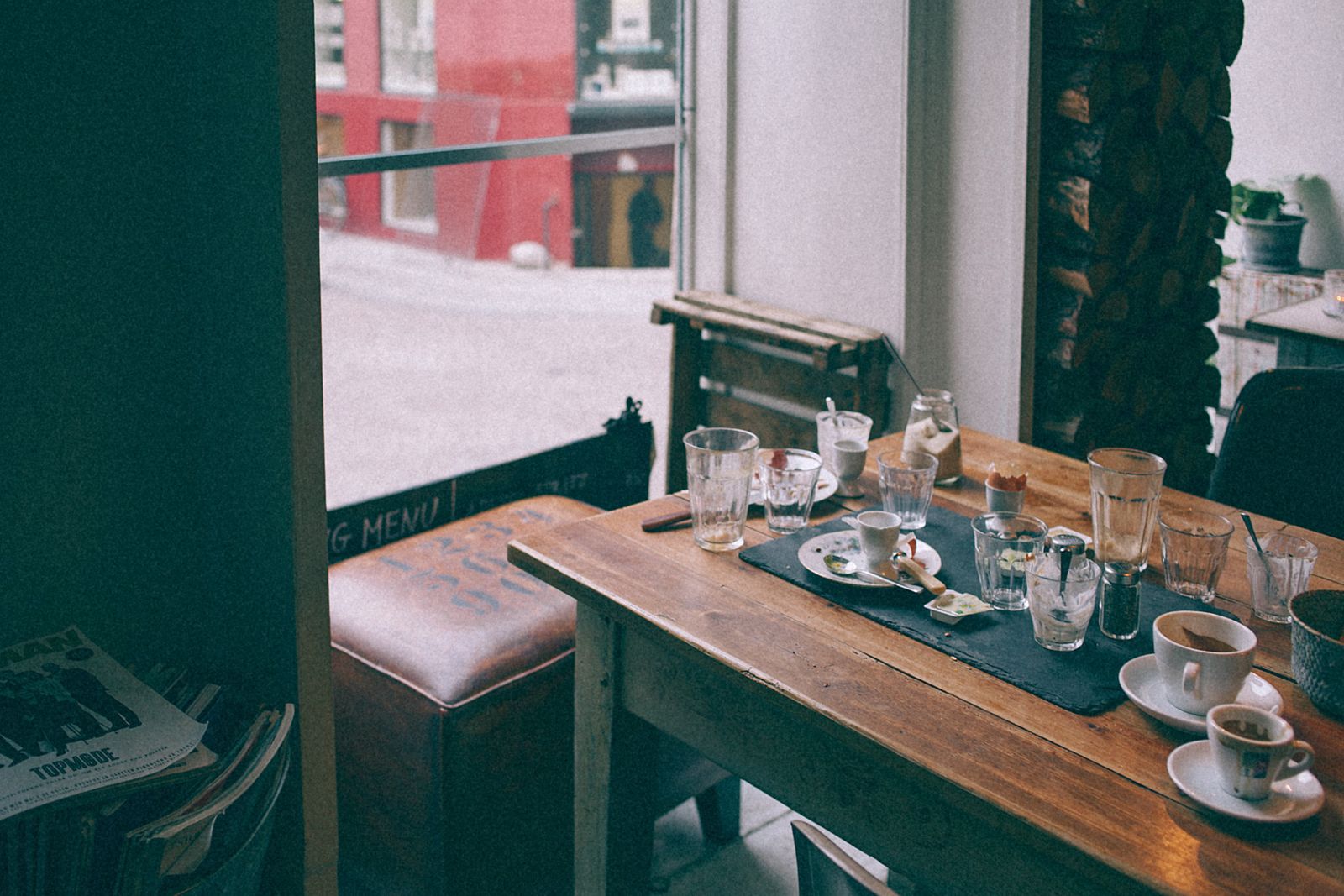
1. Respect for Everyone in the Room
The first trait is plain respect. Grazia USA points to humility and low entitlement as part of the picture, and it cites research in the Journal of Personality and Social Psychology that, as the magazine describes it, found people who strongly favor rigid hierarchies are less likely to help service workers voluntarily.
The opposite attitude is a diner who sees a server as a person doing a hard job. That respect tends to show up everywhere, from the host stand to the parking lot, and it fits the way the magazine describes a meal as a shared exchange rather than a simple transaction. Courtesies like that are among the everyday manners Baby Boomers wish hadn’t disappeared.
2. Awareness of Others
The second trait is social awareness. According to Grazia USA, helping can signal that a person notices the crowded room, the heavy tray and the busy section. The piece describes social awareness and a sense of responsibility for shared spaces as common threads behind the habit.
The magazine quotes the American Psychological Association’s description of helping as voluntary behavior meant to benefit others. In a restaurant, that can be as small as a neat stack of plates at the edge of the table.
3. Empathy
Empathy is the third trait. Grazia USA lists picturing a server’s workload and feeling the strain of a busy shift as reasons diners pitch in. Someone who has waited tables, or watched a friend do it, is especially likely to notice when a server is stretched thin.
4. Humility
The fourth trait, humility, shows up as low entitlement: a diner who does not assume the table will be cleared on demand. Not every motive is purely generous, though, and the article says so. It notes that the motive matters more than the act, and it cites Francisco Tabernero’s view that going out of one’s way to be extremely easy can be a form of passive assertiveness, driven by a wish to avoid disapproval rather than concern for the server. Grazia USA also lists childhood habits, a need for order and a wish to be seen as an easy customer as possible reasons.
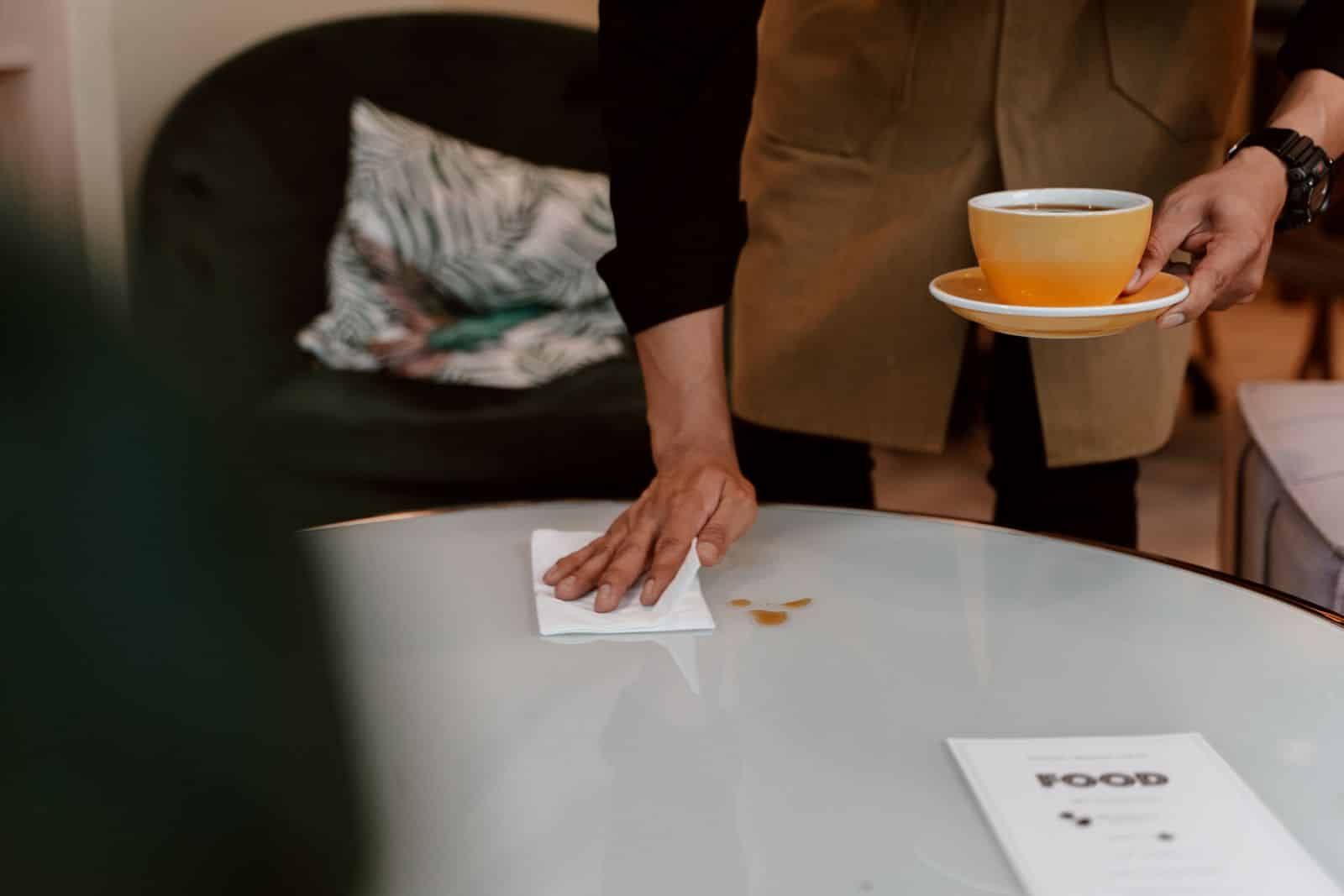
5. Leaving Things a Little Better
The fifth trait is the habit of leaving a space better than it was found. Grazia USA ties it to responsibility for shared spaces, and it cites a Journal of Applied Psychology meta-analysis covering almost 9,800 employees that found everyday helping at work boosted team cohesion and productivity. A diner who stacks plates is applying the same small-helper instinct at the table. Habits like that also appear among the traits that separate genuinely good people from everyone else.
The magazine offers practical advice for helping without getting in the way: stick to the diner’s own dishes, and never grab plates from a server’s hands.
What Servers Say About the Stack
Servers have their own view, and it is more mixed. Stacie Adams wrote in a Mashed roundup published March 8, 2025, that servers say stacked plates can topple, especially when stacked carelessly, and that glasses placed among the dishes can end up in leftover food. Stacks can also look untidy in nicer dining rooms and can make clearing harder.
William Bonilla, a service captain at Dirty Habit in Washington, D.C., told Today, as Mashed reports, that stacking makes it harder to clear and clean a table, though he appreciates the intent. Mashed also notes that some Reddit commenters say careful stacking is fine at casual spots, while others say it is unwelcome at high-end restaurants.
Helping Without Getting in the Way
The two views fit together better than they seem. The instinct behind stacking plates is a kind one, and servers generally appreciate the thought. The execution is where things go wrong, so the safest approach is to push finished plates to the edge of the table, keep glasses separate and let the server decide how to carry them.
Some old etiquette rules are worth dropping, as this list of social norms that should be abandoned argues, but noticing the people who serve a meal is not one of them. A good tip still speaks louder than any stack of plates, and a simple word of thanks on the way out goes a long way, too. Service workers often take the busiest shifts of the year during the holidays, when any kind of work-life balance is hard to find, so small courtesies matter more than usual.
This article was written with the help of AI tools and checked against the sources linked above.




