

“Design is not just what it looks like and feels like. Design is how it works.” Steve Jobs.
Smartphones today are tougher, sleeker, and more refined than ever. Corning’s Gorilla Glass Victus can survive drops from up to 2 meters while doubling scratch resistance, and AppleCare+ and Samsung Care+ now cover accidental damage, shifting focus from prevention to repair.
Yet despite these advances, SquareTrade reports Americans broke over 50 million phone screens in a single year, costing billions in replacements. At the same time, surveys show nearly 80% of U.S. users still hide premium finishes behind bulky cases, even as the global smartphone design market hit $18.5 billion in 2024.
So here’s the question: are cases still essential, or are they just hiding the beauty and performance of modern devices? Let’s explore the reasons why phone cases might be losing their necessity and why more users are daring to go caseless.
Modern smartphones already come tougher than before

Modern smartphones are undeniably tougher than before. Manufacturers now integrate reinforced aluminum frames and advanced cover glass, such as Corning’s Gorilla Glass Victus, which lab tests confirm can survive drops from up to 2 meters onto hard surfaces while offering double the scratch resistance of earlier versions.
These improvements mean many devices withstand falls that once guaranteed shattered screens. Yet durability doesn’t eliminate risk: in 2023 alone, 78 million Americans damaged their phones, driving repair costs to $8.3 billion. Such figures highlight a paradox: today’s phones are engineered like tanks, yet widespread damage shows protective cases are more than just optional.
Phone design finally looks too good to hide

Phone design today is too good to hide. Brands invest billions in premium materials, sleek curves, and matte finishes that elevate both look and feel. The global smartphone design market alone was worth USD 18.5 billion in 2024, underscoring the effort that goes into aesthetics.
Yet surveys reveal that nearly 80% of U.S. users cover their phones with protective cases, often concealing finishes like graphite or titanium. I once bought a graphite phone only to keep it hidden behind a bulky black case for a year; it felt like buying art and locking it away. Doesn’t that defeat the purpose of design meant to be seen and experienced?
Cases add bulk and ruin ergonomics
Michael Burrows via Pexels
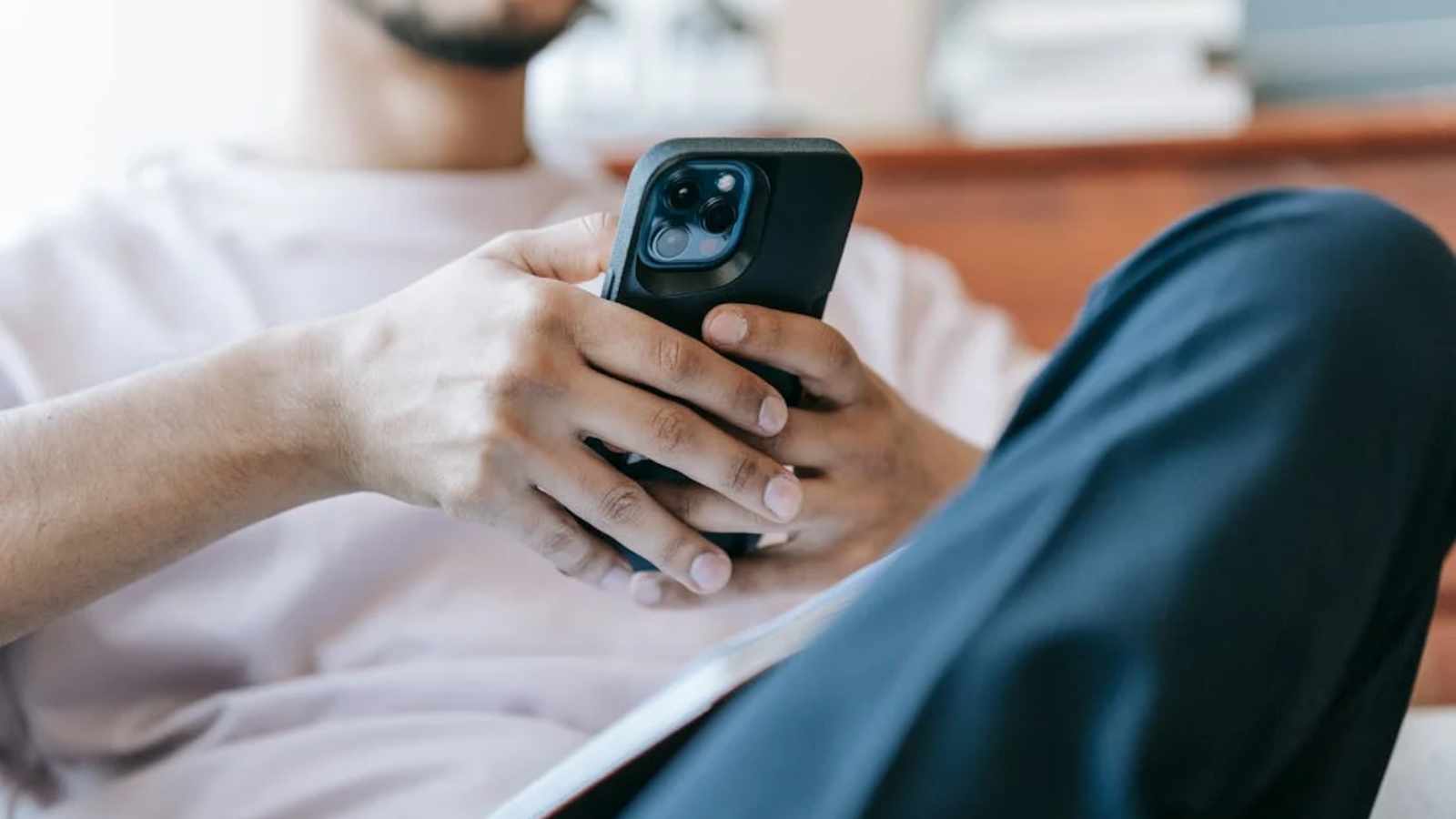
Smartphones already feel large, and adding a case often makes them noticeably bulkier and harder to use one-handed. Studies show that modern devices, with screens averaging over 6 inches, already push ergonomic limits, and cases increase thickness and weight, altering grip comfort and thumb reach. This added bulk also makes pockets tighter and less convenient.
Engineers design phones to feel balanced in hand, but cases disrupt that balance. Research links sustained grip and awkward posture to hand fatigue and tendon strain, which can exacerbate these cases. Remove a case after months of use, and the phone instantly feels lighter, sleeker, and easier to handle; a difference users notice immediately.
Wireless charging works better without cases
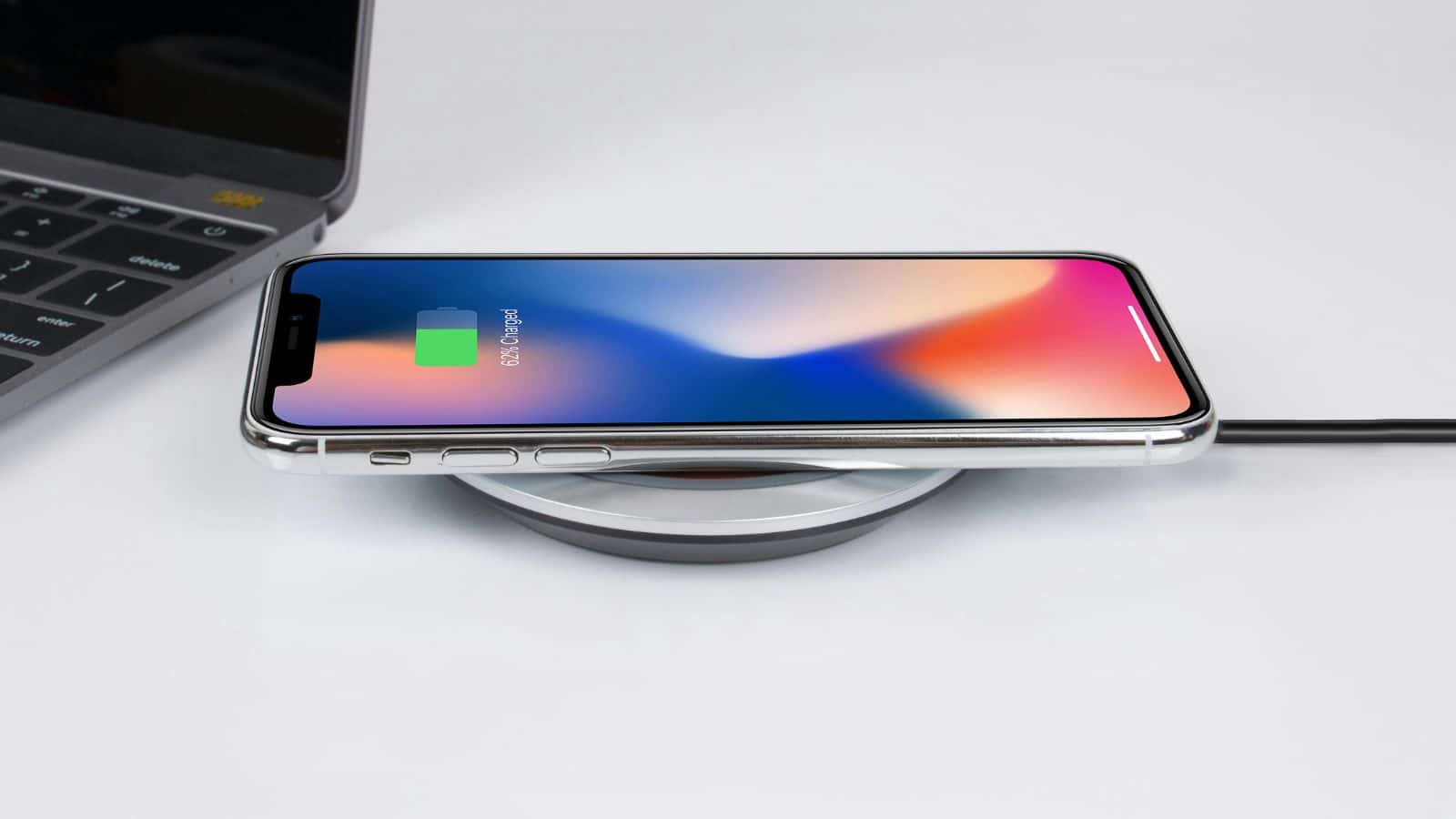
Wireless charging has become mainstream, but cases often interfere with its efficiency. Thick or metal cases can slow charging speeds, cause overheating, or even block the connection entirely. Research shows that misaligned coils or obstructive materials increase energy loss, raising device temperature by 10–20°C, and wasting up to 25% of energy.
Manufacturers like Apple and Samsung caution that wireless charging works best without cases or with slim, Qi-certified designs. I’ve noticed the same, as my phone charges faster and stays cooler when placed directly on the pad. For those who rely on wireless charging daily, ditching the case can be a simple trade-off that improves performance and protects battery health.
Heat dissipation improves without a case

Phones generate considerable heat during gaming, video editing, or heavy multitasking, and cases often trap that heat. Studies show modern devices can reach 40–45°C under sustained load, producing 5–8W of thermal output. Materials like rubber or plastic act as insulators, blocking natural dissipation through the phone’s body.
This leads to thermal throttling, where performance slows to prevent damage to gamers’ systems when frame rates drop from 60 FPS to 30 FPS due to overheating. Engineers design phones to release heat through their chassis, but cases disrupt this balance. Remove the case after long use, and the phone instantly feels cooler, lighter, and more responsive. Why let a protective layer compromise performance?
Drop protection isn’t as guaranteed as you think

Drop protection isn’t as guaranteed as many believe. While cases are marketed as shields, studies show they don’t prevent damage from every angle. SquareTrade reports that Americans broke over 50 million phone screens in a single year, costing $3.4 billion in replacements, even though most devices were in cases.
Save this article
Poorly designed cases can create pressure points that actually increase the risk of cracks. SquareTrade Europe surveys confirm drops remain a leading cause of damage worldwide, regardless of case use. So, while cases add bulk, they don’t eliminate risk. Doesn’t that feel like false security, carrying extra weight yet still facing costly repairs?
Insurance and warranties reduce the risk
Insurance and extended warranties now play a major role in reducing smartphone risk. Services like AppleCare+ and Samsung Care+ cover accidental damage, cracked screens, or liquid issues for a fee, shifting the focus from prevention to repair. The global mobile phone insurance market was worth USD 28.74 billion in 2022 and is projected to reach USD 73.86 billion by 2030, with North America accounting for over 33% of the market share.
This growth reflects consumers’ increasing reliance on financial protection rather than bulky cases. I recently switched to insurance, and the peace of mind it provides made me confident enough to go caseless, no longer worrying about every small drop but trusting coverage to handle mishaps.
Cases collect dirt and bacteria
Cases often collect dirt and bacteria, making phones less hygienic. Research shows smartphones can harbor 10 times as many bacteria as toilet seats, and protective cases worsen the buildup by trapping dust, sweat, and moisture around the edges and ports. Over 60% of users admit they rarely clean their cases, allowing grime to accumulate and even scratch the device over time.
I once removed a case after months and found a layer of dirt that looked like a science experiment had gone wrong. Engineers design phones with smooth surfaces for easy cleaning, but cases disrupt that simplicity. Without a case, wiping your phone is straightforward, keeping it cleaner and healthier overall.
The minimalism trend pushes people to go caseless
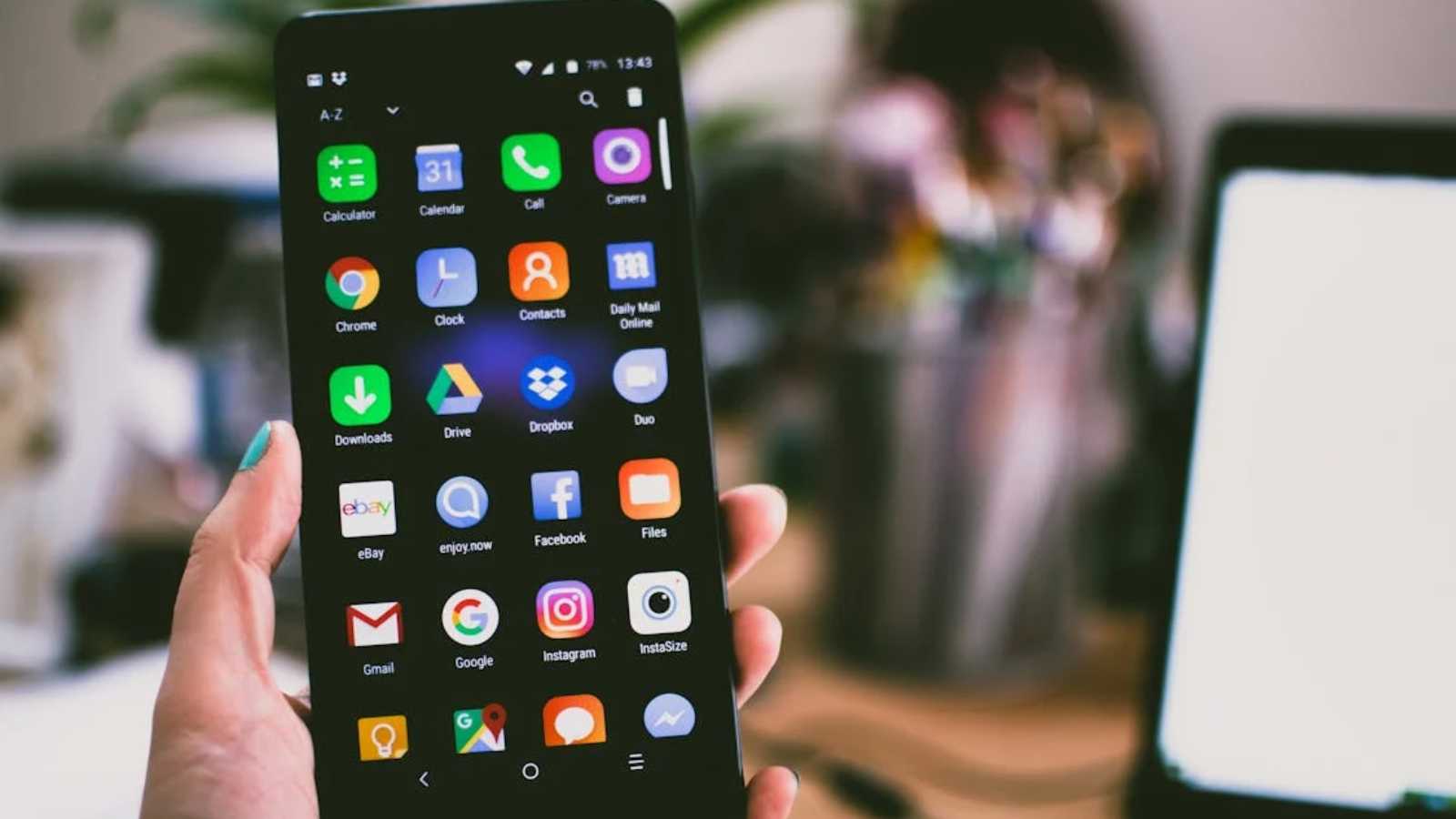
Minimalism is reshaping how people use their devices, pushing many toward caseless setups. The lifestyle trend emphasizes fewer accessories and less clutter, and a bare phone fits that mindset perfectly. Market reports note rising demand for minimalist smartphone setups, while influencers and tech reviewers often showcase devices without cases, accelerating adoption.
I tried it myself for a week and never went back. The experience felt simpler, lighter, and more authentic. Without extra layers, you interact directly with the device as it was designed. That clean, uncluttered feel resonates with the broader minimalism movement, where less truly becomes more.
Better grip materials reduce the need for cases
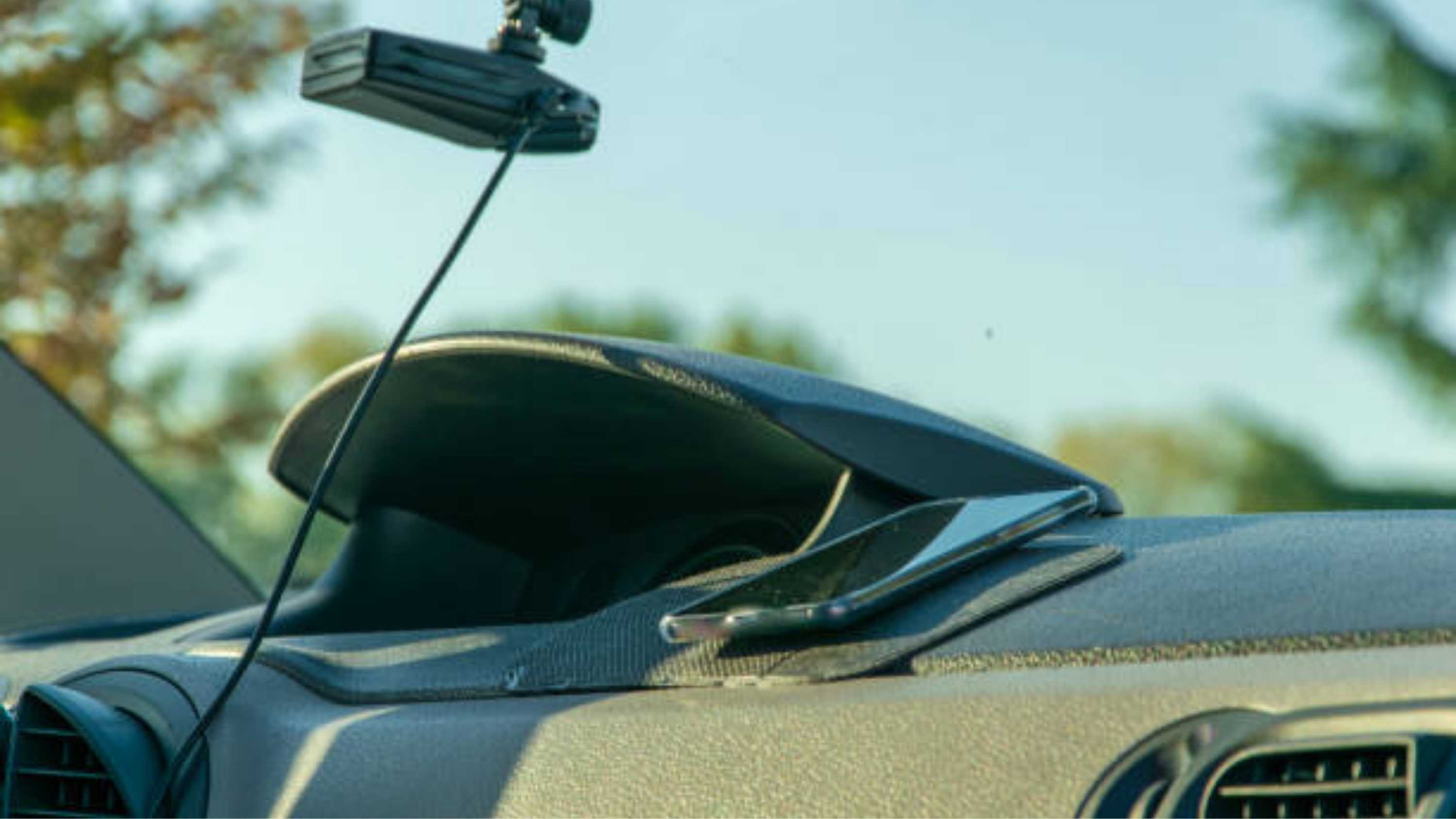
Smartphone manufacturers now use matte finishes, textured glass, and anti-slip coatings to improve grip, making devices feel more secure in hand. Research on advanced coatings shows they enhance friction and reduce accidental drops, addressing the “slippery soap” feel of older glossy phones.
Flagship devices increasingly feature these materials, reflecting consumer demand for ergonomics. Ipsos reports that while many users still purchase cases, brands are investing heavily in finishes that make caseless use more practical. My current phone rarely slips even without a case, and that small improvement reduces the risk of drops more than expected. If grip is already optimized, why add bulk to fix a problem that’s largely solved?
Cases can interfere with the signal and accessories

Cases can interfere with signals and accessories more than many realize. Thick or metal cases can weaken cellular reception, Wi-Fi speeds, and Bluetooth performance, while magnetic accessories like MagSafe often lose efficiency with third-party designs.
Apple users have reported Wi-Fi speeds dropping from 276 Mbps to 95 Mbps when using certain MagSafe cases, with performance restored after removal. Industry reports confirm that case materials can block radio waves, disrupting connectivity.
Considering the global mobile accessories market is worth over USD 105 billion, it’s clear that compatibility matters. You buy a high-end phone for full performance; limiting it with an add-on doesn’t make much sense.
Personal preference shifts toward experience over protection
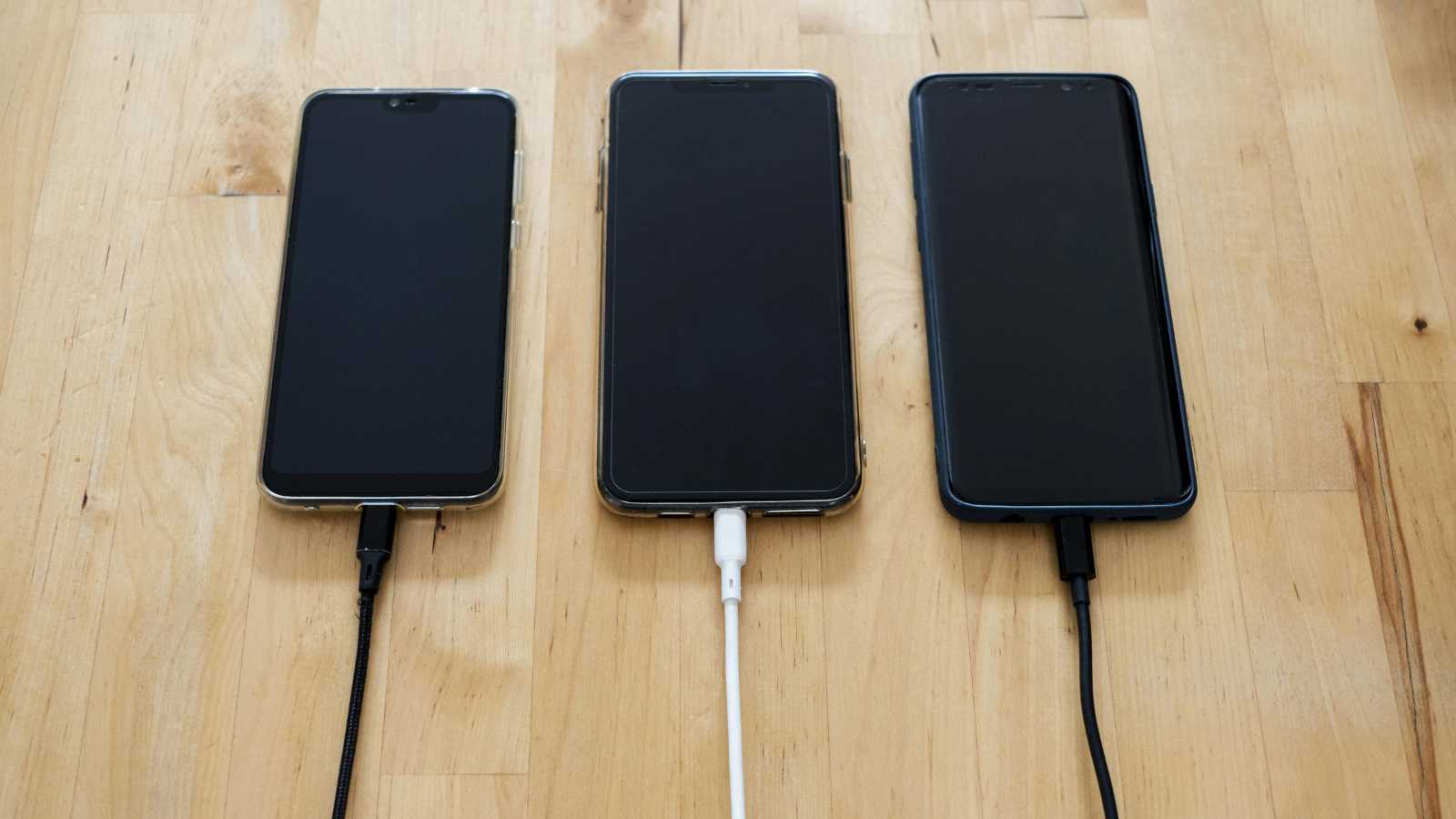
Personal preference is shifting toward experience over protection. Surveys show that about one in four U.S. smartphone owners now go caseless, motivated by aesthetics and the tactile feel of premium materials. Manufacturers invest billions in design, with the global smartphone design market valued at USD 18.5 billion in 2024, underscoring the importance of finishes meant to be touched and seen.
Deloitte’s consumer research shows that younger users, in particular, prioritize design authenticity over accessories. I found that using a bare phone made me appreciate its weight, texture, and build quality daily. Risk remains, but the improved experience makes it worthwhile, explaining why more people are ditching cases.
Disclaimer: This list is solely the author’s opinion based on research and publicly available information. It is not intended to be professional advice.
Like our content? Be sure to follow us.





