Real estate experts say these eight common items are silently sabotaging your home sale, and getting rid of them could make all the difference.
Selling a house is a psychological game where you have seconds to make an impression. If your home feels personalized or dated, buyers will deduct value or move on to the next listing.
The goal is to remove friction points that stop a buyer from falling in love with the property. By ruthlessly editing these eight items, you can decrease the time your property sits on the market. Creating a neutral canvas allows buyers to envision their own lives in the space.
Personal Photographs And Memorabilia

It is natural to want to display your family memories, but for a buyer, these items are a major distraction that prevents emotional connection. When a buyer sees your wedding photos or your children’s diplomas, they are reminded that they are walking through someone else’s house rather than their future home. Depersonalizing the space is crucial because it helps buyers project their own family and lifestyle onto the blank slate you provide.
The statistics back up the need for this emotional detachment strategy. According to the National Association of Realtors 2023 Profile of Home Staging, 81 percent of buyers’ agents said staging a home made it easier for a buyer to visualize the property as a future home. Packing away these personal items is the first step in transferring ownership mentally.
Heavy Curtains And Blinds
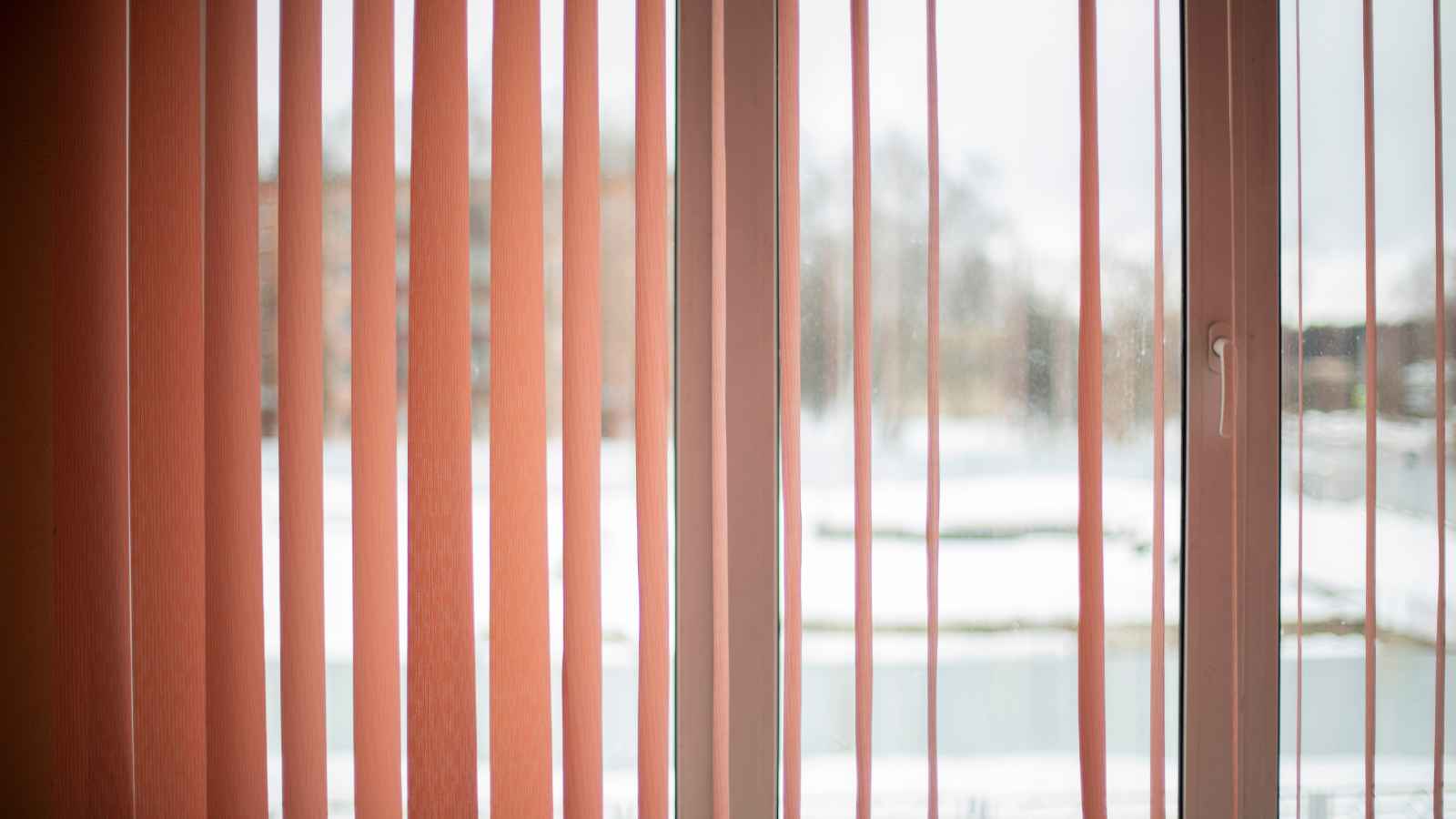
Natural light is one of the most sought-after features in any home, and thick window treatments block this vital asset. Dark, heavy drapes can make a room feel smaller, dustier, and more closed-off than it actually is. Removing these coverings to let the sun pour in is one of the cheapest and most effective ways to make your square footage feel expansive.
Lighting is a major financial driver in the real estate market. Natural light as the top feature buyers want. Keep the windows bare or use sheer panels to maximize this universal appeal.
Excess Kitchen Appliances

Counter space is premium real estate, and a toaster or blender crowding the surface suggests a lack of storage. You want to showcase the workspace, not a collection of gadgets. Clearing counters signals to the buyer that the kitchen is spacious and organized.
The kitchen often sells the house, so its presentation is critical. A report from the National Association of Realtors found 96 percent of agents recommend decluttering as a top task. Hiding the air fryer is a small task that yields a big visual return.
Old Area Rugs

Rugs often hide scratched floors, but they can also make a room look choppy and small. Worn rugs trap odors and give an impression of uncleanliness during open houses. Revealing the flooring underneath usually makes the room flow better and feel cleaner.
Buyers are highly sensitive to condition. Opendoor’s 2024 Real Estate Trends Report finds that 77 percent of buyers prioritize a move-in-ready home that feels open over one that requires work. Removing visual barriers, such as rugs, helps create the desired open feel.
Artificial Plants

Save this article
Fake greenery is a dust magnet that instantly dates a home and makes it feel cheap. While you might think they add life, they often communicate neglect to a modern buyer. Swapping these for fresh flowers creates a much more polished and high-end atmosphere.
Experts advise that anything suggesting a home is tired needs to go. Artificial ivy or dusty ficus trees are relics of past design trends. Removing them instantly updates the room’s look without costing the homeowner a dime.
Political Or Religious Decor

You never know what a person’s beliefs are when they walk through your door, and polarizing content can alienate buyers. A home sale is a business transaction, and you want to appeal to the widest possible demographic. Neutral decor prevents buyers from being distracted by personal beliefs.
The goal is to create an environment where everyone feels comfortable. Buyers have a hard time separating the house from the seller if the seller’s personality is too loud. Keeping walls and shelves neutral allows the property’s architectural features to speak for themselves.
Oversized Or Bulky Furniture

A living room filled with massive recliners can make even a large room feel claustrophobic. Real estate pros recommend removing at least one major piece of furniture from every room. Thinning out your collection allows buyers to see the full potential of every square foot.
Space is a luxury that buyers are willing to pay for. According to a 2024 report by the National Association of Home Builders, openness remains a top priority for modern buyers. If a piece of furniture blocks a natural walking path, it simply has to go.
Pet Items And Odors

Pet evidence can be a dealbreaker for buyers who are allergic or concerned about hidden damage. Stinky litter boxes and stray toys suggest that the home has been lived in a bit too hard. A deep clean and removal of all pet items are essential for a fresh feel.
Even pet lovers do not want to buy your pet’s specific odors. A 2025 Zillow survey found that pet odors were among the top three negative smells that cause buyers to walk away. Neutralizing the home’s scent is just as important as the visual staging.
Key Takeaway

Selling your home quickly requires a shift from homeowner to savvy salesperson. By removing these eight sabotaging items, you eliminate the mental hurdles that prevent buyers from making an offer. The fewer of you there are in the house, the easier it is for a buyer to see their own future there.
Disclaimer: This list is solely the author’s opinion based on research and publicly available information. It is not intended to be professional advice.
Like our content? Be sure to follow us.