

For much of the twentieth century, potlucks were more than just meals—they were social events built around a familiar cast of homemade dishes. Church suppers, family reunions, neighborhood picnics, and holiday gatherings often featured the same recipes passed from kitchen to kitchen and generation to generation.
Many of these dishes reflected the food trends of their time. Convenience ingredients such as canned soup, gelatin, processed cheese, whipped topping, and boxed mixes were celebrated as modern innovations that made cooking easier and more affordable.
Today, changing tastes, greater access to fresh ingredients, evolving nutrition priorities, and a growing interest in global cuisines have transformed what people bring to shared meals. While some classic potluck favorites remain beloved, others have largely disappeared from buffet tables.
Here are 10 potluck dishes that once seemed to show up everywhere but are now surprisingly hard to find. And in some cases, thankfully for that matter…
Rumaki
This appetizer was the height of sophistication in the 1950s and 60s. It consisted of chicken livers and water chestnuts wrapped in bacon and marinated in soy sauce. While bacon remains popular, the taste for organ meat has plummeted.
Data from the USDA Economic Research Service show that per capita consumption of organ meats, such as liver, has dropped significantly since the 1970s as consumers shifted toward muscle cuts like chicken breast.
Ambrosia Salad
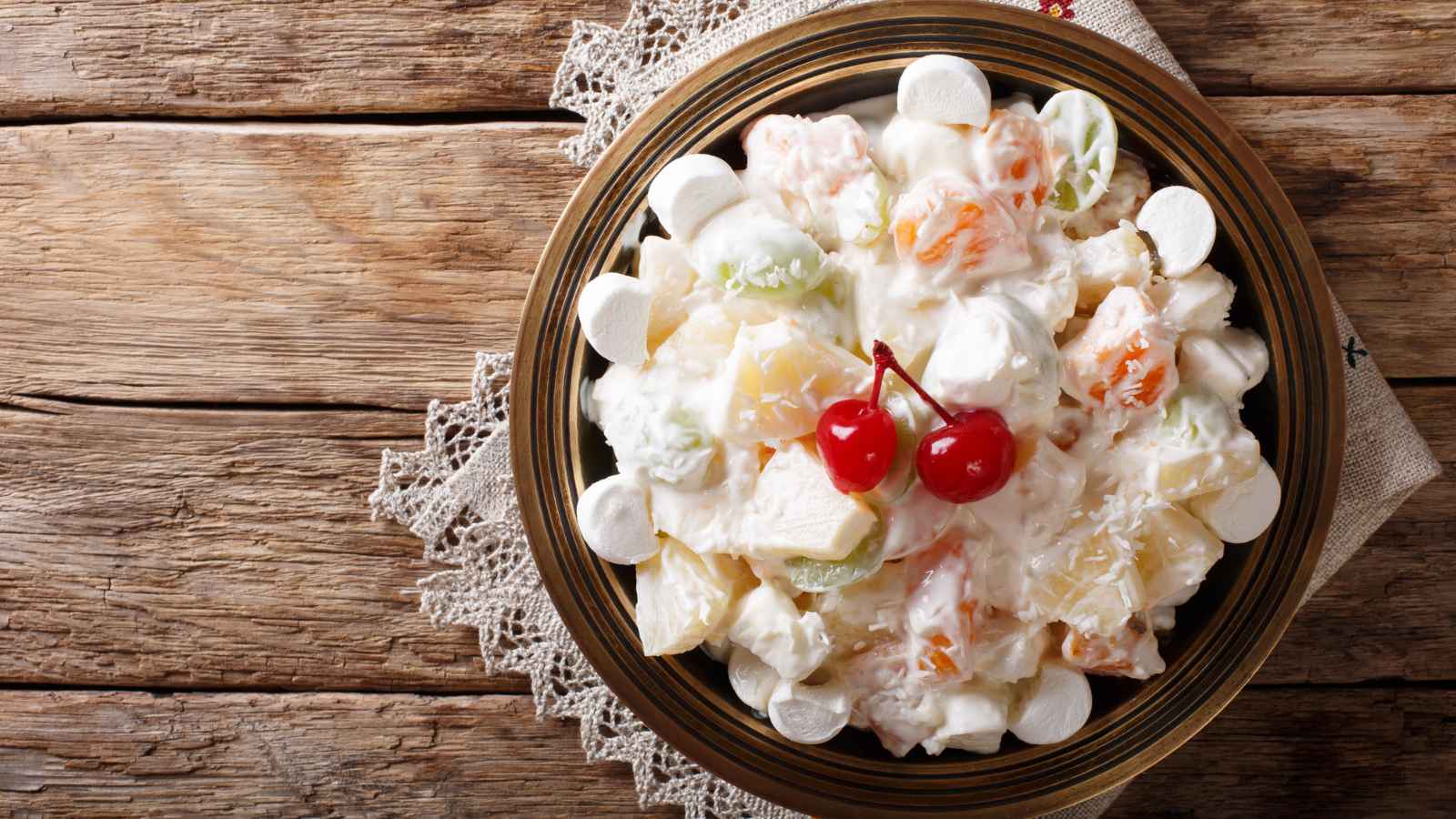
Technically a dessert, but often served as a side dish, this mixture contained canned mandarin oranges, pineapple, coconut, and marshmallows. It was usually bound together with sour cream or whipped topping.
The shift away from canned fruit to fresh produce contributed to its demise. Industry reports indicate that the canned fruit market has seen a steady decline as consumers prioritize fresh, health-conscious options.
The Cheese Log
Before charcuterie boards took over the world, there was the cheese log. This cylinder of processed cheese was often rolled in walnuts or paprika and served with Ritz crackers. It was a budget-friendly option for hosts, but it lacked the variety of modern cheese spreads.
Research by the International Dairy Deli Bakery Association shows a massive surge in specialty and artisanal cheese sales, pushing processed cheese logs out of the spotlight.
Watergate Salad
Similar to Ambrosia, this “salad” was a staple at picnics. It featured pistachio pudding mix, canned pineapple, whipped topping, and marshmallows. The reliance on instant pudding mix and artificial coloring has made it less appealing.
A Mintel report on baking and dessert mixes finds that sales of dry mixes have stagnated, as consumers perceive them as overly processed and unhealthy.
Porcupine Meatballs
These meatballs got their name from the white rice grains that would poke out of the meat as they cooked. They were typically simmered in a tomato soup reduction. The move away from this dish is linked to a broader reduction in red meat consumption among health-conscious diners.
A Gallup poll found that nearly one in four Americans reported eating less meat in recent years, which impacts the popularity of meat-centric potluck dishes.
Three-Bean Salad
This dish was a fixture at every summer barbecue for thirty years. It consisted of canned kidney beans, green beans, and wax beans, marinated in a sugar-and-vinegar dressing. The taste was often cloyingly sweet.
The shift toward fresh vegetables is supported by industry data showing a consistent year-over-year increase in fresh vegetable sales, while canned vegetable purchases decline.
Tuna Noodle Casserole

This hot dish was a weeknight savior and a potluck filler for decades. Made with canned tuna, egg noodles, and a can of cream of mushroom soup, it was often topped with crushed potato chips. Its decline mirrors the drop in condensed soup sales.
Campbell’s Soup Company has reported years of declining sales in its condensed soup division, as younger generations prefer fresh soups or scratch-cooking.
Molded Salmon Mousse
The mid century obsession with molds extended to seafood as well. Canned salmon was mixed with gelatin, mayonnaise, and celery, then set in a fish-shaped mold. The visual of a jiggly fish is unappetizing for modern diners. This dish’s disappearance aligns with the rise in availability of fresh seafood.
The National Fisheries Institute reports that Americans are consuming more fresh and frozen seafood than ever before, leaving canned salmon behind.
Save this article
Creamed Onions
Small pearl onions, served in a heavy white sauce, were once a mandatory side dish at holiday potlucks. The preparation was labor-intensive, and the dish was extremely rich. Culinary trends have shifted heavily toward roasting vegetables to highlight natural flavors.
A study in the Journal of Sensory Studies found that modern consumers prefer crisp textures and roasted flavor profiles over the soft-boiled textures common in mid-century vegetable dishes.
Dried Beef Dip
This salty appetizer was made with jarred dried beef cream cheese and sour cream. It was typically served hot in a chafing dish. The high sodium content of dried beef has made it a pariah in modern diets.
The Centers for Disease Control and Prevention has led extensive campaigns to reduce sodium intake, which has influenced shoppers to leave products like jarred dried beef on the shelf.
Key Takeaway
Food trends act as a time capsule for the era in which they were created. These dishes tell a story of convenience and ingenuity during a time when processed foods were seen as modern miracles. While they may not suit our current tastes, they remain an important part of our culinary history.
More articles:
- 10 antioxidant-rich foods that support immune defense
- Why yogurt and fruit may be one of the smartest snacks for long-term health & decreasing belly fat
- 12 reasons carrot juice should be part of your daily routine
Disclosure: This article was developed with the assistance of AI and was subsequently reviewed, revised, and approved by our editorial team.
Like our content? Follow us on Newsbreak.
Common spices linked to colon cancer prevention

In the quiet routine of seasoning a meal, you may be adding small, powerful defenses against one of the most common cancers.
Your spice rack might actually be hiding some powerful health benefits. It turns out that a handful of common pantry staples pack a serious punch against serious illnesses. Medical researchers are looking closely at how everyday seasonings can fight back against cellular damage in the digestive tract. Learn more.
12 ways extreme heat can change the way your body handles coffee

In places where the air no longer cools after sunset, even something as routine as coffee can feel like a different choice.
Your morning cup is still part of many people’s daily rhythm, but in hotter regions, extreme heat can change how the body responds to it. Across parts of the American Southwest, sustained high temperatures and longer heat waves have made hydration and heat stress more important factors in everyday habits. Learn more.
The key to better sleep and steady energy might come down to one mineral missing in your diet

Most people focus on getting more energy during the day and better sleep at night, but one key nutrient plays a role in both.
Magnesium supports muscle function, nerve signaling, and sleep regulation, yet many people don’t get enough of it through their daily diet. Health experts note that even mild deficiencies can affect rest, recovery, and overall well-being. Learn more.





