

Snap a selfie with a wild animal, and you might get more than likes; you could get fined, arrested, or even sued. It might seem harmless to pose next to a cute critter while on vacation or hiking, but in some cases, it’s flat-out illegal.
Federal law protects a surprising number of animals in the U.S., and that protection doesn’t stop at poaching. Touching, harassing, or even getting too close for a selfie can get you in serious trouble. If you’re caught, penalties can include thousands of dollars in fines or even jail time.
Bald Eagles

The Bald and Golden Eagle Protection Act is a federal law that makes it illegal to harass, disturb, or interfere with bald eagles in any way, including unintentionally. Even taking a seemingly harmless close-up selfie with one of these protected birds could result in serious consequences, including a fine of up to $100,000 or a prison sentence of up to one year.
Hawaiian Monk Seals

There are currently approximately 1,600 Hawaiian monk seals remaining in the wild, making them one of the most endangered marine mammal species in the world. They are protected under two major federal laws: the Marine Mammal Protection Act and the Endangered Species Act, which impose strict penalties for harming or disturbing them. Fines for violations can reach as high as $50,000, and beyond the legal consequences, public opinion is strongly against any actions that threaten these critically endangered animals.
Sea Turtles

You spot one basking on a Florida beach and instinctively reach for your phone, thinking, “Perfect photo op!” But before you get any closer, think again. Sea turtles are protected under federal law, and even the simple act of touching, approaching too closely, or blocking their path is classified as harassment. Human interference with sea turtles may trigger federal investigations, underscoring the seriousness with which these violations are taken.
Manatees

These slow-moving sea cows may appear gentle and approachable, often floating peacefully near the surface, but don’t be tempted to reach out or interact with them physically. Manatees are classified as a threatened species and are strictly protected under the Endangered Species Act, which makes it illegal to touch, harass, or disturb them in any way. Even if your intention was simply to take a photo or gain attention on social media, the law does not make exceptions. Both state and federal authorities take these violations seriously, and you could face substantial penalties or legal consequences for any unauthorized contact.
Grizzly Bears

Even if you’re standing far away, attempting to take a photo of a grizzly bear can still be considered illegal under federal law. In U.S. national parks, it’s against the rules to deliberately approach bears, and park rangers strictly enforce this regulation to protect both visitors and wildlife. While grizzly bears might appear powerful and awe-inspiring, they are wild animals, definitely not companions for your vacation selfies.
Wild Horses of Assateague

The horses may appear to roam freely along the scenic beaches of Assateague Island, creating the perfect photo opportunity, but that doesn’t mean people are allowed to approach them. These wild animals are legally protected, and it is strictly prohibited to touch, feed, or disturb them in any way. These horses may look calm or friendly from a distance, but they have a well-documented history of biting and kicking, sometimes causing serious injuries. The risk isn’t worth it, whether you’re hoping for a great photo or just curious.
Alligators

Save this article
In Louisiana and Florida, alligators are legally protected, and any form of harassment, including attempting to feed, provoke, or approach them for photos or videos, is considered a serious offense that can result in fines or legal action. These wild reptiles aren’t props for your social media posts or content.
Bison

Although bison may appear slow and docile at first glance, they are capable of sprinting at speeds up to 35 miles per hour and have caused serious injuries to dozens of people in various national parks across the United States. At Yellowstone and many other parks, it is illegal to approach a bison any closer than 25 yards due to the danger they pose. Despite these rules, park officials must frequently remind visitors with a firm warning: “That’s not a pet. That’s a wild animal.”
Wolves

Wolves are federally protected in many parts of the U.S., especially under the Endangered Species Act. In protected zones, simply following a wolf for a photo can be considered harassment. Wolves are naturally shy, and stressing them out can disrupt entire packs.
Sea Otters

They’re incredibly adorable, often seen floating peacefully on their backs, and with their soft fur and gentle expressions, they resemble living stuffed animals, but despite their cute appearance, sea otters are federally protected marine mammals. Approaching, touching, or disturbing one in any way is not only discouraged but can also lead to serious consequences, including hefty fines and potential legal charges under wildlife protection laws.
Disclaimer – This list is solely the author’s opinion based on research and publicly available information. It is not intended to be professional advice.
How Total Beginners Are Building Wealth Fast in 2025—No Experience Needed

How Total Beginners Are Building Wealth Fast in 2025
I used to think investing was something you did after you were already rich. Like, you needed $10,000 in a suit pocket and a guy named Chad at some fancy firm who knew how to “diversify your portfolio.” Meanwhile, I was just trying to figure out how to stretch $43 to payday.
But a lot has changed. And fast. In 2025, building wealth doesn’t require a finance degree—or even a lot of money. The tools are simpler. The entry points are lower. And believe it or not, total beginners are stacking wins just by starting small and staying consistent.
Click here and let’s break down how.
5 Easy Steps to Change Any Habit
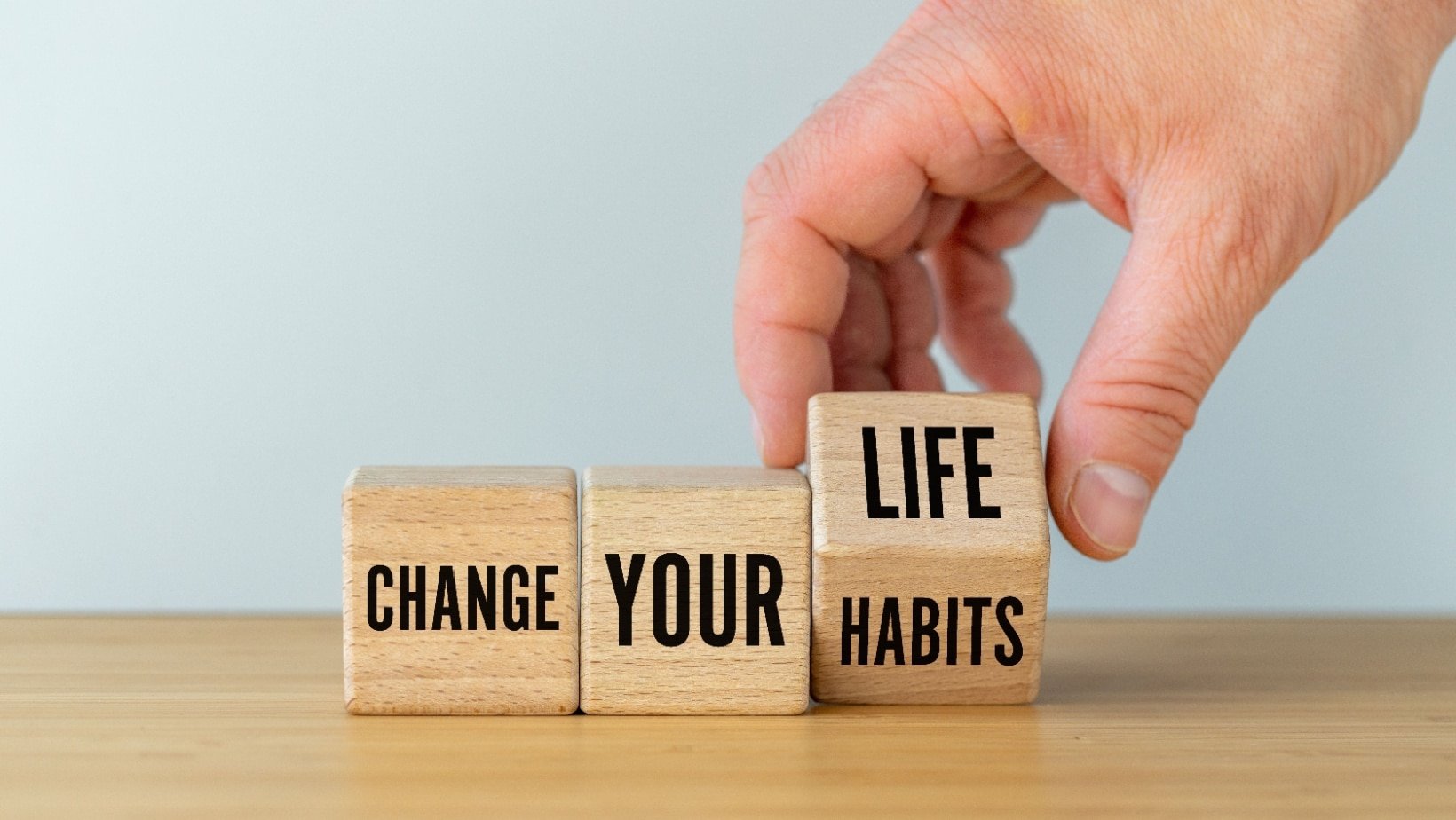
5 Easy Steps to Change Any Habit
We all click on them with the hope that just THIS time the secret to changing a bad habit or adopting a healthy one will be revealed and we’ll finally be able to stick to that diet, stop that one or ten things that might in the moment make us feel temporarily good but really just make us fat, unhealthy, sad, mad or just frustrated with ourselves.