

A wet patch on a pillow is one of those small signs people usually notice, laugh about, and quickly forget. But that overnight detail is tied to some of the body’s most basic functions, including how we swallow, breathe, and manage saliva while asleep.
Drooling during sleep is common and often harmless, though medical sources say frequent or excessive drooling can sometimes accompany swallowing issues, medications, breathing problems, or other health conditions.
Recent modeling estimates that about 83.7 million U.S. adults may have obstructive sleep apnea, placing sleep-related concerns at the center of a broader conversation about how people understand their health.
A little saliva on a pillow can reveal a surprisingly complex picture of what the body is doing when no one is watching.
Why People Drool While They Sleep
The simple explanation is that sleep changes how the body handles saliva and swallowing.
The body doesn’t stop producing saliva at night, but people swallow less often while sleeping than when they are awake. If saliva collects while the mouth is open, it can eventually escape.
The way someone sleeps can also make a difference. People who sleep on their side or stomach may notice more drooling because gravity makes it easier for saliva to move out of the mouth.
Breathing patterns matter too. When congestion, allergies, infections, or other issues make nasal breathing harder, some people breathe through their mouths during sleep, which can increase the chance of saliva leaking out.
It is a normal bodily function that happens quietly and is often discovered only after the fact.
When Drooling May Point To Something Else
Frequent or excessive drooling becomes more meaningful when it appears alongside other changes in the body.
Medical sources use the term sialorrhea for excessive drooling, which can involve difficulty controlling saliva or swallowing. In some cases, it is connected to conditions that affect the muscles and coordination involved in those processes.
Neurological conditions associated with excessive drooling include stroke, Parkinson’s disease, amyotrophic lateral sclerosis, cerebral palsy, and multiple sclerosis.
There are also less obvious contributors. Certain medications, acid reflux, infections or allergies that cause congestion, dental issues, and pregnancy can also contribute to excessive drooling.
Drooling alone does not confirm a medical condition. Doctors consider the full picture, including whether the symptom is new, persistent, severe, or accompanied by other concerns.
Save this article
The Sleep Breathing Connection
Drooling can appear alongside breathing issues during sleep, but it is not a reliable test for identifying a sleep disorder.
Obstructive sleep apnea has become one of the most discussed sleep conditions connected to breathing. The disorder involves repeated interruptions of breathing during sleep, and some people with breathing difficulties may sleep with their mouths open.
Recent modeling estimates that about 83.7 million U.S. adults may have obstructive sleep apnea. Common signs include loud snoring, gasping or choking during sleep, nighttime awakenings, and daytime sleepiness.
While mouth breathing may make drooling more likely, medical sources do not consider drooling alone a reliable indicator of sleep apnea.
Related: How Sleep, Stress, and Diet Affect Your Sexual Energy
The Question Doctors Still Cannot Answer
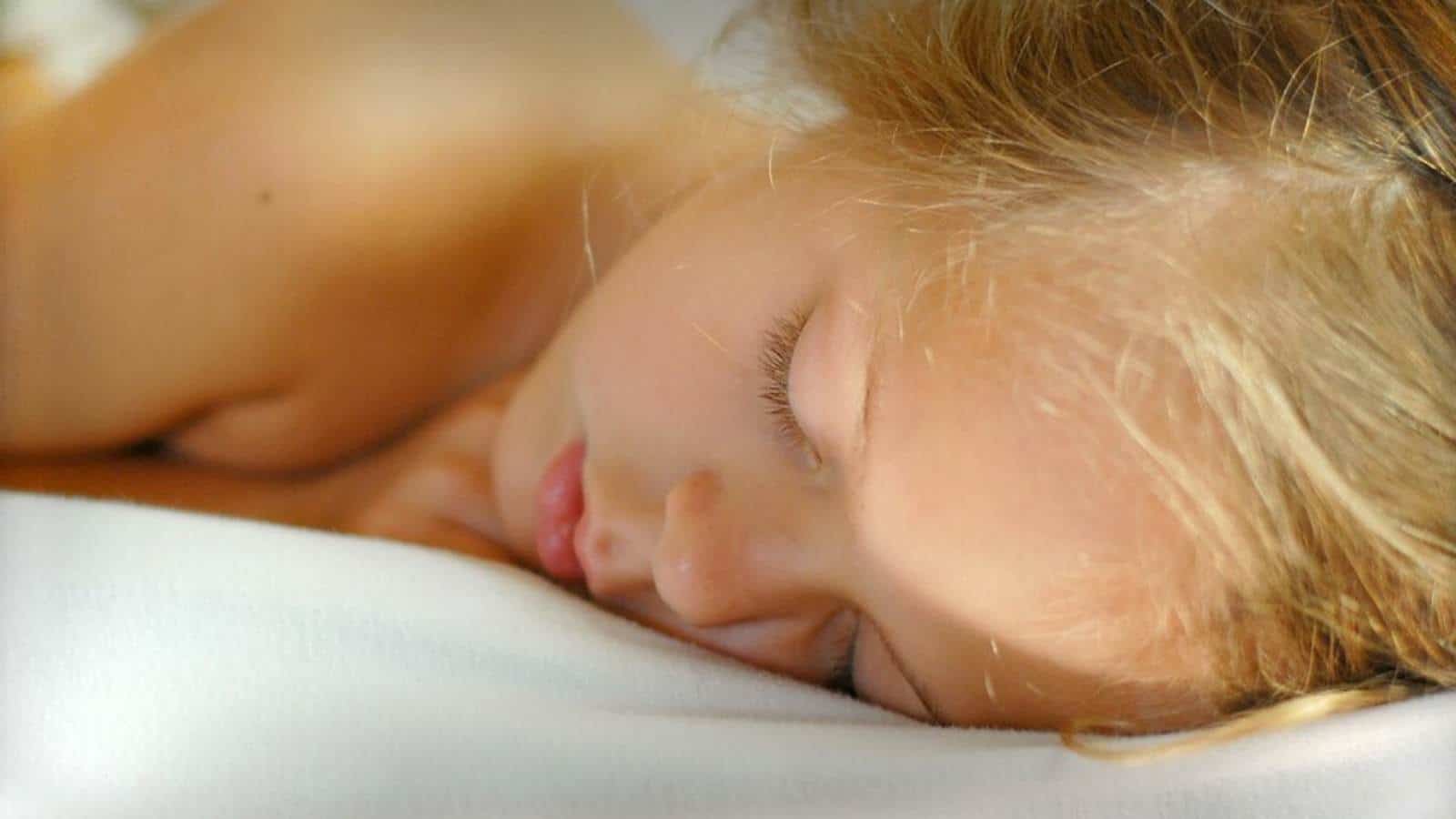
No clear line still separates normal nighttime drooling from drooling that may need medical attention.
Medical sources describe many possible causes of drooling. Still, information is limited on how much drooling is typical among healthy adults or how often it occurs in the general population.
A wet pillow after sleep does not, on its own, reveal whether someone has a health problem. The significance depends on patterns, changes over time, and whether other symptoms appear.
That uncertainty is why medical discussions focus less on one isolated moment and more on what else is happening.
Why A Small Sleep Habit Holds Our Attention
Drooling reminds us that even the quietest parts of sleep involve complex work inside the body.
Sleep has long been a private part of daily life, but people have become increasingly interested in what happens during those hours when they are not awake to notice it. Behaviors such as snoring, teeth grinding, and drooling all offer small clues about processes that continue without conscious effort.
The fascination with a wet pillow is not really about the pillow. It is about the body’s ability to reveal information in ordinary ways.
A person may fall asleep unaware of everything happening beneath the surface, from breathing patterns to swallowing movements. Sometimes, the smallest signs make people pay closer attention.
What other quiet signals from your own sleep routine have you started noticing?





