

The strongest case for fruit and hair growth is not folklore but a pattern of evidence linking vitamin C, zinc, and antioxidants to healthier follicles over time.
Fruits will not resurrect a dormant follicle on their own. They do something quieter and more dependable. They supply vitamin C for collagen, iron absorption, and antioxidant defense. They deliver trace minerals like zinc that help regulate the hair growth cycle. They offer plant compounds that shield follicles from oxidative stress and inflammation.
As dermatologists and nutrition researchers repeatedly note, hair responds best to patterns, not miracles. Within a nutrient-dense diet, fruit becomes part of the long work of growing stronger strands.
Indian Gooseberry (Amla)
In Ayurvedic medicine, amla has been rubbed into scalps and boiled into oils for centuries, long before biochemistry put language to its effects. A pharmacological review published in the Journal of Ethnopharmacology describes Indian gooseberry, Emblica officinalis, as a traditional hair tonic, noting that fixed oil from the fruit has long been used to strengthen hair and promote growth, while dried fruit was used to improve hair hygiene. This is not folklore alone but a record of sustained use that modern science has begun to interrogate.
What stands out nutritionally is amla’s extraordinary vitamin C content and antioxidant profile. Vitamin C supports collagen production in the scalp and protects follicles from oxidative damage, mechanisms repeatedly highlighted in dermatology and nutrition literature. In this way, amla bridges ancient practice and modern pharmacology, offering a model of how traditional foods often anticipate contemporary science.
Pomegranate
Pomegranate carries its promise openly in color. The deep ruby hue signals a dense concentration of polyphenols, compounds that plants produce for protection and humans borrow for resilience. A scientific screening study published in the Journal of Ethnopharmacology examined alcoholic and aqueous extracts of Punica granatum and found that both showed promising hair growth promoting activity in experimental models, a rare instance where a culinary fruit crosses into laboratory hair research.
Cosmetic science literature frequently highlights pomegranate for its antioxidant capacity, particularly its ability to neutralize oxidative stress in hair and scalp tissues. While eating the fruit is not equivalent to applying a concentrated extract, the research supports a broader truth. Antioxidant-rich diets help create an internal environment where follicles are less burdened by chronic inflammation and oxidative wear.
Jamun (Java Plum)
Jamun rarely appears in glossy wellness lists, yet its scientific résumé is unexpectedly strong. An experimental study investigating Eugenia jambolana found that ethanolic extract of the fruit pulp significantly promoted hair growth, improving hair initiation time, completion time, length, and total hair count. The findings were published in a peer-reviewed pharmacological journal and offer rare specificity in hair growth metrics.
Notably, researchers observed that the pulp extract was more potent than the seed extract, suggesting that the edible portion contains bioactive compounds relevant to follicle stimulation. While these results come from experimental models rather than human trials, they position jamun as a fruit worth reconsidering, especially in regions where it is already part of the seasonal diet.
Citrus Fruits
Citrus fruits operate through a mechanism both simple and profound. Vitamin C deficiency has long been associated with fragile hair and hair loss, a relationship emphasized in dermatologist-led articles and clinical nutrition texts. Oranges, lemons, and grapefruits supply vitamin C, essential for collagen synthesis, which strengthens the structural integrity of hair shafts and the connective tissue supporting follicles.
Grapefruit adds another layer. Dermatology and cosmetic science sources note that its citric acid helps exfoliate the scalp, restore its naturally acidic pH, and provide antioxidant protection against environmental stress. Citrus, therefore, works in two directions: nourishing internally through diet and supporting scalp health externally through its acids, a dual role rarely acknowledged in everyday nutrition advice.
Berries
Berries are small but rhetorically loud. Dermatologist-authored hair care resources highlight strawberries for their vitamin C content, which enhances iron absorption, a critical process since iron deficiency is a well-established contributor to hair shedding. The same sources note strawberries provide vitamin B5, a nutrient associated with reduced hair loss.
Blueberries, blackberries, and raspberries deepen the case. Blueberries contain proanthocyanidins, plant compounds studied for their potential to stimulate hair follicles, while blackberries and raspberries supply zinc, a mineral essential for normal hair cycle progression, according to hair loss clinic guidance. Nutrition research consistently frames mixed berries as antioxidant powerhouses that support collagen synthesis and help hair resist thinning associated with oxidative stress and aging.
Kiwi
Kiwi looks ornamental, but its nutritional profile is functional. Hospital nutrition guides frequently list kiwi among the most vitamin C-rich fruits, alongside strawberries and oranges, recommending them raw to preserve vitamin content. Vitamin C’s role in iron absorption and antioxidant defense gives kiwi a direct pathway to hair support.
In practical terms, kiwi offers density. A single fruit delivers a substantial portion of daily vitamin C needs without excess calories. In dietary patterns aimed at hair health, such efficiency matters. Hair growth reflects consistency over months, and compact nutrient sources help sustain that consistency without dietary fatigue.
Grapes
Grapes are often discussed in the language of longevity rather than hair, yet the overlap is significant. Skin and hair science articles describe grapes as rich in resveratrol and flavonoids, antioxidants that protect cells from oxidative damage and premature aging. Hair follicles, among the most metabolically active structures in the body, are particularly vulnerable to such damage.
Cosmetic science routinely incorporates grape seed extracts to protect hair color and reduce UV-induced damage. While eating grapes is not equivalent to topical application, both rely on the same biological logic. Antioxidants reduce the burden of environmental stressors, creating conditions in which hair fibers and follicles are less likely to weaken over time.
Avocado
Save this article
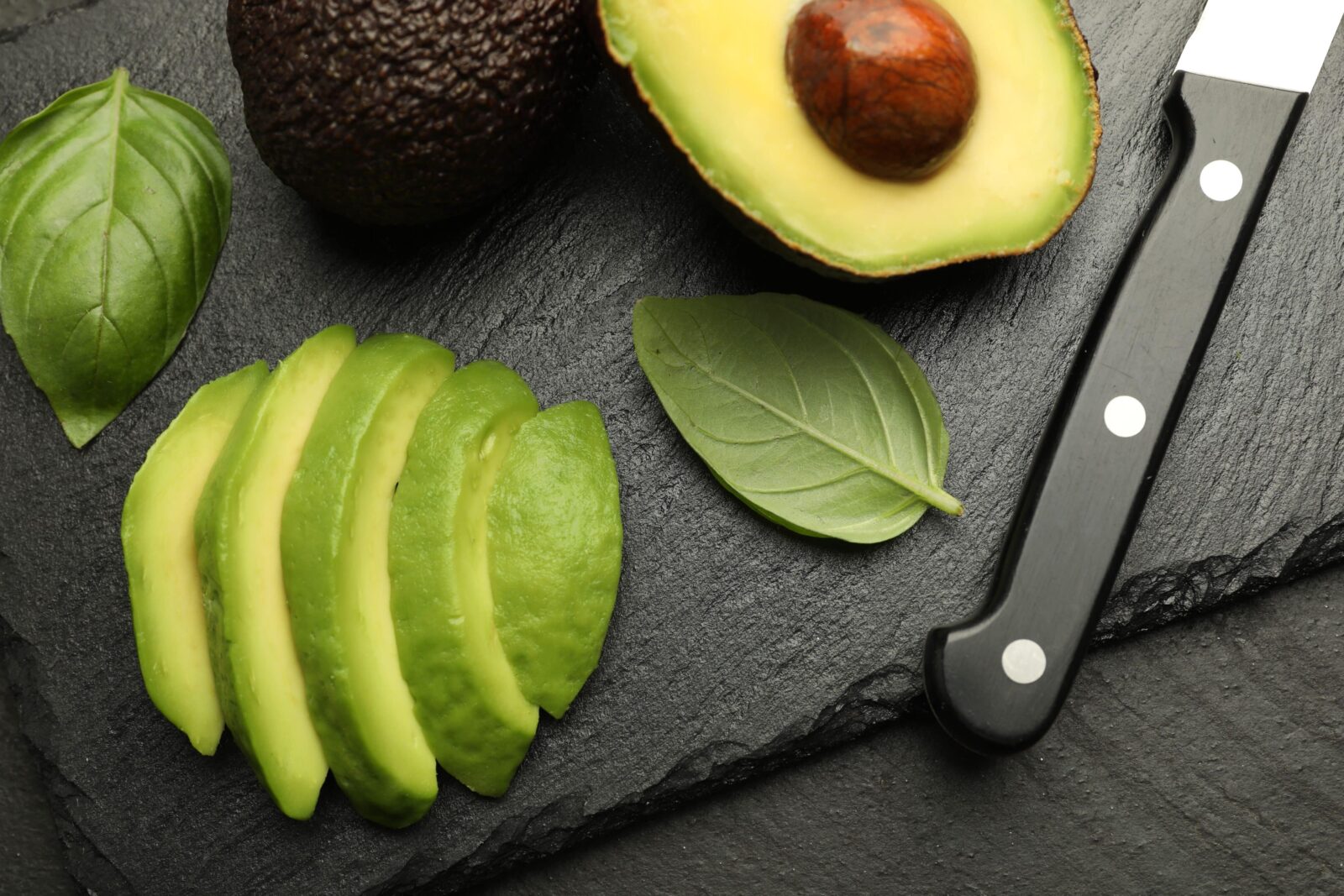
Avocado earns its reputation through fat, not sugar. Hair loss clinics frequently list avocados among zinc-rich foods that support normal hair cycle function. Zinc deficiency is associated with hair shedding, and even marginal insufficiency can disrupt follicle signaling.
Beyond minerals, avocados provide monounsaturated fats and vitamin E, nutrients often linked to scalp barrier integrity and moisture retention. A well-nourished scalp is less prone to dryness and breakage, conditions that do not cause hair loss outright but exacerbate its appearance. Avocado’s contribution is structural, supporting the environment in which hair grows.
Apricots
Apricots belong to a quieter category of hair foods, valued less for stimulation than for nourishment. Dermatologist-written articles recommend apricots for their essential fatty acids and vitamins that nourish the scalp, stimulate growth, and help prevent hair loss, particularly in dry hair and flaky scalp conditions.
These stone fruits are often positioned as practical foods rather than therapeutic ones. They support softness, manageability, and resilience, qualities that matter when hair lengthens. In hair care, preventing breakage is as important as promoting growth, and apricots speak to that preventative logic.
Bananas
Bananas are familiar to the point of invisibility, yet hair-focused articles note emerging research suggesting potential hair growth-promoting effects, mostly from non-human or early-stage studies. The evidence remains preliminary, but it is enough to warrant cautious curiosity rather than dismissal.
Nutritionally, bananas contribute potassium and B vitamins that support overall tissue health and hydration. These nutrients help manage dryness and breakage rather than directly stimulating follicles. In the context of hair health, bananas exemplify the everyday foods that quietly maintain the conditions required for stronger strands over time.
The Takeaway
Fruits, taken together, form a chorus rather than a solo. Their vitamins, minerals, and antioxidants work cumulatively, shaping the biological environment in which hair grows, rests, and sheds. When hair thrives, it rarely announces a single cause. It reflects a pattern of nourishment sustained long enough for follicles to remember what health feels like.
More articles:
- Common spices linked to colon cancer prevention
- Potato chips may be linked to higher colon cancer risk, here’s why
- 13 Superfoods for Digestive Health You Can’t Ignore
15 foods centenarians eat to live to 100
Living to 100 is less about rare genes and more about the everyday foods quietly shaping your health right now.
Reaching the age of 100 might seem like winning a genetic lottery to many people, but research suggests your grocery list plays a massive role. Those vibrant communities known as Blue Zones, where people frequently live past a century, rely heavily on what they put on their dinner plates. We have compiled a list of specific ingredients that act as fuel for a long, healthy life, without needing a magic potion. Learn more
10 foods with more blood pressure benefits than beets

Beets get all the credit for lowering blood pressure, but they’re far from the best option.
We have all heard the hype about beet juice being the miracle elixir for hypertension, and the science technically supports it. However, relying solely on beets is like patching a tire with duct tape because the effects are incredibly temporary and often vanish within a single day. While beets can offer a quick fix, they do not provide the sustainable, long-term support your cardiovascular system needs to stay stable. Learn more.
15 eating habits that can help improve hormone balance after 45

Hormones often feel like the wild card of midlife. In women past 45, hormone levels begin to fluctuate and can have an impact on things as varied as mood and metabolism. Do you know that the World Health Organization says most women experience menopause between the ages of 45 and 55 years?
This normal change reduces the amount of estrogen in your body and alters your physiology. It is estimated that approximately ¾ of women experience menopausal symptoms connected to the hormonal fluctuations that affect energy levels and weight. Learn more.





