

New data show that from the Rust Belt to the Delta, a cluster of U.S. cities is slipping further behind as poverty, population loss, and infrastructure decay converge in 2025.
The American map is dotted with towns that have fallen on hard times and struggle to recover. While many cities offer bright lights and big opportunities, others seem stuck in a cycle of economic hardship and gloom. Factors such as high unemployment rates, deteriorating infrastructure, and severe weather contribute to a sense of hopelessness among locals. You can feel the weight of these challenges just by driving through the empty streets.
Finding the right place to call home involves looking at more than just house prices or local schools. It means understanding the community vibe and knowing if the local economy can support your family’s needs. Some areas, unfortunately, rank low on happiness scales due to persistent crime or a lack of well-paying jobs. We examined the data to identify ten areas where the struggle is real.
New Orleans, Louisiana

The Big Easy is famous for its parties, but the party eventually ends, and reality sets in. Behind the parade routes lie neighborhoods struggling with crumbling infrastructure and a lack of reliable services. The veneer of fun conceals a city fighting for its life against nature and poverty.
Hurricanes pose a persistent existential threat, complicating long-term planning for homeowners. The high cost of insurance and repairs drives many people away from the city they love. It is a heartbreaking trade-off for the culture and spirit found here.
Gary, Indiana
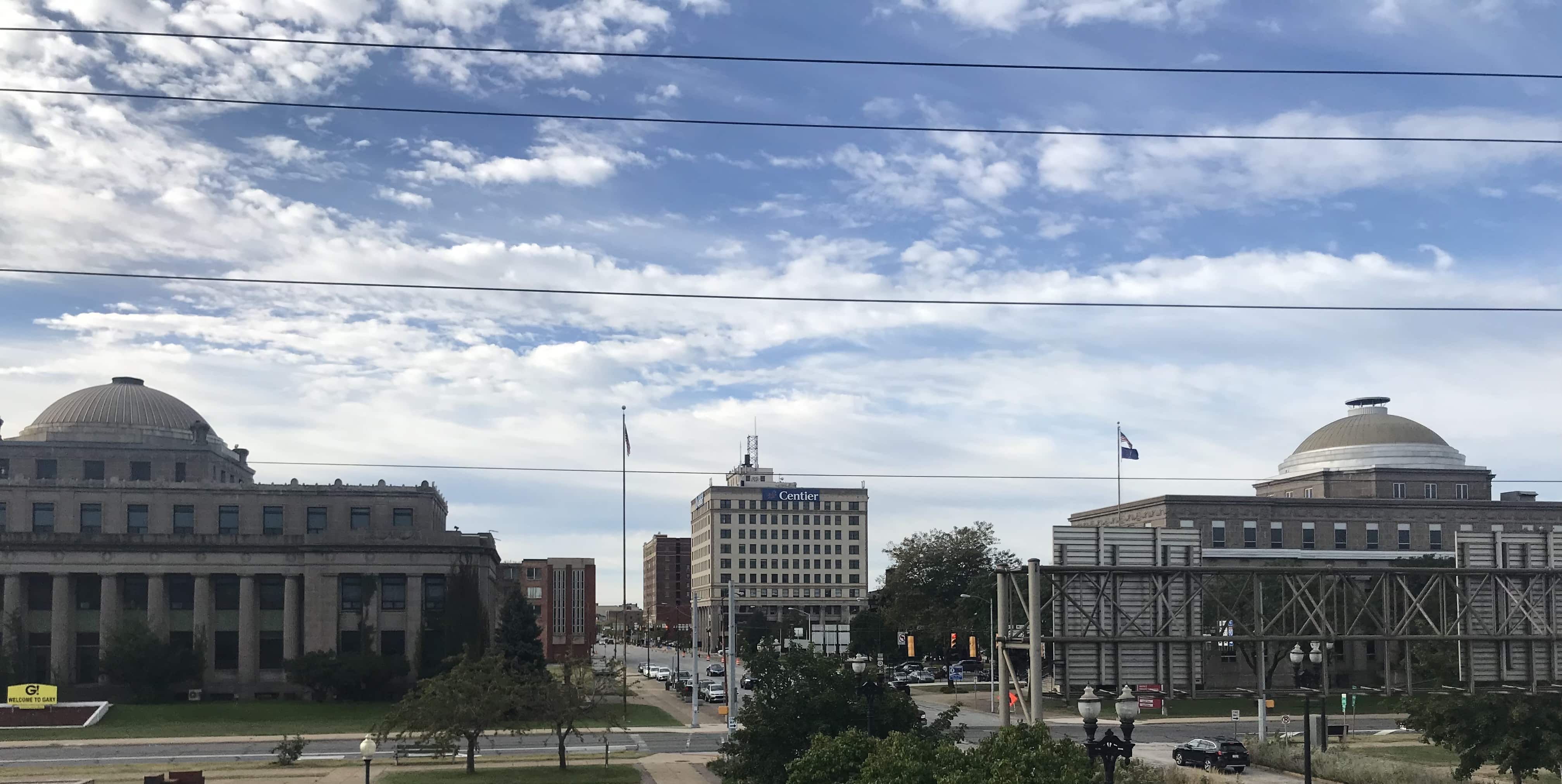
This city was once a booming steel town that served as a shining example of American industrial might. Today, it stands as a rust belt shadow of its former self, with abandoned buildings lining many major avenues. The loss of manufacturing jobs hit this community harder than almost anywhere else in the Midwest.
Residents here experience a quiet desolation that pervades the neighborhoods and affects daily life. DataUSA reveals a median individual income of $37,380 in 2023, highlighting the severe financial strain on households. It is a stark reminder of how quickly economic tides can turn against a city.
Pine Bluff, Arkansas

Located in the Arkansas Delta, this town has seen a steady exodus of residents over the last few decades. Between 2000 and 2023, the population declined by more than 29%, indicating a persistent downward trend that is difficult to reverse. People are leaving in search of better jobs and safer streets elsewhere.
The downtown area appears neglected, with many storefronts boarded up and very little daytime foot traffic. Those who remain often have deep roots but face limited opportunities for entertainment or career development. It is a place that appears to be in a pause while the rest of the world moves forward.
Port Arthur, Texas

This Gulf Coast city is surrounded by oil refineries that pump out fumes and dominate the skyline. Residents here must contend with the constant threat of hurricanes, which frequently damage homes and disrupt lives. The combination of industrial pollution and extreme weather creates a stressful environment.
Economic struggles are also a significant part of the narrative for families trying to make ends meet here. With a median household income of $45,752, residents face significant economic hurdles compared to national averages. It is a difficult situation for anyone seeking peace of mind or financial stability.
Detroit, Michigan

The Motor City is famous for its resilience and cultural contributions, but the numbers tell a complex story. According to The Detroit News, figures published in September 2024, 51% of Detroit children were living in poverty. This heartbreaking statistic casts a long shadow over the city’s efforts to revitalize.
While downtown areas are seeing some new life, the outer neighborhoods still struggle with blight and neglect. Locals often feel disconnected from the improvements happening in the city center. The gap between the haves and the have-nots creates a palpable tension.
Memphis, Tennessee

Save this article
Known for blues music and barbecue, this city also experiences high crime rates that keep residents on edge. Zebra Insurance reports that the city has a Wellbeing Index score of 58.50, the lowest among the major cities analyzed. Safety concerns often overshadow the city’s rich cultural history.
Walking around certain parts of town at night is generally not recommended for visitors or locals. The constant worry about personal safety takes a heavy toll on the mental health of the community. It is a place with soul but also with much sorrow.
Camden, New Jersey

Situated just across the river from Philadelphia, this city has long battled a reputation for danger and decay. A 2025 Camden County report indicates that 61% of households here spend a dangerous share of their income—over 30%—on rent. This leaves very little money for food, healthcare, or other necessities.
The high cost of housing relative to income traps many families in a cycle of debt and stress. Despite recent efforts at urban renewal, the daily reality for most residents remains highly challenging. It is a gritty fight for survival in a city that has seen better days.
Cleveland, Ohio

Winter here is long and gray, often stretching for months without a single glimpse of the sun. The weather alone is sufficient to dampen spirits, but economic stagnation exacerbates the situation. Many neighborhoods remain affected by the foreclosure crisis and have not yet recovered.
The local sports teams provide a distraction, yet they cannot fix the underlying structural issues. High poverty rates mean that many children grow up without access to the resources they need to succeed. It is a hardscrabble life for those who cannot afford to move away.
Birmingham, Alabama

This southern city experiences frequent heavy rainfall, which contributes to a generally gloomy atmosphere. The gray skies seem to mirror the economic depression that grips parts of the metro area. While the food scene is praised, it does not mask the deep inequalities.
Historical scars run deep here, and the city is still working through decades of social division. Depression rates among adults in the area are higher than in many other parts of the country. It is a place where history weighs heavily on the present.
Buffalo, New York

Heavy snowfall and biting winds characterize life here for much of the year. The isolation caused by extreme winter weather can lead to feelings of loneliness and cabin fever. You have to be tough to handle the climate and the economic reality.
Jobs are not as plentiful as they once were, and the population has shifted accordingly. With a median household income of approximately $48,050 in 2023, many families live paycheck to paycheck with little financial cushion. It is a cold place that requires a warm heart to endure.
Disclaimer – This list is solely the author’s opinion based on research and publicly available information. It is not intended to be professional advice.
Like our content? Be sure to follow us.
How Total Beginners Are Building Wealth Fast in 2025—No Experience Needed

How Total Beginners Are Building Wealth Fast in 2025
I used to think investing was something you did after you were already rich. Like, you needed $10,000 in a suit pocket and a guy named Chad at some fancy firm who knew how to “diversify your portfolio.” Meanwhile, I was just trying to figure out how to stretch $43 to payday.
But a lot has changed. And fast. In 2025, building wealth doesn’t require a finance degree—or even a lot of money. The tools are simpler. The entry points are lower. And believe it or not, total beginners are stacking wins just by starting small and staying consistent.
Click here, and let’s break down how.





