There’s something telling about the fact that so many of us now seek pleasure in a controlled burn.
Walk into almost any grocery store, restaurant or social media feed today and one thing becomes immediately clear. The world has developed a serious appetite for heat. Hot sauces now take up entire aisles. Restaurant menus boast escalating spice levels like badges of honor. Online videos show people voluntarily sweating, crying and gasping as they attempt increasingly fiery challenges.
This obsession is not limited to any one country or culture. From Korean fire noodles to Mexican chili oils to Indian ghost pepper snacks, spicy food has become a shared global language of flavor, thrill and identity. What makes this moment different from previous waves of interest in spicy food is how deeply it is woven into culture, entertainment and personal expression. Eating spicy food is no longer just about taste. It is about experience, community and pushing boundaries.
The Rise of Heat as a Cultural Trend

Spicy food has always existed, but its current popularity feels amplified in a way that goes beyond tradition. Heat has become a trend that signals adventurousness and confidence. Ordering the spiciest item on the menu is now a performance, one often shared publicly through photos or videos.
Restaurants encourage this behavior by creating tiered spice systems that challenge diners to climb higher and higher. The act of enduring intense heat has transformed into a form of entertainment, turning meals into memorable events rather than routine nourishment.
This trend also reflects a broader cultural shift toward boldness and intensity. Consumers increasingly seek experiences that stimulate all the senses. Mild flavors can feel underwhelming in a world saturated with content and choice. Spicy food cuts through that noise. It demands attention and leaves a lasting impression, which makes it perfectly suited for a culture that values immediacy and impact.
Social Media and the Performance of Pain
The explosion of spicy food culture would not be possible without social media. Platforms that prioritize video have turned spicy eating into a genre of its own. Viewers tune in to watch people react in real time to extreme heat, finding humor and fascination in the visible struggle. The appeal lies partly in relatability and partly in spectacle. Even those who would never attempt such dishes themselves enjoy witnessing the intensity secondhand.
This performance aspect reinforces the idea that spicy food is not just eaten but endured. Heat becomes a narrative. There is anticipation, escalation and resolution. This storytelling element makes spicy food highly shareable and emotionally engaging. Each reaction video or challenge adds to a collective conversation that encourages others to participate, if only to prove that they can handle it too.
Global Flavors Shaping Local Palates
Another reason for the surge in spicy food is the increasing influence of global cuisines. As people travel more and are exposed to diverse cultures through media, they become more comfortable with flavors that once seemed unfamiliar. Dishes rooted in heat are no longer niche or exotic. They are mainstream staples in cities around the world.
This exchange has reshaped local palates. Foods that were traditionally mild now incorporate chili pastes, hot oils or pepper blends inspired by other cultures. Fusion cooking thrives on spice because it acts as a bridge between culinary traditions. Heat adds excitement while allowing familiar dishes to feel new again. As a result, spicy food becomes a gateway to cultural exploration without requiring deep knowledge or commitment.
The Psychology of Chasing the Burn
The appeal of spicy food is deeply psychological. Capsaicin, the compound responsible for heat, triggers pain receptors in the mouth. The brain responds by releasing endorphins and dopamine, chemicals associated with pleasure and reward. This creates a paradox where discomfort leads to enjoyment. Over time, people learn to associate the burn with a positive emotional payoff.
Save this article
This process also explains why tolerance builds. As individuals eat spicy food more frequently, they crave stronger sensations to achieve the same rush. What once seemed unbearable becomes enjoyable, even comforting. For many, spicy food becomes a form of controlled risk taking. It offers danger without real harm, allowing people to test limits in a safe and socially acceptable way.
Restaurants Turning Heat Into Identity

Restaurants have embraced spicy food as a defining feature of their brand. Signature hot sauces and exclusive chili blends help establish uniqueness in a crowded market. Some establishments become known primarily for their heat levels, attracting customers eager to test themselves or impress friends. The menu itself becomes a challenge rather than a list of options.
This approach also fosters loyalty. Diners who conquer a restaurant’s spiciest dish feel a sense of achievement and belonging. They are more likely to return and recommend the experience to others. Heat transforms food into a story people want to tell, which is invaluable in an era driven by word of mouth and online sharing.
What This Obsession Says About Modern Eating
The love of spicy food reflects broader changes in how people relate to food. Meals are no longer just fuel. They are moments of self-expression and emotional release. In a fast paced and often stressful world, spicy food offers intensity and escape. It demands focus, pulling attention away from screens and worries, if only temporarily.
This obsession also signals openness. Embracing heat often requires stepping outside comfort zones and engaging with unfamiliar cultures. The popularity of spicy food suggests a growing willingness to explore and experiment. It celebrates resilience, curiosity and the joy of feeling something strongly, even if that feeling includes a little pain.
Where the Heat Trend Is Headed
As spicy food continues to evolve, the focus is shifting from sheer intensity to complexity. Diners increasingly appreciate layered heat that builds gradually rather than overwhelming instantly. Fermented chilies, smoked peppers and regional blends offer depth alongside burn. The future of spicy food is not just hotter but smarter.
This evolution ensures that the trend remains sustainable. While extreme challenges capture attention, everyday enjoyment depends on balance. As people refine their tastes, spicy food will continue to thrive not as a novelty but as an integral part of modern cuisine.
Vegetarian Hot and Sour Soup
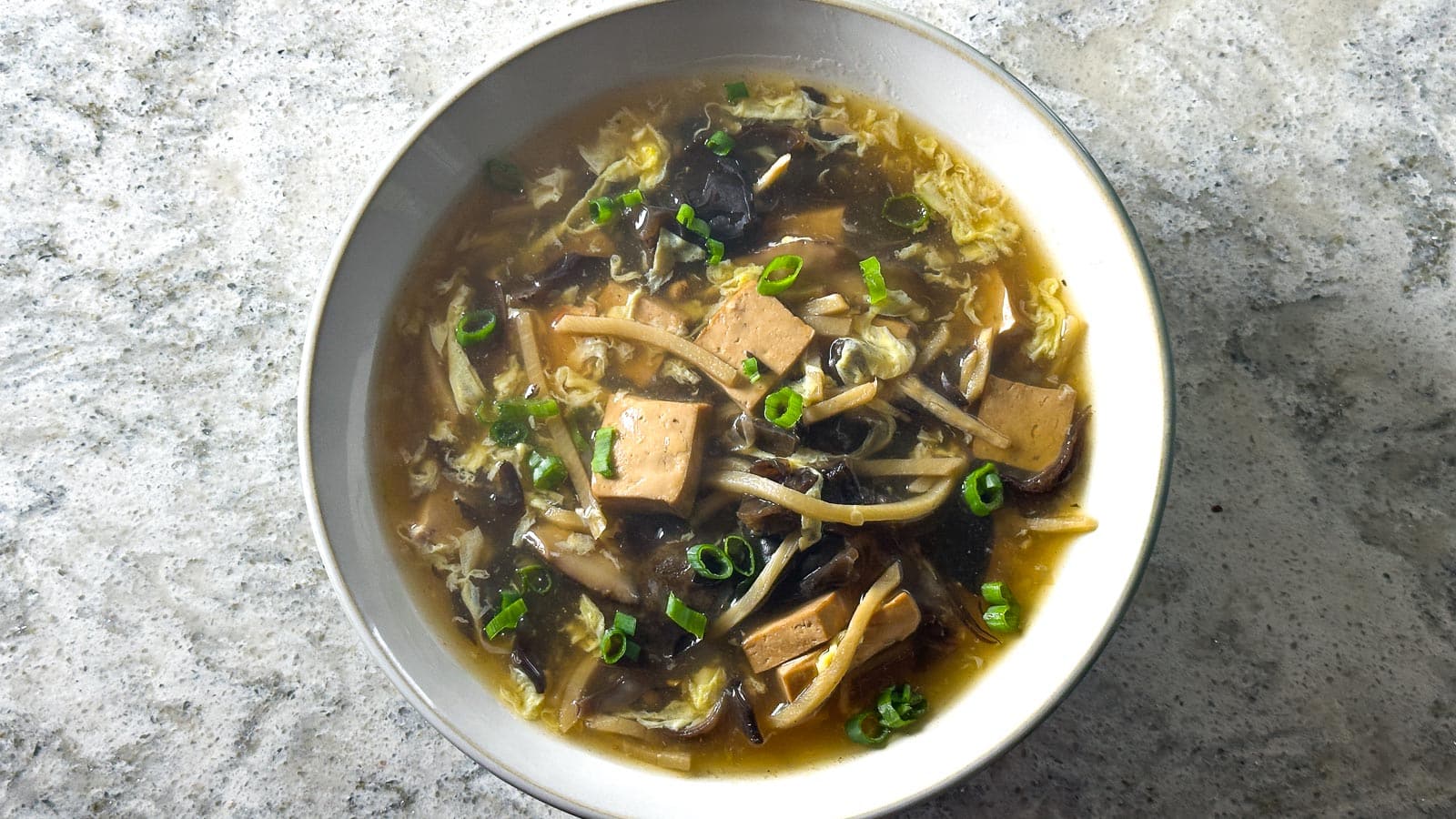
Hot and Sour Soup is the perfect combination of vegetable broth, loads of low mushrooms with satisfying chewy texture, bits of high protein tofu, and crunchy bamboo shoots. The flavor? That crave-able contrast and combo of hot and sour. Get the recipe.