

For Baby Boomers, food choices are driven as much by nostalgia as taste, with surveys showing a powerful preference for the family recipes and comfort dishes that defined their childhoods.
To know what really drives the Baby Boomer generation, all one has to do is look at their plates. Food has never been dinner to Boomers; food is an association with family, home, and good times. Boomers tend to gravitate toward foods that remind them of childhood meals and parties. Tenacious Plate polls indicate that 88% of Boomers prefer old family recipes, and many tend to stick with the ones they had as children.
The postwar development of American food culture was driven by the Baby Boomer generation, which gave rise to numerous traditional dishes we still admire. Comfort foods such as meatloaf and casseroles have become more than just meals today; they are also cultural artifacts. Statistics indicate that nostalgia influences the types of food Boomers consume, particularly in stressful situations. We will discuss a dozen favorite foods that most Boomers can hardly resist, from breakfast dishes to desserts.
Meatloaf
Meatloaf is a Boomer classic and has been a household favorite since the middle of the 20th century. It rose during the Great Depression (1929-1941). As Chowhound highlights, this was a hearty meal, so much cheaper and easier to feed entire families, as this generation grew up eating it. It is something that boomers want since it reminds them of home Sunday dinners.
Modern food trend information indicates that more people are searching for old-fashioned comfort foods, such as meatloaf, in part because many are seeking childhood flavors. The salty taste and ease of preparation make it a dish that keeps well beside the table.
It is usually served by boomers together with mashed potatoes or vegetables to make a hearty meal. The simplicity of this humble food has remained a favorite throughout the ages due to its reliability and nostalgia.
TV dinners
TV dinners occupy a special place in the hearts of Boomers as consumable artifacts of pop cultural history. These frozen foods were to be consumed in front of the TV screen, which was a relatively new addition to the house when Boomers were kids. Their popularity among busy families throughout the 1950s and 1960s stemmed from the convenience of having a full-course meal prepared in minutes.
Boomers recall that on busy nights, they would extract aluminum trays including Salisbury steak, mashed potatoes, and veggies. These meals combined novelty, convenience, and comfort, and that combination continues to evoke nostalgic cravings nowadays. Although contemporary frozen meals are very different, the memories of the original TV dinners remain with many Boomers.
Casseroles
Another Boomer favorite, based on mid-century food culture, is casseroles. According to the Los Angeles Times, these one-dish meals gained popularity as cheap, casual fare that could serve as a crowd-pleaser. Boomers were brought up on tuna noodle, green bean, and other casserole types that used simple ingredients and were cooked in one pan.
Its cooking style, layer, bake, and serve, was best suited to family and potlatch dinners. Many boomers have fond memories of casseroles, as they are a typical meal and part of many events. Although the popularity of casseroles may have declined, the associations they have with Boomers make them pick them up time and time again.
Pot roast
Pot roast has been a staple of traditional American Sunday dinners and family gatherings, hallmarks of the Boomers, as The Takeout highlights. Roasting a roast with carrots, potatoes, and onions all day long filled the house with a warm, meaty aroma, which most Boomers still consider a way to spend time with their families.
The cheap way of feeding large groups of people contributed to the popularity of pot roast on mid-century kitchen tables. Deep flavors, combined with the slow pace of preparation, made the dish ideal for cooking on weekends and special occasions. To this day, Boomers still cook pot roast at family gatherings and holidays, and they use it to create a homey atmosphere.
Jell‑O molds
Jell-O molds were a common party and holiday dessert and side dish in the mid-1900s. These gelatin-topped creations with suspended fruits, or many Boomers fondly recall, were whipped toppings. These molds were fun and silly, and a creative application of a popular pantry item of that time.
To Boomers, Jell-O molds remind them of colored tables and laughing together. These desserts are strange nowadays, but they highlight the fun, experimental element of postwar domestic food preparation. Boomers still need them on occasion as a taste of nostalgia.
Spam
Spam used to be a readily available protein source for most American families, including Boomers. During lean times and the years following the war, Spam was a shelf-stable, cheap mealtime solution. The boomers recall it being fried, in sandwiches, in casseroles, and in breakfasts.
This canned meat became a pantry staple that could be used in most recipes. Even the plain, salty taste evokes childhood kitchen memories for Boomers. Despite changing food trends, Spam occupies a special place in Boomer pantries today.
Hot dogs
Hot dogs are another symbol of American food that the Boomers have been exposed to at ballgames, barbecues, picnics, and backyard cookouts, as the BBC reports. These are small sausages that provide casual, fun food and are associated with summertime memories.
Their convenience in making and their familiar flavor made them commonplace at American parties.
Boomers tend to remember neighborhood childhood baseball games and hot-dog grilling events. This sentimental bond continues to make them miss this old-time fare. Hot dogs continue to unite generations in celebrations and informal meals.
Bologna sandwiches
Boomers used to carry Bologna sandwiches in their lunch boxes when they were young. Inexpensive, convenient, and tasty, these sandwiches went well with school lunches and fast meals at home. Many Boomers recall such plain sandwiches in brown bags.
This is a lunch staple that was associated with home cooking when I was a child. The soft texture and mild flavor of Bologna made it an easy snack for both kids and parents. To the Boomers, a bologna sandwich today can instantly take them way back to school.
Deviled eggs
Deviled eggs are among the most popular appetizers or side dishes at family events and gatherings Boomers have attended. These are creamy, tangy snacks that are usually present at holidays, picnics, and potlucks. They are easy to cook and serve because of their simple ingredients: boiled eggs, mayo, mustard, and seasonings.
Save this article
Many Boomers still serve deviled eggs at family meals to preserve their traditions. It is difficult to resist the position the dish has as a classic potlatch dish. Deviled eggs are home and healthy to Boomers.
Canned soup
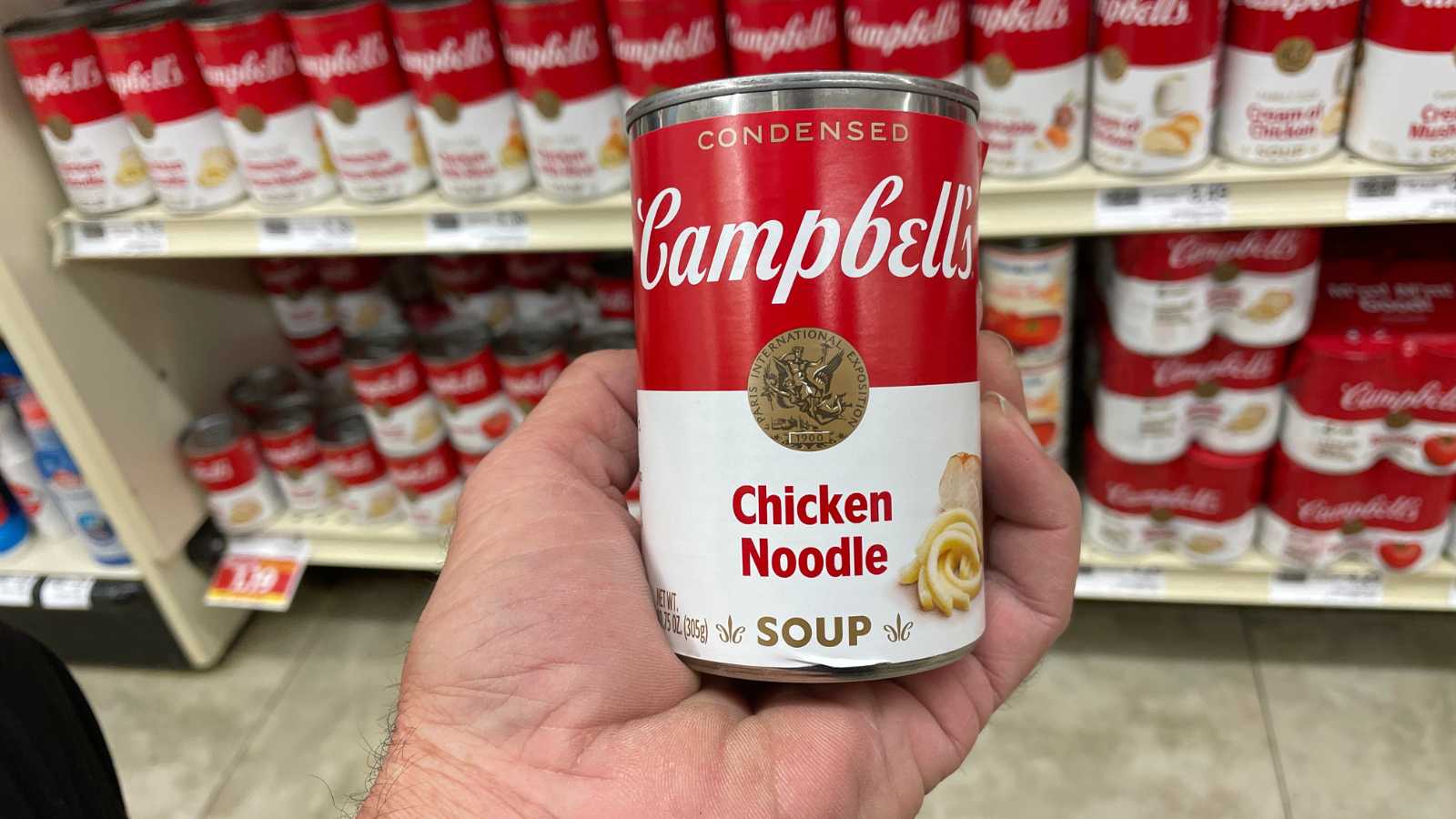
As a comfort food, canned soup has served as fast food since the introduction of brands like Campbell’s in cans, and even Boomers. These soups would be handy during the day when time is wasted or on cold nights. Boomers remember eating sandwiches and crackers with canned tomato or chicken noodle soup.
Prepared canned soup was easy to prepare and so became a pantry staple in many families. This basic meal also reminds me of the childhood lunches and family dinners. Canned soup is still a comforting choice for Boomers.
Mashed potatoes with gravy
Mashed potatoes served with gravy are another traditional side dish that can be found on Boomer dinner tables. This delicious meal can be served at both holiday and Sunday dinners, thanks to its rich, creamy gravy, which makes it a popular dish.
Potatoes were a good, cheap staple in most mid-century households, and mashed potatoes became a favorite. To Boomers, this side dish reminds them of family dinners and special events. The mash with buttery flavor and tasty gravy is difficult to resist and can still be found on many Boomer dishes.
Apple pie
Apple pie holds a special place in American cuisine and in the hearts of Boomers. Apple pie is one of the most popular national desserts, as 23 percent of Americans claimed it as their favorite pie. The apple pie is another favorite of boomers, associated with holidays, family reunions, and summer picnics.
It is a nice finish to any meal, with its sweet, comforting taste and flaky crust. Apple pie, whether made at home or purchased in a store, conveys a sense of tradition and communal eating. This is a classic dessert that Boomers can not do without.
Key takeaway
Boomers’ food preferences are influenced by nostalgia, tradition, and comfort. Their meatloaf, TV dinners, and casseroles are comfort food reminiscent of family meals and simpler days.
Sandwiches made with Spam, hot dogs, and Bologna represent cheap, familiar, youthful flavors. Old standards such as deviled eggs, mashed potatoes with gravy, and apple pie still provide solace and familiarity. It is not only that these foods are delicious, but they are also food memories.
More articles:
- 11 reasons Baby Boomers believe today’s economy might be easier than the 1980s
- 15 once-popular Boomer hobbies that are less common today
- 12 things Boomers got absolutely right about raising kids
15 things that instantly hurt a Boomer’s feelings

Small, everyday phrases can quietly strain conversations with older generations, revealing how easily respect breaks down across age lines
Ever said something casually and watched someone older get weirdly quiet? Yeah… I’ve been there. You think you made a harmless comment, and suddenly the vibe shifts as you step on an emotional landmine. Learn more.
13 things Boomers did to build wealth that simply don’t work today

The financial advice that once built stable middle-class lives now feels almost unrecognizable in a world of soaring costs and shrinking safety nets.
The financial playbook for achieving the American dream looks vastly different today than it did fifty years ago. Young adults often hear stories from older relatives about buying a first home with a basic starter salary. What worked perfectly for previous generations often falls flat for young people facing modern economic hurdles. Learn more.
Why the divide between Gen Z and Boomers is growing

The divide between Gen Z and Boomers isn’t just generational, it’s structural. The tension between Gen Z and Boomers isn’t just about attitudes, it’s rooted in very different realities.
A widening gap in wealth, mental health, and expectations is shaping how each generation sees the world, and each other. What looks like disagreement on the surface often reflects deeper concerns about security, opportunity, and respect. Learn more.





