

In most places, picking up a cute animal seems harmless. Maybe it’s a squirrel that looks lost or a tiny turtle crossing the road. But in some cases, that simple act could land you behind bars, with fines to match. These animals may look ordinary, but they’re often protected by strict federal or state laws.
Why? Conservation laws, endangered species lists, or public safety rules. Some animals carry diseases. Others are legally protected because their population is in trouble. In many cases, even touching them without permission is considered illegal possession or interference with wildlife. Here are 15 creatures that could turn your helpful gesture into a criminal offense.
American Bald Eagle

The Bald and Golden Eagle Protection Act makes it a federal crime to touch, trap, or pick up a bald eagle, dead or alive. Even collecting a feather without a permit is illegal. Violating this law can result in a fine of thousands of dollars and a prison term of up to one year. No joke; just snapping a photo too close can get you investigated.
Eastern Box Turtle

It may look like a perfect pet, but the Eastern box turtle is off-limits in several states. In North Carolina, for instance, you can’t legally take one from the wild. Habitat loss and the illegal pet trade are rapidly shrinking their numbers.
Gopher Tortoise

Found mostly in Florida and parts of the Southeast, the gopher tortoise is protected by state and federal laws. They’re considered a keystone species because their burrows shelter over 350 other animals. That makes them important enough that even moving one to help it cross the road could result in a fine.
Sea Otters

Sea otters look adorable, especially when they float holding hands. But in California, the Marine Mammal Protection Act keeps you from approaching, feeding, or touching one. Fines can reach up to $11,000. Research says that excessive human contact can stress them out and weaken their immune systems.
Monarch Butterflies

You’d think catching a butterfly is harmless. Not always. Monarch butterflies are considered a candidate species for federal protection due to sharp population declines. In some states, such as California, collecting or disturbing them, especially near overwintering sites, can lead to legal consequences. A 2023 World Wildlife Fund report found a 22% decline in monarch numbers over the past year.
Kangaroo Rat

In parts of California, the kangaroo rat is listed as an endangered species. It’s so protected that farmers have had building permits denied just to avoid disturbing them. Touching or relocating one can result in heavy fines, especially in San Bernardino and Riverside counties.
Desert Tortoise

Common in Nevada and parts of California, the desert tortoise is federally listed as a threatened species. It’s illegal to pick one up in the wild without a special permit. Even if it’s in danger, the law says you need to call wildlife services. In the U.S., hundreds of people are often cited for mishandling tortoises in the Mojave Desert.
Florida Manatee

Swimming near one? Fine. Touching one? Illegal. Manatees are protected under both the Endangered Species Act and the Marine Mammal Protection Act. Fines can go up to $50,000. Florida’s Fish and Wildlife Conservation Commission even runs public awareness campaigns urging people to “look, but don’t touch.”
Hellbender Salamander

This giant aquatic salamander looks like something out of a movie. It’s also one of America’s most endangered amphibians. In some states, even touching a hellbender without a license is illegal. Wildlife officials treat them like gold because they’re sensitive to pollution and changes in river systems.
Save this article
Whooping Crane

One of the rarest birds in North America, the whooping crane is federally protected. Biologists and birdwatchers go out of their way to avoid contact. According to the U.S. Fish and Wildlife Service, there were 543 wintering whooping cranes in 2023. That number makes every individual bird a big deal.
Pika

These tiny mountain-dwelling mammals are incredibly sensitive to temperature changes. Found in the Rockies and Sierra Nevada, pikas are protected in some national parks. Picking one up could interfere with its ability to survive. Plus, they squeal a lot, so you probably don’t want to be holding one anyway.
Timber Rattlesnake

It might seem strange to protect a venomous snake, but the timber rattlesnake is listed as threatened in many states. In Pennsylvania, touching or relocating a wild animal without a special permit is a violation of the Game and Wildlife Code. Authorities prefer you call professionals instead of playing snake charmer.
Spotted Turtle

Small, slow, and often mistaken for pond pets, spotted turtles are protected across much of the East Coast. In New York and New Jersey, it’s illegal to collect or move one. Conservationists say their biggest threat is poaching for the pet trade.
California Newt
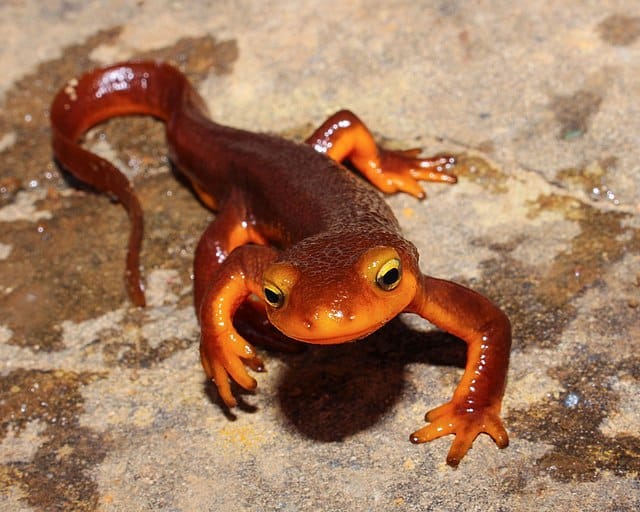
Found mostly in the state’s coastal forests, the California newt produces toxins that can seriously harm humans. Even worse, their population is declining fast. Touching one can result in a citation for harassment of a protected species. If you’re hiking in Big Sur, it’s best to admire and move on.
Piping Plover

This little shorebird nests on beaches where people love to hang out. That’s a problem. The U.S. Fish and Wildlife Service lists them as threatened, and some beaches even shut down areas to protect nesting sites. Picking one up, or even getting too close, can lead to citations. Volunteers spend summer weekends guarding their nests with signs and ropes.
Disclaimer – This list is solely the author’s opinion based on research and publicly available information. It is not intended to be professional advice.
How Total Beginners Are Building Wealth Fast in 2025—No Experience Needed

How Total Beginners Are Building Wealth Fast in 2025
I used to think investing was something you did after you were already rich. Like, you needed $10,000 in a suit pocket and a guy named Chad at some fancy firm who knew how to “diversify your portfolio.” Meanwhile, I was just trying to figure out how to stretch $43 to payday.
But a lot has changed. And fast. In 2025, building wealth doesn’t require a finance degree—or even a lot of money. The tools are simpler. The entry points are lower. And believe it or not, total beginners are stacking wins just by starting small and staying consistent.
Click here and let’s break down how.
5 Easy Steps to Change Any Habit

5 Easy Steps to Change Any Habit
We all click on them with the hope that just THIS time the secret to changing a bad habit or adopting a healthy one will be revealed and we’ll finally be able to stick to that diet, stop that one or ten things that might in the moment make us feel temporarily good but really just make us fat, unhealthy, sad, mad or just frustrated with ourselves.





