

If you’re like me, nothing beats the thrill of packing up your RV and hitting the open road. There’s just something magical about taking your home with you and exploring new places on your terms.
As of 2026, over 11.2 million American households own an RV, according to industry surveys and reports. This number has been steadily climbing, especially since the pandemic, when families turned to RVs as a safer way to travel. With more people on the road than ever, the rules around RVing have tightened up.
Some things we used to do without a second thought are now a little trickier (and often illegal). So, let’s take a look at what you might still be doing in your RV that’s actually off-limits these days, even if it’s still happening all over the country!
Camping Off the Beaten Path (AKA “Boondocking” Without Permission)

Boondocking, or camping off-grid in the middle of nowhere, used to be one of the biggest thrills of RV life. Many campers would park their RVs on public land, camp wherever they pleased, and enjoy the freedom of not having to pay for campgrounds. But things have shifted.
In recent years, the U.S. Bureau of Land Management (BLM) and the Forest Service have cracked down on unpermitted camping. For example, in May 2025, the BLM closed 40 acres near Bend, Oregon, following a Forest Service closure of thousands of acres in the same region due to unsanctioned long-term camping. The rise in popularity of boondocking has led to overcrowding, trash, and environmental damage, prompting tighter regulations.
What’s still cool?
You can still enjoy off-grid camping on BLM land and certain national forests, but make sure to double-check the rules for the area you’re in. Many places now have designated “dispersed camping” zones where you can park for free, as long as you follow the guidelines.
Using Your RV’s Propane for Home Heating and Cooking While Driving
We all love the comfort of cooking in the RV kitchen or keeping the heat on during a chilly drive, right? Well, here’s the kicker: doing either of those while your RV is in motion is strongly discouraged by safety experts.
The issue comes down to risk. Propane tanks that power stoves, ovens, and heating systems can become hazardous if left running while the vehicle is moving. In the event of a collision or sudden stop, an open flame or pressurized system increases the chance of fire or explosion.
Dumping Waste Water or Sewage Improperly
This one might seem like a no-brainer, but you’d be surprised how many RVers still dump their wastewater in random spots, and it’s illegal. Improper disposal of wastewater, especially sewage, is a violation of both local and federal laws in most places.
The U.S. Environmental Protection Agency (EPA) has outlined strict guidelines for RV waste disposal. A single RV black tank commonly holds 30–40 gallons of raw sewage, meaning one illegal dump can release over 40 gallons of untreated waste at once.
What can you do?
Save this article
Make sure to use proper dump stations, which are easy to find at most campgrounds, RV parks, and rest stops. If you’re boondocking, you’ll need to plan ahead and find a designated dumping station along your route. Many RVers now use composting toilets, which are more eco-friendly and reduce waste disposal issues altogether.
Camping in Restricted Areas of National Parks
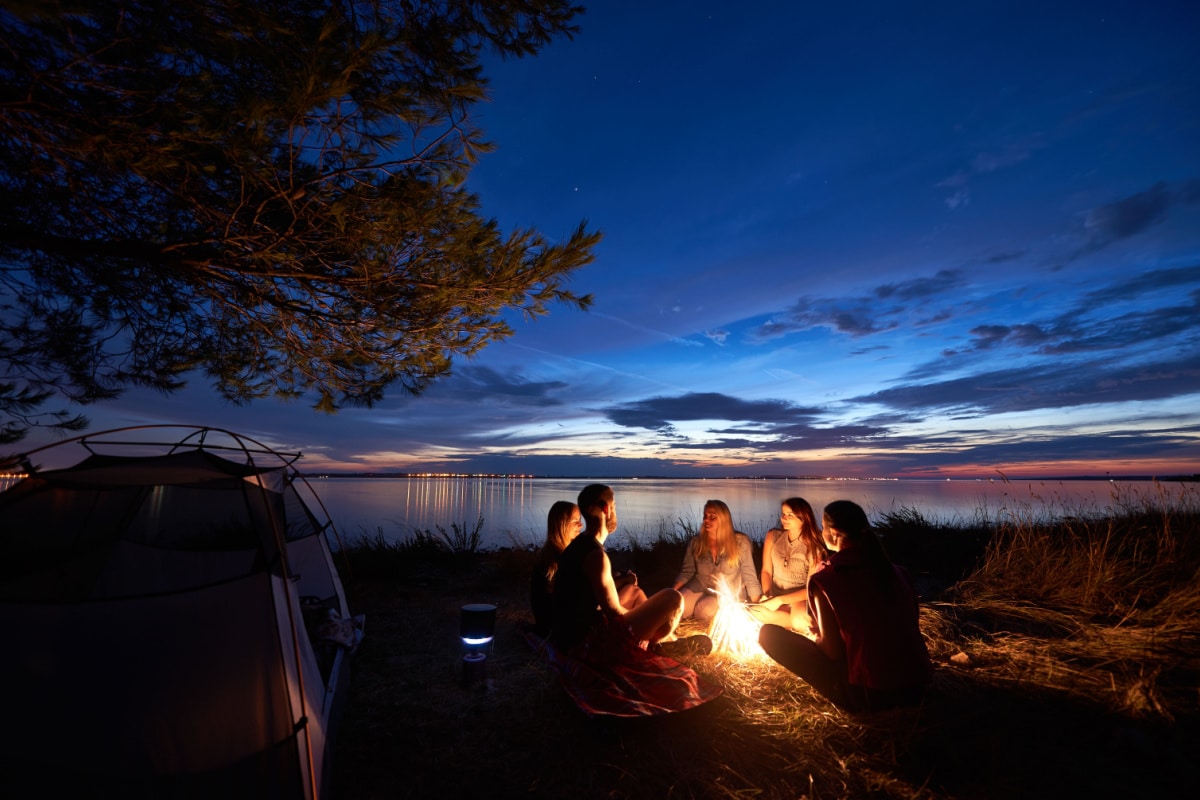
National parks are meant to be preserved, but let’s face it, we’ve all taken a quick detour to grab that perfect camping spot in a scenic area, maybe even outside the official campgrounds. But here’s where the issue lies: restricted camping areas are more common than you think, and the fines for sneaking into them can be hefty.
For example, in Yellowstone National Park, unauthorized camping can cost you up to $500 in fines. Unauthorized camping in national parks poses serious threats to ecosystems. Camping in these protected areas disrupts wildlife and can harm the fragile environment.
What’s the solution?
Stick to established campgrounds or approved dispersed camping areas within the park. If you’re looking to camp on national park land, be sure to check whether the area requires reservations or has specific rules.
Parking Overnight in Walmart Lots Without Permission
There was a time when Walmarts across the country welcomed RVers to park overnight in their lots. It was free, convenient, and a great way to break up a long road trip. But in recent years, more and more Walmarts have stopped allowing overnight parking, either due to local ordinances or corporate policies.
The trend started in the mid‑2010s when Walmart began limiting overnight stays due to safety and liability concerns. There are still a few Walmart locations that allow RV parking, but you’re more likely to see signs that say “No Overnight Parking.”
What’s the workaround?
Always call ahead or check with the store manager to confirm if overnight parking is allowed. If not, you can often find other places, such as truck stops, rest areas, or RV-friendly businesses, that permit overnight stays. RV parks and campgrounds are your safest bet.
KEY TAKEAWAYS

- Boondocking is More Restricted: Boondocking (camping off-grid) is still allowed, but many public lands have tightened regulations due to overcrowding and environmental concerns. Always verify local rules before camping off the beaten path.
- Turn Off Propane While Driving: Using propane for heating or cooking while on the road is strongly discouraged due to the risk of fire and explosion. Always turn off propane systems when the RV is in motion.
- Illegal Waste Disposal: Dumping wastewater or sewage improperly is both illegal and harmful to the environment. Use designated dump stations and consider eco-friendly options, such as composting toilets.
- National Park Camping is Restricted: Unauthorized camping in national parks can result in hefty fines and environmental harm. Stick to designated campgrounds or approved dispersed camping areas.
- Walmart Overnight Parking is Becoming Less Common: Many Walmart locations no longer allow overnight RV parking. Always call ahead to check, and if not allowed, look for alternatives like truck stops or RV parks.
Disclaimer – This list is solely the author’s opinion based on research and publicly available information. It is not intended to be professional advice.
Disclosure: This article was developed with the assistance of AI and was subsequently reviewed, revised, and approved by our editorial team.





