

Taylor Barnard became a Formula E record-setter before he was old enough to celebrate a 20th birthday. But the young British driver says the biggest challenge in motorsport is not always finding talent. It is finding the money to give that talent a chance.
At 19 years and 331 days old, Barnard made history at the 2024 Monaco E-Prix when he became the youngest driver ever to start a Formula E race. It was the kind of moment most young racers dream about from childhood: stepping onto one of the biggest stages in international motorsport.
But Barnard says the road to that moment came with sacrifices that fans rarely see.
His family invested heavily in his career, putting their finances and future on the line to help him chase a dream that requires enormous resources long before the world notices.
Barnard’s success reminds us that in modern racing, the hardest part may not be driving fast. It may be getting the opportunity to prove you can.
A Teenage Driver Who Quickly Changed Formula E History
Barnard’s Formula E arrival was historic, but the years before his debut required constant investment and sacrifice.
After entering Formula E, Barnard quickly showed why teams believed in him.
During his rookie season, he became the youngest race starter, youngest points scorer, youngest pole-sitter, and youngest podium finisher in Formula E history, according to McLaren.
Those achievements made him one of the most exciting young names in electric racing.
But reaching that level requires years of competition before the public ever sees a driver on a professional grid.
Young racers usually begin in karting before moving through junior championships, where they must pay for equipment, travel, coaching, testing, and team programs. Each step brings more competition and higher costs.
Barnard says that financial pressure shaped his own journey.
“It’s super expensive, super difficult. And where my family and I’ve come from, we’ve always been on the difficult end of that journey,” he told BBC Newsbeat.
For Barnard, the investment eventually led to a place among the world’s best young drivers.
But he believes many others with similar ability never make it far enough to be noticed.
Related: 10 Sports Legends No One Expected to Succeed
The Price Of Chasing A Racing Dream Can Reach Millions
FIRST TIME WINNER IN FORMULA E 🤩@taylorbarnard01 claims his first victory on home soil! 👏@Hankook_Sport #LondonEPrix pic.twitter.com/fq9TsLojmO
— Formula E (@FIAFormulaE) August 16, 2026
Before drivers reach the professional stage, their families may already be spending hundreds of thousands or even millions just to keep the dream alive.
The path to elite motorsport is not a single jump from karting to Formula E or Formula 1. It is a long, expensive ladder where every level requires significant financial support.
According to BBC Sport reporting, competing in junior single-seater categories can require enormous budgets. A season in Formula 4 is estimated at around £520,000, while Formula 3 can cost roughly £1.3 million to £1.6 million. The final major step before Formula 1, Formula 2, can cost approximately £2 million to £2.3 million per driver.
These figures vary by team, sponsorship agreements, testing schedules, crashes, and other expenses. But the message remains the same: reaching the highest levels of racing requires resources most families simply do not have.
For a young driver, talent is only the beginning.
They also need enough funding to stay on the grid long enough for teams and sponsors to notice what they can do.
That is the barrier Barnard says worries him most.
When Winning Still Doesn’t Guarantee A Future
Motorsport has shown that even talented drivers can lose opportunities when the money runs out.
Barnard’s concerns are not only about drivers trying to break through. They also apply to racers who have already proven themselves.
Zak O’Sullivan experienced that reality during his Formula 2 campaign.
The British driver, who was part of the Williams Driver Academy and had shown strong potential, left the 2024 Formula 2 season early after funding problems made it impossible to continue.
His situation highlighted an uncomfortable truth in racing: success does not always create security.
Save this article
A driver can win races, impress teams, and still face the same question before every season: Who is paying for the next one?
The financial side of motorsport can determine careers just as much as performance.
Abbi Pulling’s journey showed a similar challenge. After facing budget difficulties earlier in her career, she later secured a fully funded GB3 opportunity after winning the F1 Academy championship.
The difference between stopping and continuing was not simply talent. It was access.
Even Formula E Is Facing A Changing Future
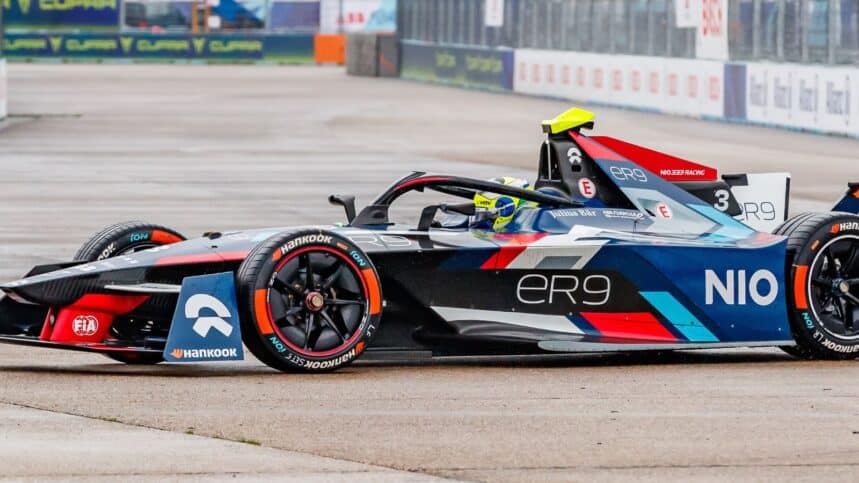
Barnard’s warning comes as the motorsport landscape continues to shift, even for established professionals.
The young driver currently competes for DS Penske, but DS Automobiles has announced plans to leave Formula E after the 2025–26 season as it changes its motorsport strategy.
The move does not necessarily mean the team will disappear, with reports suggesting Penske Autosport could continue with a different manufacturer partnership. However, it highlights another challenge drivers face. Even after reaching the professional level, drivers remain dependent on decisions made away from the track.
Manufacturers change direction. Sponsors move on. Teams adjust their plans.
A driver can perform perfectly on race day and still face uncertainty about what happens next.
For Barnard, that is why the financial issue matters so much.
He believes motorsport needs to consider the drivers who never receive enough opportunities to show their ability.
“There’s definitely people that have bought their way in or haven’t earned their way,” Barnard said.
“There are younger guys or girls that have the talent and the skill to be able to make it, which just gets shut out by financial issues.”
His comments reflect his personal view, not proof that specific drivers have purchased seats. But his larger point is one many in motorsport recognize: you can’t judge talent if a driver never gets the chance to compete.
The Future Champions Who Never Reach The Grid
Barnard’s success proves young drivers can break through, but his warning is about those who never get the same chance.
Motorsport has always been built around one simple idea: the fastest driver should rise to the top.
The stopwatch does not measure a driver’s background, family finances, or connections.
But getting to the point where the stopwatch matters often requires years of expensive preparation.
That creates one of racing’s biggest contradictions.
A sport designed to find the world’s best drivers may sometimes lose talented competitors before they ever reach the stage where their ability can truly be tested.
Taylor Barnard overcame those obstacles. He turned family sacrifice into a Formula E record and proved he belonged among the elite.
But his message is about the racers still behind him.
The young driver with the same speed.
The same ambition.
The same dream.
But without the financial support needed to reach the starting line.
Should elite motorsport do more to create affordable pathways for young drivers, or is the financial barrier simply part of professional racing?
More Articles:
- Kim Kardashian Snubbed a Legend, Walked off With An F1 Race Winner’s Towel, and Somehow Still Won the Internet Back
- 15 Mini Workouts That Equal a 20-Minute Walk
- Claudia Sheinbaum Accepts Trump’s World Cup Final Invitation as Crucial USMCA Talks Loom
- 8 Bodyweight Exercises That Help Prevent Muscle Loss After 50





