

Though Halloween began as a Celtic harvest rite, its modern variations across more than a dozen cultures show how one night binds humanity through ritual and remembrance.
Every October 31, Halloween brings costumes, candy, and carved pumpkins. But beyond the American version of the holiday lies a fascinating world of eerie customs, ancient rituals, and sweet celebrations that reveal how different cultures honor the dead and welcome the changing season. From flaming tar barrels to apple bread offerings, Halloween traditions around the globe are as diverse as they are captivating.
1. Mexico’s Día de los Muertos

In Mexico, the Day of the Dead is a two-day festival blending Catholic and Indigenous beliefs. Families build ofrendas, or altars, decorated with marigolds, candles, and photos of loved ones who have passed. Sugar skulls and pan de muerto, a soft sweet bread, symbolize life’s cycle. Rather than a mournful occasion, it’s a lively, colorful tribute filled with food, music, and laughter.
2. Ireland’s Samhain

Modern Halloween traces its roots to Samhain, a Celtic festival marking the end of harvest and the start of winter. Bonfires once lit the countryside to ward off spirits, and villagers disguised themselves to confuse wandering souls. Traditional foods like barmbrack, a fruitcake hiding charms that foretold the future, remain part of Irish celebrations.
3. Scotland’s Guising

Scottish children have long practiced “guising,” dressing up and going door to door performing songs or jokes in exchange for treats. Unlike American trick-or-treating, guisers are expected to earn their sweets. Turnips, not pumpkins, were originally carved into lanterns, their gnarled faces meant to scare off evil spirits.
4. Japan’s Kawasaki Halloween Parade

In Japan, Halloween has become an elaborate, city-wide costume event. The Kawasaki Halloween Parade near Tokyo draws thousands in intricately designed outfits, many inspired by anime and pop culture. While the holiday has no traditional roots in Japan, it’s become a creative expression of cosplay, performance, and spectacle.
5. Austria’s Spirit Bread

Austrians once left bread and water on their tables before going to bed on Halloween night, believing spirits returned to visit. This quiet gesture was meant as hospitality for the dead, a reminder that the veil between worlds was thin and kindness should extend beyond the living.
6. Italy’s Ognissanti and Tutti i Morti

In Italy, All Saints’ Day and All Souls’ Day are marked by visiting cemeteries and sharing special pastries called “fave dei morti,” or “beans of the dead.” These almond cookies are offered to remember ancestors and are often shaped like beans, a symbol of rebirth.
7. Philippines’ Pangangaluluwa

Save this article
On the night before All Saints’ Day, children in rural Filipino villages go door to door singing songs for the souls of the departed. In return, they receive gifts or food. The practice resembles caroling but carries deep spiritual meaning, connecting families across generations.
8. Germany’s Hidden Knives

In some German households, people hide their knives on Halloween to prevent returning spirits from injuring themselves or others. It’s a simple yet striking example of how folklore and practicality intertwine, reflecting both reverence and superstition.
9. Nepal’s Gai Jatra

Gai Jatra, or the Festival of Cows, honors those who have died in the past year. Families lead cows—or children dressed as cows—through the streets, believing these sacred animals help souls reach the afterlife. The festival is colorful, humorous, and healing, blending grief with celebration.
10. Spain’s Castanyada

In Catalonia, Spain, people mark All Saints’ Day with roasted chestnuts, sweet potatoes, and small almond cakes called panellets. The tradition emphasizes warmth, remembrance, and family gatherings rather than fear or fright.
11. United States’ Mischief Night

In parts of the U.S., October 30 is known as Mischief Night, when kids play harmless pranks like soaping windows or toilet-papering trees. Though frowned upon by some adults, it’s seen by others as a playful prelude to Halloween’s spooky fun.
12. England’s Flaming Tar Barrels

In Ottery St. Mary, England, townspeople carry flaming barrels of tar through the streets on their shoulders, a fiery spectacle dating back centuries. The event’s origins are unclear, but it remains a symbol of local pride and community spirit.
The Takeaway

Around the world, Halloween takes many forms—solemn, joyous, or wild—but the common thread is connection: between the living and the dead, the past and the present, fear and festivity. However it’s celebrated, the night reminds us that storytelling, ritual, and a touch of mystery are universal human needs.
Do You Think Black Cats Are Spooky?
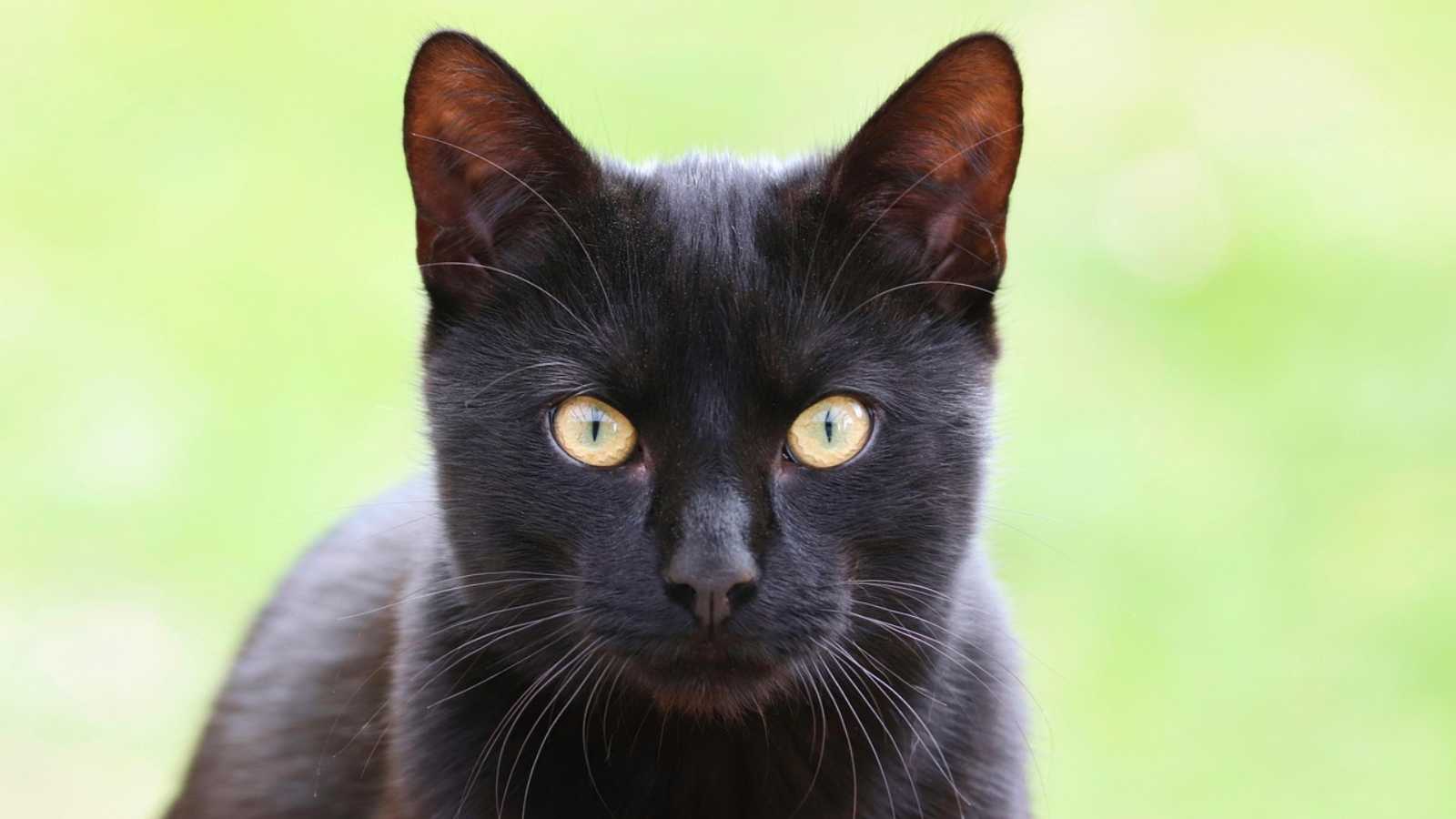
Many people do, and in fact, myths surround these elegant creatures. Read more here.





