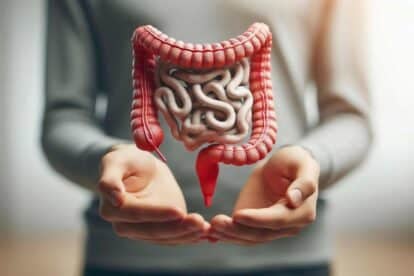
Popcorn feels light, but eating it every day can have a real impact on your stomach. This whole grain packs a surprising amount of fiber, which plays a direct role in digestion. Three cups of air-popped popcorn provide about 3.6 grams of fiber, according to nutrition data, which can help keep bowel movements regular and feed beneficial gut bacteria. For some people, that daily fiber boost supports smoother digestion and less bloating over time.
At the same time, how your stomach reacts depends on portion size and preparation. Butter, excess salt, or large servings can slow digestion and trigger discomfort, especially if your gut is sensitive.
Gastroenterologists often point out that fiber works best when increased gradually and paired with enough fluids. When eaten mindfully, daily popcorn can support stomach health, but when eaten carelessly, it may leave your gut feeling stressed rather than satisfied.
Daily popcorn quietly boosts your fiber intake

Air-popped popcorn looks modest, but nutritionally, it carries weight. According to the USDA FoodData Central database, three cups provide about four grams of dietary fiber, largely insoluble. That places popcorn among the higher fiber snack foods by volume, while keeping calories low. As a whole grain, it counts toward daily whole grain intake linked to better digestive outcomes.
Nutrition guidance from Harvard T.H. Chan School of Public Health consistently frames whole grains as a cornerstone for digestive regularity and long-term health. Popcorn fits this profile when prepared plainly. Compared with refined snacks like chips or crackers, it delivers fiber without added sugars, making it a rare example of a snack that feeds digestion rather than distracting from it.
Insoluble fiber helps keep bowel habits predictable

The insoluble fiber in popcorn plays a mechanical role in digestion. According to the Mayo Clinic’s digestive health resources, insoluble fiber adds bulk to stool and speeds its movement through the colon, supporting regular bowel movements. Popcorn’s fiber behaves much like wheat bran, encouraging consistency and reducing sluggish transit.
Clinical nutrition experts from institutions like the Cleveland Clinic note that people who fall short on fiber often see improvements when they replace low-fiber snacks with whole-grain options. For habitual under-eaters of fruits and vegetables, a daily serving of popcorn can make bowel movements softer and more regular, sometimes within days.
Whole grain popcorn feeds beneficial gut microbes

Popcorn is not just fiber-rich but biologically active in the gut. Whole-grain fibers act as prebiotics, meaning they provide fuel for beneficial bacteria. Harvard T.H. Chan School of Public Health describes whole grains as microbiome-supportive foods that encourage bacterial diversity and short-chain fatty acid production.
While popcorn-specific microbiome trials are limited, its fiber profile mirrors other whole grains already linked to healthier gut ecosystems. Reviews in journals like Nutrients describe consistent associations between whole grain intake and favorable microbiome shifts. A daily popcorn habit likely participates in this broader pattern, quietly shaping gut balance over time.
Popcorn does not worsen diverticulitis risk

Long-standing advice warned people with diverticulosis away from popcorn, but large-scale data reversed that view. The Health Professionals Follow-Up Study, published in JAMA, tracked over 47000 men for eighteen years. Men who ate popcorn at least twice weekly had a 28 percent lower risk of diverticulitis than those who ate it rarely.
The JAMA authors reported no increased risk of diverticular bleeding or inflammation from popcorn, nuts, or seeds. Clinical commentaries following the paper emphasized that popcorn was not harmful and might be protective. The findings prompted many gastroenterologists to abandon the old restriction and rethink fiber-rich foods in diverticular disease.
High fiber popcorn can still cause bloating

Despite its benefits, popcorn is not gentle for every gut. Gastroenterology guidance from Johns Hopkins Medicine notes that insoluble fiber can trigger gas, bloating, or cramping in sensitive individuals, especially when eaten in large amounts. The colon responds to sudden fiber loads with increased fermentation and gas production.
Save this article
Digestive health articles often stress that discomfort reflects dose and adaptation rather than danger. When large bowls of popcorn arrive faster than the gut can adjust, symptoms follow. The issue is not popcorn itself but how much and how quickly it moves through a system unaccustomed to high fiber volume.
Popcorn increases fullness and may reduce snacking

Satiety is another digestive advantage. The American Heart Association highlights popcorn as a low-calorie, high-fiber food that promotes fullness. In comparisons cited by the organization, popcorn produced greater satiety than equal-calorie servings of potato chips, largely due to its fiber and volume.
Feeling full sooner can reduce constant grazing on ultra-processed snacks. Fewer eating episodes mean fewer digestive demands throughout the day. Nutrition educators often describe plain popcorn as a high-volume food that stretches the stomach gently, supporting appetite control without overwhelming digestion with fat or sugar.
Butter-heavy popcorn burdens the stomach

Preparation changes everything. Health guidance from the American Heart Association warns that popcorn drenched in butter, oils, and salt loses its digestive advantage. High-fat toppings slow gastric emptying, increasing the chance of reflux, nausea, and post-meal heaviness. Sodium and added sugars add further strain.
When eaten daily in this form, popcorn behaves less like a whole grain and more like a greasy indulgence. High-fat, high-sodium patterns are associated with reflux symptoms and fluid retention, overshadowing fiber benefits. The grain remains, but the digestive context shifts in an unfriendly direction.
Portion size determines whether benefits stick

Even healthy fiber requires restraint. Gastroenterology nutrition guidance emphasizes gradual fiber increases to avoid cramping and gas. For popcorn, a realistic daily portion is about three cups air popped, roughly one hundred calories and four grams of fiber, rather than oversized bowls.
Experts writing on IBS and functional gut disorders often advise splitting fiber-rich foods into smaller servings. For sensitive guts, half portions spaced out may feel better than one large dose. Portion control allows popcorn to support digestion instead of overwhelming it.
Chewing well changes how popcorn feels

Popcorn hulls are tough and often blamed for discomfort. Large observational studies, including the Health Professionals Follow Up Study, found no evidence that hulls lodge in diverticula or damage the colon. The issue is mechanical rather than inflammatory. Poorly chewed hulls demand more digestive effort.
Dental and gastrointestinal clinicians commonly recommend thorough chewing to break down hulls before swallowing. This reduces gastric workload and may lessen bloating. People with dental problems or active gut inflammation may tolerate popcorn better when eaten slowly or replaced temporarily with softer whole-grain options.
Key takeaway

Plain popcorn, eaten in modest portions and prepared simply, is a fiber-rich whole grain that can support digestion, satiety, and gut health.
Its benefits depend less on the kernel itself and more on timing, toppings, and how much ends up in the bowl.
Disclaimer – This list is solely the author’s opinion based on research and publicly available information. It is not intended to be professional advice.
Like our content? Be sure to follow us