

Thanksgiving is over, the dinner tables have been cleared, and grocery stores are already making room for Christmas decorations and holiday groceries. But what happens to all those whole turkeys that never made it into someone’s shopping cart? With millions of Americans buying birds for Thanksgiving, it is hard to imagine that every turkey on supermarket shelves finds a home before the holiday ends.
The good news is that unsold turkeys do not automatically end up in the trash. Grocery stores have several ways of handling leftover holiday inventory, including discounting, donating, repackaging, and keeping frozen birds for future sales. Some of these options have even helped create products that Americans still buy today.
Grocery Stores Often Mark Down Turkeys After Thanksgiving
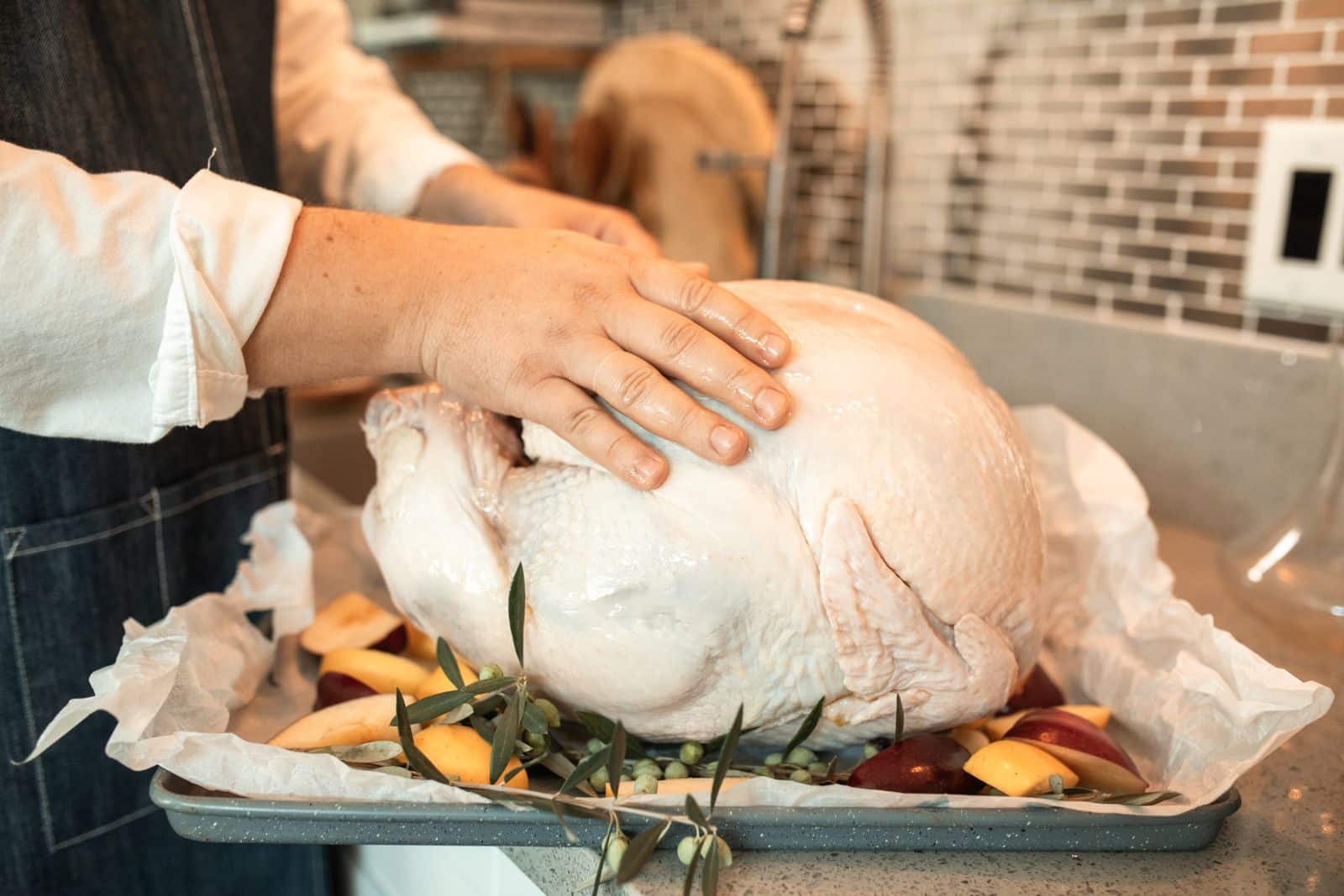
One of the simplest ways supermarkets handle unsold Thanksgiving turkeys is by lowering their prices. Once the holiday rush is over, stores may offer discounts to shoppers who are willing to buy a bird a few days later.
This can be good news for people who enjoy turkey but do not necessarily want to pay holiday prices. Some families also buy discounted birds to freeze for Christmas, Sunday dinners, or other occasions.
However, markdowns are not guaranteed at every supermarket. Pricing decisions depend on the store, the type of turkey, remaining inventory, and how long the product can safely stay on sale.
Some Frozen Turkeys Are Saved for Christmas
Thanksgiving may be the biggest turkey buying occasion in America, but Christmas creates another opportunity for supermarkets to sell their remaining stock. Rather than trying to get rid of every frozen bird immediately, some retailers can keep suitable inventory in freezer storage until the next holiday rush.
This is particularly practical for commercially frozen turkeys that have remained properly stored. According to the USDA, food kept continuously frozen at 0°F remains safe indefinitely, although quality can gradually decline.
That means an unsold frozen turkey does not necessarily become waste just because Thanksgiving has passed. It may simply be waiting for another family gathering.
Butchers Can Turn Whole Birds Into Smaller Cuts
Not everyone wants to purchase an entire turkey after Thanksgiving. Some shoppers would rather buy a few turkey breasts, thighs, or drumsticks without having to deal with a whole bird.
That creates another option for grocery stores. As reported by Wang in Tasting Table, some retailers send suitable unsold birds to their butcher departments, where they can be broken down and packaged into smaller portions.
These cuts can then appeal to shoppers looking for convenient options for everyday meals. Instead of having to roast an entire turkey, someone can pick up just enough meat for dinner.
Some Supermarkets Donate Their Extra Turkeys
Food donations are another way retailers can prevent perfectly usable food from going to waste. Grocery stores sometimes work with food banks and community organizations to distribute surplus poultry to families who need assistance.
One example is Giant Food, which donated 11,000 turkeys in 2023. That is a substantial number of holiday meals that could reach households facing food insecurity.
Donations depend on individual retailers, local partnerships, and food safety requirements. Fresh and frozen poultry must be handled and stored properly before it can be distributed, so not every leftover bird will qualify.
Still, these partnerships show how unsold holiday inventory can serve a purpose beyond supermarket shelves.
One Thanksgiving Turkey Surplus Helped Create the TV Dinner
Perhaps the most surprising story involving unsold Thanksgiving turkeys goes back to 1953. Frozen food company C.A. Swanson & Sons had badly miscalculated holiday demand and found itself with approximately 520,000 pounds of leftover turkey.
That is about 260 tons of poultry! The company stored the birds in 10 refrigerated railroad cars while executives tried to figure out what to do with the enormous surplus.
Swanson eventually developed the idea of packaging turkey with sides in divided aluminum trays. The result was the famous TV dinner, which arrived in supermarkets in 1953 and became an enormous commercial success.
Swanson sold more than 10 million turkey dinners in the first full year of production. An overstocking mistake had helped launch an entirely new category of convenient frozen meals.
Millions of Turkeys Make Holiday Planning a Huge Job
The amount of turkey involved in Thanksgiving shopping helps explain why supermarkets need backup plans. According to the National Turkey Federation figures cited by the Food Shippers of America, Americans consume approximately 46 million turkeys during Thanksgiving.
The USDA also reported that the United States produced 193.5 million turkeys in 2025. With that much poultry moving through farms, processing facilities, distributors, and grocery stores, predicting exactly how many birds customers will purchase is no small task.
Retailers have to balance having enough stock for shoppers against the possibility of ordering more than they can sell. Having options such as discounts, donations, storage, and repackaging helps them manage that uncertainty.
Not Every Unsold Turkey Has the Same Ending
There is no single rule requiring grocery stores to handle leftover Thanksgiving turkeys in exactly the same way. A supermarket with plenty of freezer space may keep its remaining birds for Christmas, while another may offer discounts or arrange donations.
Some retailers also have butcher departments capable of turning whole birds into smaller products. The important distinction is whether the turkey has remained safe to sell, store, or donate.
So the next time you see a discounted turkey sitting in a supermarket freezer after Thanksgiving, it is not necessarily a forgotten holiday leftover. It may simply be getting a second chance to make it onto someone’s dinner table.




