

We often take the simple act of blood flow for granted—until our veins stop working the way they should.
Ever feel like your legs are throwing their own little pity party? They’re achy, swollen, and just plain heavy. It might be more than just a long day on your feet. You could be dealing with Chronic Venous Insufficiency, or CVI. It sounds serious, and it can be, but it’s more common than you’d think. In fact, it affects up to 40% of people in the United States.
CVI is when the veins in your legs have trouble sending blood back up to your heart. Instead of flowing nicely, blood decides to hang out in your lower legs, causing all sorts of problems. Think of it as a traffic jam in your veins. This article will break down what CVI is, why it happens, and what you can do about it. No confusing medical jargon, I promise.
How Healthy Veins Work
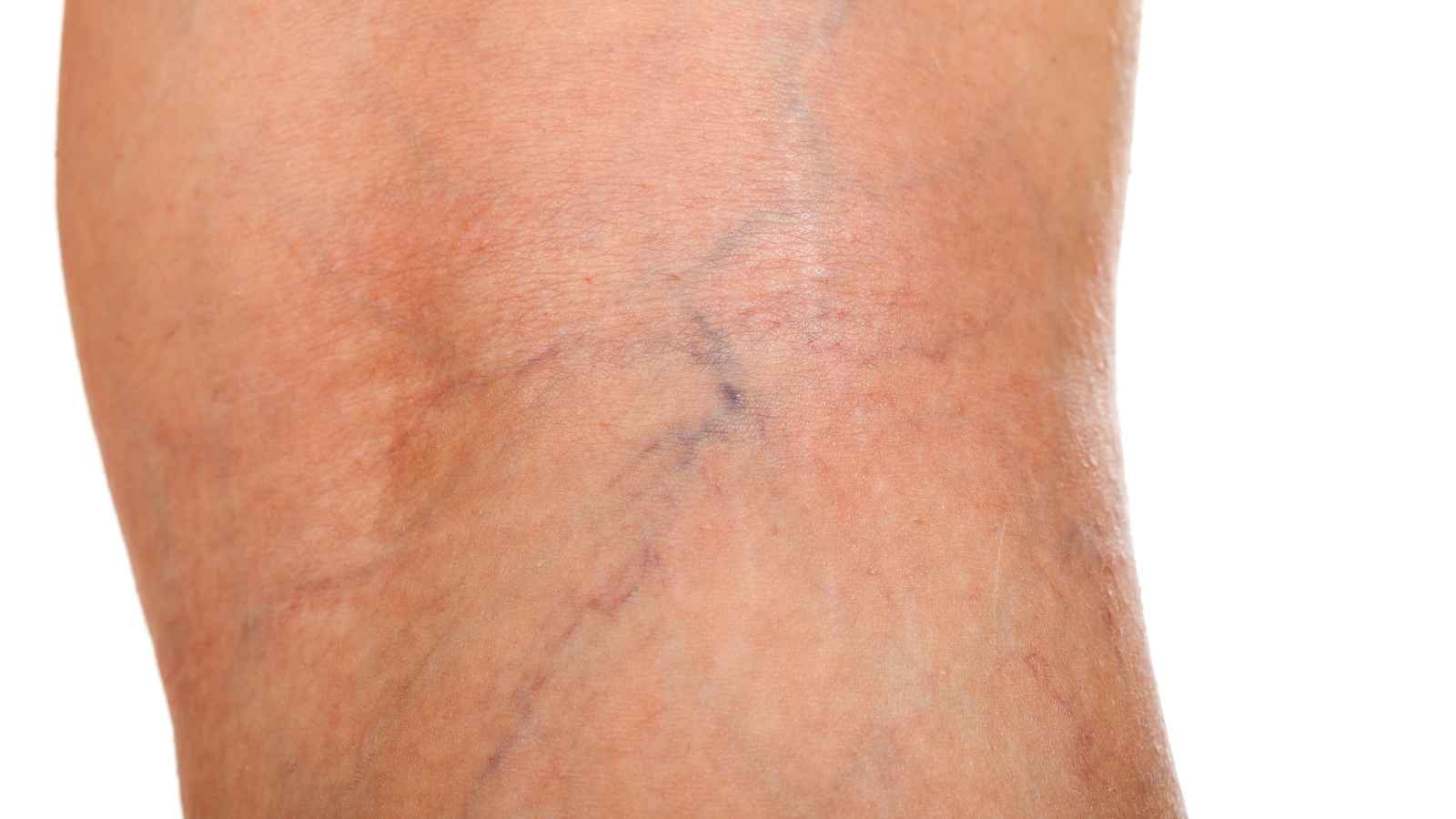
Healthy leg veins are pretty smart. They have tiny one-way doors called valves. These valves open to allow blood to flow up to your heart and then close to prevent it from flowing back down. It’s a neat little system that works against gravity. Your calf muscles also get in on the action. When you walk, your muscles squeeze the veins, acting like a pump to push blood upward.
This muscle pump is surprisingly robust. It needs to be, considering our bodies contain over 60,000 miles of blood vessels. When everything works correctly, your veins can move almost 70% of the blood in your legs upward with each step. But this system depends on movement. Sitting or standing for too long can throw a wrench in the works, making it harder for your veins to do their job.
What Happens in CVI
So, what goes wrong in Chronic Venous Insufficiency? Basically, those tiny one-way valves get weak or damaged. They don’t close properly, which lets blood leak backward. This backward flow is called venous reflux. It’s like a leaky faucet, but instead of water, it’s blood pooling in your lower legs. This pooling increases pressure inside the veins.
Over time, this constant pressure stretches out the vein walls, making them even less effective. It’s a frustrating cycle. This is what leads to symptoms like swelling, achy legs, and varicose veins. For about 10% of adults, this reflux becomes a serious issue. If you ignore it, high pressure can cause inflammation, skin damage, and even slow-healing wounds, known as ulcers.
Common Causes & Risk Factors
Why do some people get CVI while others don’t? Several factors can increase your risk. A major one is a history of deep vein thrombosis (DVT), which is a blood clot in a deep vein. Even after the clot is gone, it can leave behind vein damage that leads to CVI. Varicose veins are another significant factor, and they often run in families.
Other risk factors include:
- Obesity: Extra weight puts more pressure on your leg veins.
- Pregnancy: Hormones and the physical pressure from a growing baby can affect the veins.
- Age: The risk of CVI increases as you get older.
- A sedentary lifestyle: Sitting or standing for long periods makes it harder for your veins to pump blood.
- Family history: If your parents have vein issues, you may also be at risk. FYI, genetics can be a challenge at times.
Symptoms
The symptoms of CVI usually start small and get worse over time. One of the first signs is often swelling in the lower legs and ankles. This swelling tends to worsen at the end of the day, especially if you’ve been standing for a long time. A whopping 70% of people with CVI experience this.
You may also experience aching or tiredness in your legs. Some people describe it as a feeling of heaviness. Nightly leg cramps are also common, affecting over half of CVI patients. Other signs can include:
- Itching or tingling legs.
- Skin that looks reddish-brown, especially around the ankles.
- Thickened or hardened skin.
- Visible varicose veins.
- Open sores (ulcers) that are slow to heal.
Possible Complications
If CVI is left to its own devices, it can lead to some not-so-fun complications. The most serious are venous stasis ulcers. These are open wounds that form on the skin, usually near the ankles. They account for over 70% of chronic leg ulcers in older adults and can be very difficult to treat. They often take months to heal and can easily come back.
Another issue is skin infections, like cellulitis. The constant swelling and poor circulation make the skin more susceptible to bacterial infections. Some people also develop a condition called lipodermatosclerosis. This is where the skin on the lower leg becomes stiff, tight, and discolored due to long-term inflammation. Fragile veins, though rare, can also rupture and bleed. These complications underscore the importance of obtaining a diagnosis.
Diagnosis
Save this article
So, how do you know for sure if you have CVI? A doctor will start with a physical exam. They’ll look for swelling, skin changes, and varicose veins. They’ll also ask you about your symptoms and medical history. It’s a pretty straightforward start.
The primary test for diagnosing CVI is a duplex ultrasound. It sounds fancy, but it’s a simple, painless imaging test. It uses sound waves to create pictures of your veins and shows how blood is flowing through them. This test can detect any backward flow (reflux) and verify that your valves are functioning correctly. It’s very accurate, identifying CVI in over 90% of cases. An early diagnosis can significantly impact treatment outcomes.
Treatment & Management
The good news is that CVI is manageable. Treatment focuses on relieving symptoms and preventing the condition from worsening. The first line of defense is usually compression therapy. This involves wearing special medical-grade stockings that gently squeeze your legs. This pressure helps your veins and leg muscles move blood more efficiently. Clinical trials have shown that they are effective for up to 80% of patients.
Lifestyle changes also play a significant role. Simple things can make a big difference, such as:
- Elevating your legs: Prop your legs up above your heart level several times a day.
- Regular exercise: Walking is an excellent way to activate your calf muscles.
- Weight management: Losing extra pounds reduces pressure on your veins.
For more advanced cases, minimally invasive procedures are available. These include treatments that use lasers or radiofrequency to close off damaged veins. There are also options, such as sclerotherapy, which involves injecting a solution into the vein to close it. These procedures have high success rates. Surgery is typically a last resort for the most complex cases.
Your Long-Term Outlook
Living with Chronic Venous Insufficiency means managing a long-term condition. However, with proper care, most people can lead an active, everyday life. Sticking to your treatment plan is key. Over 75% of patients who follow their prescribed therapy see a significant improvement in their symptoms. Consistent care also cuts the risk of serious complications in half.
The most important takeaway? Don’t ignore the signs. If you experience persistent swelling, skin changes, or sores on your legs, consult a doctor. Getting checked out is the first step toward finding relief and maintaining your leg health for years to come. Your legs have to carry you through life, so it’s worth giving them the care they need, right?
Disclaimer – This list is solely the author’s opinion based on research and publicly available information. It is not intended to be professional advice.
How Total Beginners Are Building Wealth Fast in 2025—No Experience Needed

How Total Beginners Are Building Wealth Fast in 2025
I used to think investing was something you did after you were already rich. Like, you needed $10,000 in a suit pocket and a guy named Chad at some fancy firm who knew how to “diversify your portfolio.” Meanwhile, I was just trying to figure out how to stretch $43 to payday.
But a lot has changed. And fast. In 2025, building wealth doesn’t require a finance degree—or even a lot of money. The tools are simpler. The entry points are lower. And believe it or not, total beginners are stacking wins just by starting small and staying consistent.
Click here and let’s break down how.
12 Kitchen Hacks You May Not Know

12 Kitchen Hacks You May Not Know
Sometimes, preparing meals and dealing with food can feel like a bore and a chore – or just plain frustrating. We’ve got the best food hacks to pass down to you, helping you get in and out of the kitchen quickly. Not more drudgery, and dare we say it, some of these hacks are fun. Save money, too. Win-win!
Do you have a kitchen hack we should be aware of?





