

Foods that look cheap at checkout often carry hidden costs that show up later. Highly processed staples may save a few dollars upfront, but they tend to be less filling and more likely to drive repeat purchases and convenience spending. Over time, these patterns can quietly push food budgets higher rather than lower.
A study published in Health Affairs found that poor diet quality is associated with an estimated hundreds of dollars per person each year in higher health care costs. When medical expenses, lost productivity, and frequent repurchasing enter the picture, so-called cheap foods do not always turn out to be the most affordable choice.
Cheap calories vs expensive nutrients
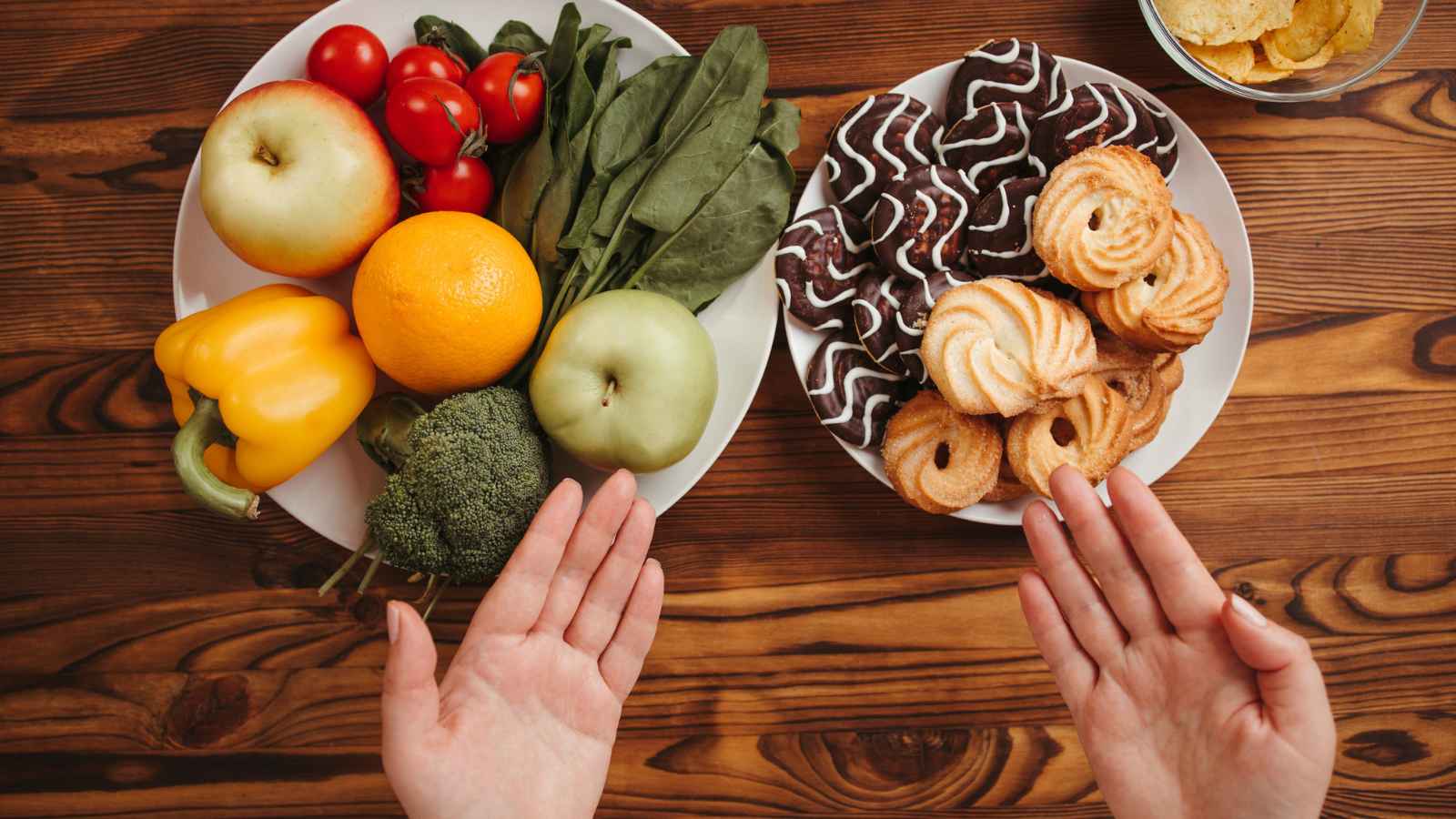
When researchers compare foods by cost per 100 calories, ultra-processed products almost always win. An analysis of more than 370 foods published by Drewnowski and colleagues compared the cost of ultra-processed and unprocessed items.
Ultra-processed foods averaged about 0.55 dollars per 100 kilocalories, while unprocessed foods like fruits, vegetables, and fresh meats averaged closer to 1.45 dollars per 100 kilocalories. These cheaper foods were also far more energy-dense and markedly poorer in vitamins, minerals, and protein per dollar.
Families do not just need energy. They need micronutrients and satiety, and on that basis, many bargain foods perform poorly and become expensive in nutritional terms.
The healthcare cost of low-cost diets
The savings from cheap food often reappear later as medical bills. An NHLBI-funded analysis published in Circulation estimated the economic impact of unhealthy diets in the United States.
It found that they account for roughly 50 billion dollars per year in healthcare costs related to cardiometabolic diseases such as heart disease, stroke, and type 2 diabetes. Nearly one-fifth of national spending on these conditions was tied to dietary patterns.
The largest contributors were low intake of nuts, seeds, and omega-3-rich seafood, alongside high intake of processed meat. These patterns closely track with convenience-oriented, lower-cost eating. What looks affordable at the grocery store shifts costs to clinics, hospitals, employers, and public insurance programs over time.
Food insecurity and compounding costs
Food insecurity adds another layer to this equation. A 2019 analysis summarized by the Pacific Business Group on Health found that food-insecure households incurred about 20 percent higher annual healthcare costs than food-secure households.
This amounted to roughly 2,500 dollars more per year, regardless of insurance type. These families are also more likely to rely on low-cost, energy-dense foods to stretch limited budgets.
PLOS Medicine estimates that food insecurity and poor nutrition substantially raise U.S. healthcare spending. Together, they add between 50 and 80 billion dollars annually by increasing chronic disease and hospital use. The narrative becomes clear. Cheap calories reduce grocery bills while inflating medical ones, redistributing costs rather than eliminating them.
Hidden personal costs beyond medicine

Poor diet quality carries financial penalties beyond healthcare. Economic syntheses show that diet-related cardiovascular disability alone drives more than 180 billion dollars per year in lost productivity in the United States. Diabetes adds more than 100 billion dollars annually through absenteeism, disability, and early retirement, according to estimates cited by the American Diabetes Association.
Obesity, strongly linked to ultra-processed food and sugary beverage consumption, magnifies these losses. When absenteeism, disability, and premature mortality are combined, workforce-related costs exceed one trillion dollars. These are expenses paid quietly through lost wages, stalled careers, and reduced economic participation.
Hunger that costs more to feed

Save this article
At the household level, cheap food can also undermine its own promise. Ultra-processed products are often less satiating and engineered for overconsumption.
Experimental trials, including a controlled feeding study by the National Institutes of Health, show that people spontaneously eat hundreds more calories per day when ultra-processed foods dominate their diets. This occurs even when meals are matched for macronutrients and offered at a similar cost.
This means families may need to buy more volume over time to achieve the same sense of fullness or satisfaction. The apparent savings at the shelf erode quietly as the cheap option must be purchased and consumed in larger quantities to meet nutritional and appetite needs.
Structural forces behind cheap food
Ultra-processed foods dominate low-cost diets for structural reasons. They are energy-dense, shelf-stable, heavily marketed, and supported by commodity crop subsidies. Their prices have also risen more slowly than those of fresh produce and other unprocessed foods.
A longitudinal pricing analysis found that average food prices rose by about 36.19 percent between 2004 and 2016. Over the same period, per-calorie prices increased by only about 0.14 dollars per 100 kilocalories for ultra-processed foods, compared with roughly 0.41 dollars for unprocessed foods.
This widening affordability gap makes ultra-processed foods appear like rational choices under financial pressure. The market rewards calories that last longer on shelves and travel farther, not nutrients that spoil quickly or require preparation time.
A global pattern with local consequences
Globally, the problem scales. Food price analyses from the FAO show that hundreds of millions of people cannot afford even the least expensive healthy diet available in their country. As a result, households default to basic staples and low-cost processed foods that meet energy needs but fall short nutritionally.
Policy reports describe this paradox as the high cost of cheaper food. The industrial food system delivers abundant, inexpensive calories while exporting the downstream costs to health systems, employers, and families.
As urbanization and chronic disease rise, these hidden costs threaten to overwhelm public budgets that already strain under medical spending.
Choosing rationally inside a flawed system
Families are not behaving irrationally. They are responding to prices as they exist. The system prices calories low and nutrients high, making ultra-processed foods the most accessible option for millions of people.
Over time, however, the economic logic reverses, as healthcare costs, productivity losses, and personal suffering accumulate. This tension offers a clear frame. Cheap food solves a short-term problem while creating a long-term one. The bill is simply delayed.
Key Takeaway

Foods that are cheap at the checkout often carry hidden costs later. Ultra-processed, low-price calories deliver energy efficiently but perform poorly nutritionally, drive chronic disease, and increase healthcare and productivity costs over time.
The true price of cheap food is not paid at the store, but gradually, through medical bills, lost work, and declining health across a lifetime.
Disclosure: This article was developed with the assistance of AI and was subsequently reviewed, revised, and approved by our editorial team.
Disclaimer – This list is solely the author’s opinion based on research and publicly available information. It is not intended to be professional advice.
Like our content? Be sure to follow us





