

That daily crash around 3 p.m. may have less to do with your coffee habits and more to do with how your body is built.
The afternoon slump has been blamed on lunch, on willpower, and on the size of the coffee mug. But biology tells a quieter and more unsettling story. What falters in the middle of the day is not motivation or discipline. It is timing. The human body, even when well fed and caffeinated, is built to dip.
What the “slump” actually is
In controlled laboratory settings, people show a reliable drop in alertness and performance in the early to mid-afternoon, even when meals are standardized or skipped entirely. Studies from the University of Pennsylvania and the Sleep and Performance Research Center show that reaction time slows and subjective sleepiness rises. This occurs whether or not lunch has happened, undermining the idea of a simple food coma.
This pattern aligns with what chronobiologists call a circasemidian rhythm, a roughly 12-hour oscillation layered onto the 24-hour body clock. Research synthesized by the National Institute of Mental Health describes this as a built-in “afternoon nap zone.” It is a biological valley distinct from nighttime sleep and present across cultures and age groups.
Two-process biology: circadian plus sleep drive
Modern sleep science frames alertness as the interaction of two forces. One is circadian, governed by the suprachiasmatic nucleus and entrained by light. The other is homeostatic, the sleep pressure that accumulates the longer the brain stays awake. This framework, formalized in the classic two-process model by Alexander Borbély and refined in later computational work, explains why fatigue is not linear across the day.
One influential mathematical formulation was developed by researchers at Harvard Medical School. It describes sleep propensity as the multiplicative interaction of sleep pressure and circadian rhythm, expressed as SP = S × R.
Within this model, a secondary peak in sleepiness appears in the early afternoon regardless of eating patterns. This underscores that the slump is a feature of human physiology rather than a dietary failure.
Why caffeine is the wrong main character
Caffeine works by blocking adenosine receptors, muting the chemical signal of sleep pressure. Its short-term benefits are real and well-documented. But caffeine does not erase sleep drive; it disguises it. And disguise has consequences.
A controlled study published by the University of Colorado Boulder examined the effects of caffeine before bedtime. It found that a dose equivalent to a double espresso taken three hours before sleep delayed melatonin onset by about 40 minutes, shifting the circadian clock later.
Experimental work from the Sleep Disorders and Research Center at Henry Ford Hospital examined caffeine intake before bedtime. It found that caffeine consumed up to six hours before sleep reduced total sleep time, increased nocturnal awakenings, and lowered sleep efficiency. The result is higher sleep pressure the following day, which often intensifies mid-afternoon fatigue rather than resolving it.
Social jetlag, schedules, and the 3 p.m. wall
The slump grows heavier when biological time and social time drift apart. Social jetlag, a term coined by Till Roenneberg of Ludwig Maximilian University, describes the mismatch between sleep timing on workdays and free days. Large population studies using data from the Munich ChronoType Questionnaire link this misalignment to greater daytime sleepiness, poorer mood, and lower self-rated health.
Recent analyses of working populations in Europe and North America suggest that roughly one quarter of adults experience more than one hour of social jetlag. Research published in Current Biology shows that greater variability in sleep timing is associated with higher fatigue scores. This makes the mid-afternoon dip feel sharper and harder to outrun.
Who feels it most: chronotypes and age
Not everyone hits the same wall. Modeling studies and field experiments indicate that morning chronotypes, often called larks, can show a more pronounced post-lunch performance dip than evening types. Work from the University of Basel suggests that earlier circadian peaks make the subsequent trough feel deeper, even when total sleep time is adequate.
Evening chronotypes, however, face a different burden. Because early work and school schedules force them to wake during their biological night, they accumulate sleep debt across the week. Studies from the University of Groningen show that this group experiences more social jetlag and heavier afternoon sleepiness, often despite higher caffeine intake.
Health stakes beyond feeling sleepy

The afternoon slump is not just an inconvenience. Chronic circadian misalignment has been linked to real disease risk. A large cohort study published in the National Library of Medicine examined differences between weekend and weekday sleep.
It reported that each additional hour of weekend oversleep was linked to a stepwise increase in cardiometabolic risk. In those with the greatest misalignment, cardiovascular risk was roughly 20 percent higher.
Save this article
Beyond long-term outcomes, people with higher social jetlag report worse overall health. They also report more depressive symptoms and persistent fatigue, according to surveys analyzed by the German Institute of Human Nutrition. These subjective burdens feed back into how severe and discouraging the afternoon slump feels.
What the experts say
Sleep researchers are blunt about what the slump represents. In reviews published in Sleep Medicine Reviews, scientists describe it as “an expression of a circasemidian rhythmic component.” They note that it reflects an intrinsic second valley in the day rather than a response to lunch or low coffee levels. The dip is expected. Fighting it with stimulants alone is like arguing with the tide.
Occupational health experts, including those at the World Health Organization, increasingly frame social jetlag as a public health issue. Their reports emphasize that misaligned schedules and long work hours, not individual laziness, drive widespread daytime sleepiness in modern societies.
Practical implications beyond another latte
If the slump is biological, the response must be biological too. Short, strategic naps of 10 to 30 minutes timed to the early afternoon nap zone have been shown to improve alertness and performance in NASA and University of California studies. When kept brief and early, they do not harm nighttime sleep.
Light exposure, movement, and consistent sleep timing matter more than an extra shot of espresso. Research from the University of Colorado Boulder demonstrates that regular morning light and stable bedtimes realign circadian rhythms and reduce accumulated sleep pressure. Over time, this softens the afternoon dip in ways caffeine cannot.
Key Takeaway
The afternoon slump is not a personal failing or a coffee shortage. It is the predictable meeting point of circadian timing, sleep pressure, and modern schedules that ignore both.
Treating it as a caffeine problem often deepens the cycle. Treating it as a timing problem offers a way out.
- 12 fruits that contain more vitamin C than oranges
- 12 reasons dragon fruit may be one of the healthiest fruits you’re not eating enough of
- Starting Your First Garden? Here Are the 10 Easiest Vegetables to Grow
The Best Root Vegetables for Better Vision

Around the world, most conversations about eye health focus on things like glasses, screen time, or supplements. But in public-health circles, the story actually starts much deeper—literally underground. Root vegetables, especially the ones loaded with carotenoids, play a major role in keeping our eyes healthy.
Vitamin A deficiency is still the leading cause of preventable childhood blindness around the globe, according to the World Health Organization. It contributes to an estimated 250,000 to 500,000 cases every year, especially in places where people don’t have access to foods rich in provitamin A. Learn more.
Common spices linked to colon cancer prevention
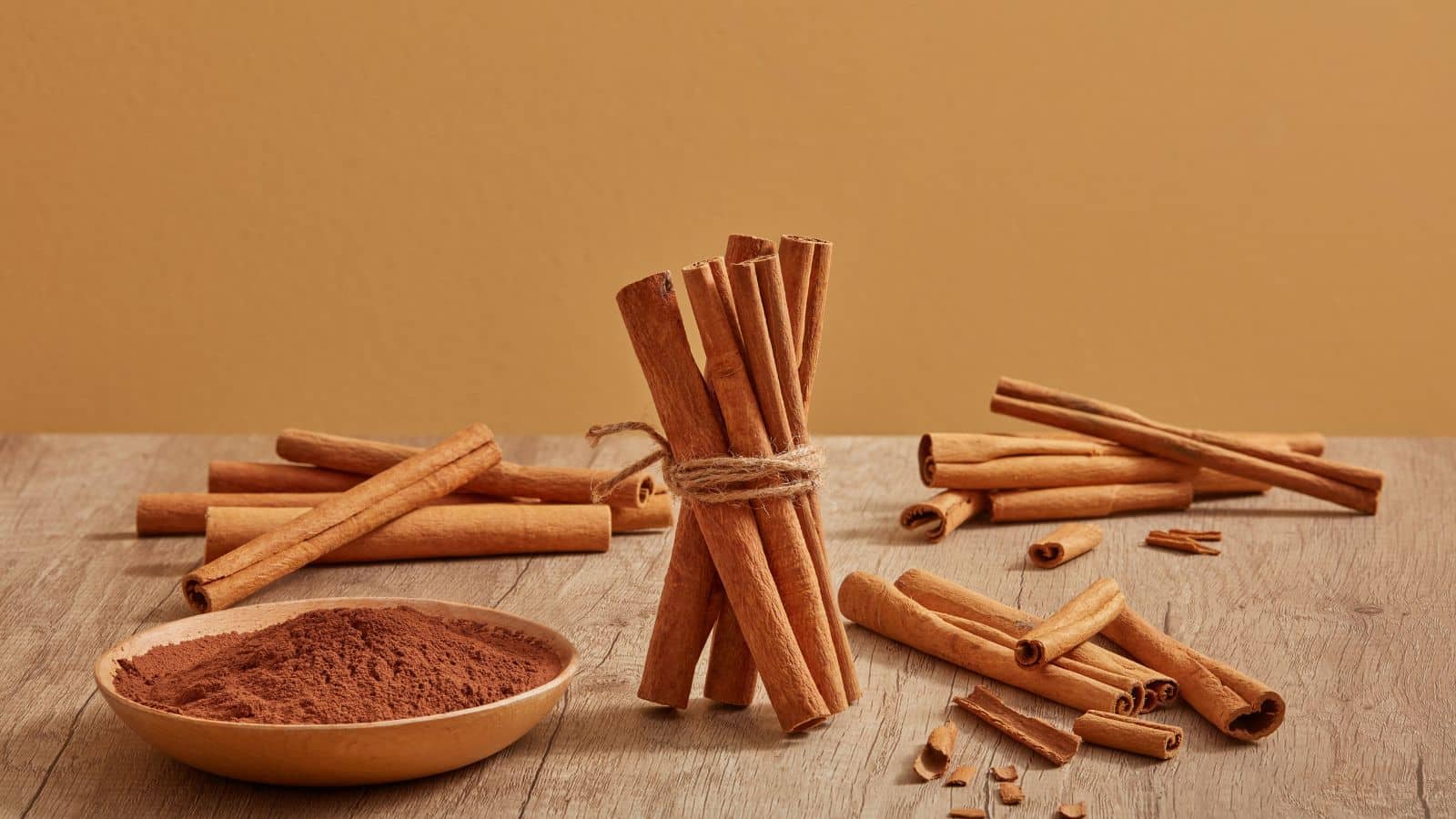
In the quiet routine of seasoning a meal, you may be adding small, powerful defenses against one of the most common cancers.
Your spice rack might actually be hiding some powerful health benefits. It turns out that a handful of common pantry staples pack a serious punch against serious illnesses. Medical researchers are looking closely at how everyday seasonings can fight back against cellular damage in the digestive tract. Learn more.
Which protein is actually better for arthritis, plant or animal?

With more than 53 million Americans living with arthritis, emerging research points to nutrient balance—not protein source alone—as the real driver of bone and joint health.
CDC estimates from 2019–2021 show about 21.2% of US adults (around 53.2 million people) report a doctor’s diagnosis of some form of arthritis (including osteoarthritis, rheumatoid arthritis, gout, lupus, etc.). Osteoarthritis (OA) is the most common joint disorder in the US (over 32.5 million US adults live with it), mainly affecting knees, hips, hands, and spine. Learn more.





