

There is a summer afternoon habit that feels almost automatic: find the biggest tree nearby and sit under its shade. The wider the canopy, the more reassuring the spot seems. A massive oak that has stood for generations can feel like a dependable escape from the heat.
Yosemite National Park wants visitors to rethink that assumption.
Park officials have issued a warning about a phenomenon called Summer Branch Drop, a seasonal pattern in which a large, apparently healthy limb falls from a tree on hot, windless afternoons without a storm or obvious warning. The alert reached visitors this summer through the park’s official social media accounts as temperatures climbed across Yosemite Valley and surrounding areas.
The warning has since gained attention among national travel outlets, making it very relevant for anyone planning a summer visit to a park, campground, or outdoor space. The ultimate concern is not that trees should be avoided, but that certain conditions can create a risk many visitors would never expect.
The shady spot that looks perfectly safe may be the last place to stop on a hot, windless afternoon.
What Summer Branch Drop Is, and Why It Catches People Off Guard
Summer Branch Drop is a seasonal pattern tied specifically to Yosemite’s trees, and the trees involved give almost no visible warning before shedding a limb.
Park officials describe it as “a seasonal occurrence when a seemingly healthy tree suddenly loses a limb, oftentimes without warning.” The trees that shed these limbs, according to the park, “appear to be quite sound.”
That is what makes Summer Branch Drop so difficult to recognize. Most people associate falling branches with storms, strong winds, or trees showing obvious signs of damage. This phenomenon creates a different situation: a calm afternoon when everything around a visitor appears completely normal.
Why Heat and Calm Are the Actual Warning Signs
According to park officials, Summer Branch Drop occurs most often in conditions that feel the least threatening: hot, still afternoons with no wind.
Yosemite Park says the phenomenon happens “on particularly hot, calm afternoons when there is no wind.” Those conditions are often exactly when visitors want to stop, relax, and enjoy the shade beneath a large tree.
There is not yet a definitive explanation for why those conditions appear to increase the risk. What Yosemite has identified is the pattern itself and the steps visitors can take to reduce the chance of injury.
Where the Branches Break, and Why That Matters
Yosemite describes a specific physical profile for Summer Branch Drop that means the danger zone extends much farther from the trunk than most visitors would assume.
Officials say the branches involved are “long and horizontal, as opposed to upright, frequently extending to or beyond the average tree canopy.” According to the Park, these branches typically snap 3 to 12 feet from the trunk. Wind-damaged limbs usually break where the branch connects with the trunk.
That difference changes how visitors judge a safe place to rest. A spot that seems far enough away from the tree base may still sit directly beneath a long branch stretching above the canopy.
Who Should Pay the Closest Attention
Yosemite’s guidance specifically names people who may not be able to move quickly, and the scenarios it describes are everyday, not extreme.
They advise visitors not to leave “immobile individuals, including infants and older adults,” directly beneath large oak trees on hot days. The same guidance applies to sitting, picnicking, and pitching a tent beneath black-oak branches.
For families with strollers, older relatives, or anyone with limited mobility, the message is simple: where you stop matters. The park also recommends avoiding trees that have already lost limbs, staying away from visibly damaged trees, and reporting fallen trees or branches to a ranger. If a crack is heard overhead, officials advise visitors to “quickly run away from the tree itself.”
In addition, they are clear about the limits of prediction: “There is no way to know exactly when Summer Branch Drop is going to occur, but there are a few things you can do to prevent injury.”
Heat Safety Carries Its Own Separate Warning This Summer
Beyond branch drop, the National Park Service issued a heat advisory this July covering several parts of Yosemite, adding a second layer of guidance for summer visitors.
Save this article
The advisory highlighted extreme heat in Yosemite Valley, Wawona, Hetch Hetchy, and other lower-elevation areas. Visitors were encouraged to bring fluids and electrolytes and plan strenuous activities during cooler parts of the day.
Together, the heat advisory and branch-drop warning point to the same everyday decision: where visitors choose to rest. Shade remains important during hot weather, but Yosemite officials want visitors always to consider the source of that shade.
Falling Limbs Have a Long History at Yosemite
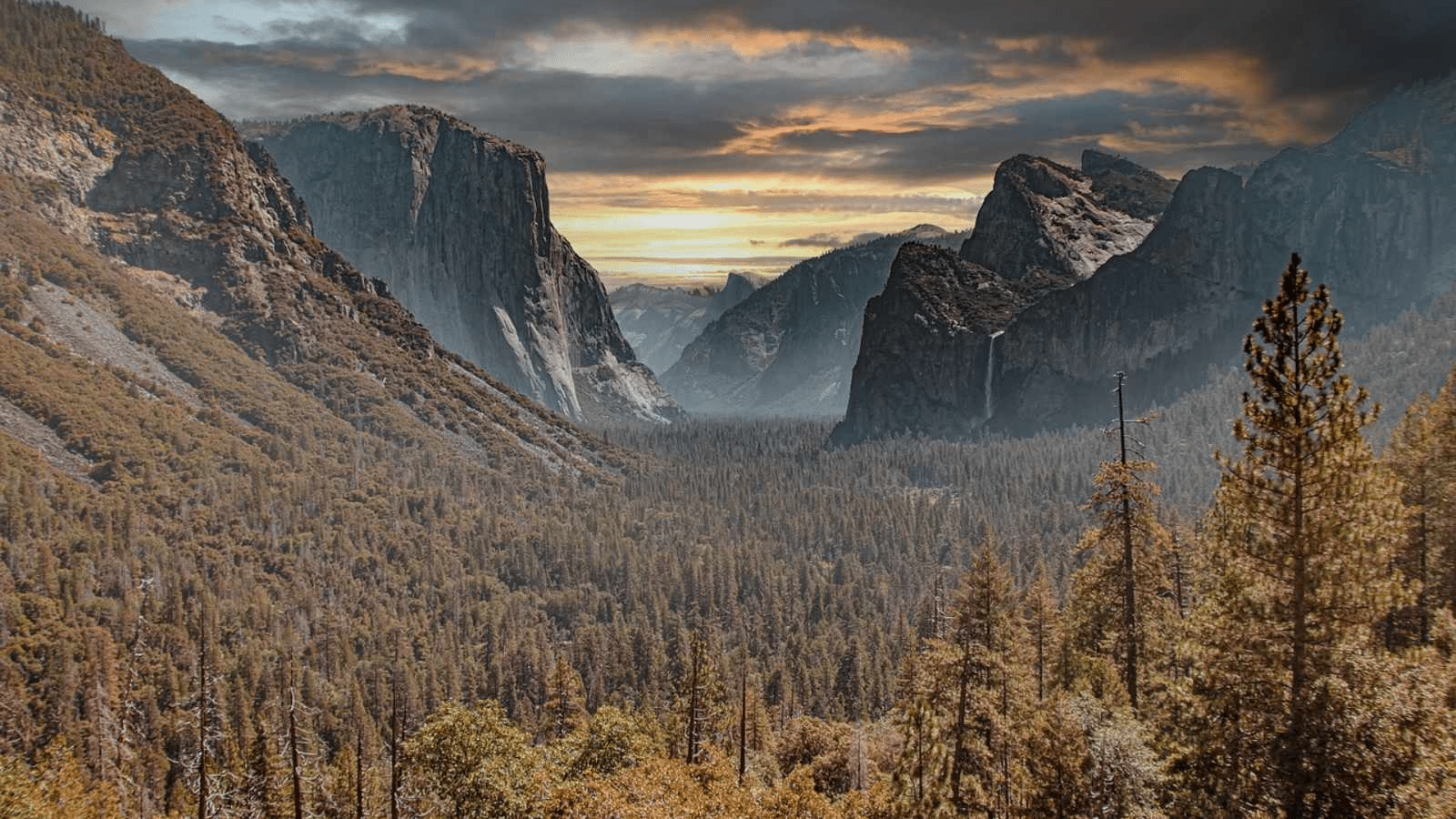
Yosemite has dealt with falling tree and branch incidents for many years involving different species and circumstances.
The current warning focuses specifically on Summer Branch Drop, but it comes within a longer history of tree-related risks throughout the park.
In August 2015, two minors sleeping in a tent were killed when an oak limb fell at Upper Pines Campground in Yosemite Valley at about 5 a.m., according to ABC News. At the time, Yosemite spokesman Scott Gediman told the Los Angeles Times that “fallen branches like this one are a common occurrence across the park.”
According to the Los Angeles Times, a 25-foot oak branch reportedly fell onto an open-air tram in 1985, killing two tourists and injuring nine. Also, in 1992, an oak branch reportedly injured seven people on a tour bus.
Most recently, 29-year-old Angela Shih Lin died in 2025 after falling branches struck her during a hike in Yosemite’s Tuolumne Grove. Available reporting does not establish a confirmed connection between her death and Summer Branch Drop. She was reportedly struck in a giant sequoia grove, although the park’s current warning focuses specifically on black oaks.
Falling-limb incidents at Yosemite have happened under different conditions, across multiple tree species, and through different causes. Summer Branch Drop is one recurring pattern within that broader history, and the park’s warning highlights a simple reality: sometimes the greatest risk appears during the most ordinary outdoor moments.
QUESTION FOR READERS: When you are spending time outdoors on a hot day, how do you typically decide where to stop and rest, and does a warning like this one change how you think about seeking shade?





