

Trillions of microbes in the human digestive tract actively prime the immune system before a stroke, helping determine how severely the brain suffers when blood flow stops.
Doctors have long treated stroke as an isolated plumbing crisis inside the skull, where every ticking second of oxygen deprivation destroys brain cells. Yet a landmark study published in the journal Cell on September 29, 2026, reveals that gut bacteria quietly rig the body’s post-stroke immune defense long before an artery clogs.
That discovery arrives at a critical moment for public health, as 11.9 million people suffer a new stroke every year and 7.25 million die from one globally, according to data from the Global Burden of Disease study. Understanding why one patient recovers smoothly while another suffers permanent paralysis may finally come down to the chemical chatter inside the intestines.
The Hidden Link Between Digestive Microbes And Global Brain Injury
Rising global rates of stroke disability and metabolic disease are forcing neurologists to look beyond clogged cerebral arteries and examine how systemic gut health shapes brain vulnerability.
Globally, 93.8 million people currently live with the aftermath of a stroke, accounting for over 160 million disability-adjusted life years lost each year. Roughly 1 in 4 adults over age 25 will experience a stroke during their lifetime, making it the second leading cause of death worldwide and the fourth in the United States.
Between 1990 and 2021, global stroke incidence surged by 70%, related deaths climbed by 44%, and the number of survivors living with disability jumped by 86%. In the United States alone, the age-adjusted stroke death rate rose 7.0% between 2012 and 2022, reversing decades of hard-won medical progress.
Ischemic strokes, where a clot blocks blood flow to the brain, make up roughly 65% of all cases worldwide and up to 87% in high-income nations. Emergency clot removal saves lives, yet restoring circulation isn’t the end of the crisis because secondary immune inflammation often destroys surrounding brain tissue.
Related: Americans’ Gut-Healthy Eating Habits Stay Flat Even as Probiotic Use Soars 287%
Latest Developments From The Munich Microbiome Study
Researchers at LMU Munich discovered that specific gut bacteria convert dietary amino acids into a chemical called indole, which significantly worsens brain damage after an ischemic stroke.
Led by Dr. Corinne Benakis at the Institute for Stroke and Dementia Research (ISD) at LMU Munich, and co-first authors Dr. Rosa Delgado Jiménez, Alexandria Ruggles, and Mujeeb Adedokun, the team investigated why stroke severity varies so widely. In their experimental mouse models, 43% of animals developed severe strokes while others suffered much milder brain injury despite undergoing identical procedures.
Analysis of the intestinal flora revealed that mice with severe strokes lost beneficial anaerobic bacteria like Muribaculaceae and Akkermansiaceae while experiencing an overgrowth of Escherichia coli (E. coli). Specifically, severe brain damage tracked with bacteria carrying the tnaA gene, which enables microbes to convert tryptophan, an amino acid found in everyday protein, into a metabolite called indole.
Because human and mouse cells can’t produce indole on their own, all indole in the body comes exclusively from gut bacteria. Giving mice indole before a stroke enlarged brain lesions and worsened neurological deficits, whereas colonizing mice with an indole-deficient E. coli strain resulted in far less brain injury.
“We usually think of stroke as an injury restricted to the brain, but our findings show that the gut can help shape the immune response to that injury,” says Dr. Delgado Jiménez. Rather than sitting on the sidelines, gut microbes actively program the immune system before a stroke ever occurs.
How Intestinal Immune Cells Direct Traffic To The Brain
Microbial indole worsens stroke damage by flipping a molecular switch in intestinal immune cells, preventing them from reaching the brain’s outer membrane to calm inflammation.
To uncover how a digestive byproduct damages the brain, the researchers examined dendritic cells, which patrol the intestinal lining like microscopic sentries. These immune cells carry a sensor called the aryl hydrocarbon receptor (AHR) that detects and binds bacterial indole.
Save this article
“Dendritic cells have long extensions, like arms, that allow them to sense changes in their environment, including metabolites produced by gut bacteria,” explains Dr. Delgado Jiménez. “When we switched off AHR, the behavior of these cells changed completely: dendritic cells were more potent to migrate from the intestine to the meninges, the membrane surrounding the brain. These dendritic cells also promoted protective T cells and helped reduce the damage in the brain.”
Using single-cell RNA sequencing and the chemical AHR blocker CH-223191, the team proved that silencing this receptor triggers a surge of regulatory T cells that shield injured brain tissue. However, when excessive indole switches AHR on, that protective gut-to-brain rescue mission stalls.
Scientific Context And What The Evidence Proves In Humans
While human stroke patients carry higher levels of indole-producing bacteria linked to poorer recovery, scientists caution that causal proof currently exists only in animal models.
Separating proven laboratory mechanisms from early human observations is essential for balanced medical reporting. Working with clinical teams led by Israel Fernández-Cadenas in Barcelona and Lorenz Hirt in Lausanne, the researchers analyzed gut samples from human ischemic stroke patients.
Metagenomic analyses revealed that both E. coli and the bacterial tnaA gene were significantly enriched in stroke patients compared with healthy controls. Higher tnaA abundance also correlated with worse functional outcomes 90 days after a stroke in unadjusted analyses. After adjusting for clinical factors, however, tnaA showed a strong trend rather than an independent causal link, meaning bacterial tryptophan metabolism isn’t a standalone clinical biomarker just yet.
This nuance highlights a broader truth in microbiome research: different gut chemicals exert opposite effects on the injured brain. While pre-stroke indole priming via intestinal AHR aggravates stroke damage, beneficial short-chain fatty acids (SCFAs) like sodium butyrate actually cross the blood-brain barrier to calm microglial inflammation and aid recovery.
Why Metabolic Risk Factors Make This Discovery Urgent
Because indole-producing bacteria thrive in people with obesity and type 2 diabetes, targeting the gut microbiome could offer a powerful new way to protect high-risk populations.
Perhaps the most striking finding of the Cell study is that tnaA-carrying bacteria are already more abundant in individuals with obesity and type 2 diabetes, two major stroke risk factors. Global deaths tied to high body mass index jumped 42.8% between 2010 and 2021 to reach 3.71 million annually, helping drive projected global stroke deaths toward 9.7 million per year by 2050.
If metabolic disorders quietly cultivate indole-producing gut microbes, millions of high-risk patients may walk around with immune systems pre-wired for severe brain damage. Uncovering this microscopic chain reaction required an international scientific effort backed by the German Research Foundation’s TRR 355 consortium.
“This work required expertise that a small group like ours could not have covered alone,” notes Dr. Benakis. “The TRR 355 network supported us financially, and we also benefited from the expertise of group leaders within the consortium. In addition, we collaborated with Michael Zimmermann at EMBL and Michael Gigl at TUM, to detect tryptophan metabolites and microbial indole, which is technically challenging. It was a real team effort.”
Clinical researchers worldwide, including an ongoing cohort trial at the Affiliated Hospital of Nantong University (NCT07247838), are now tracking gut microbiome and cytokine shifts within 48 hours of acute ischemic stroke. “We still need to determine whether the mechanism we identified in mice also occurs in patients, but our findings open new avenues for investigating whether the gut microbiota could eventually be targeted to improve stroke outcome, including through preventive approaches in people at increased risk of stroke,” concludes Dr. Benakis.
The Gut Check On Brain Recovery
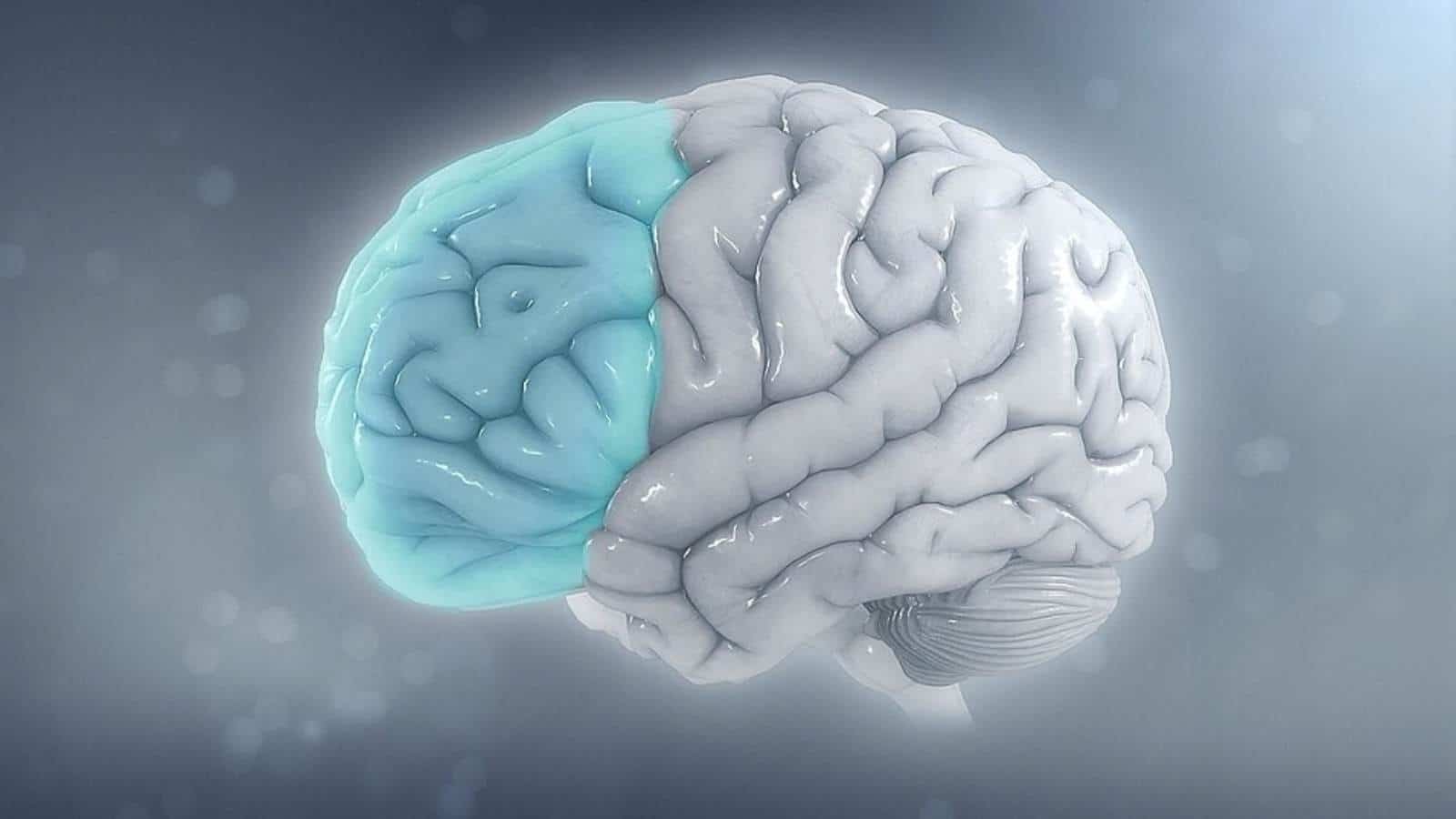
Protecting the brain from catastrophic stroke damage may soon begin in the digestive tract by silencing harmful bacterial genes and unlocking protective immune cells.
Roughly 80% of strokes are already preventable through blood pressure and lifestyle management. Adding precision microbiome therapies, such as blocking bacterial tnaA enzymes or tuning intestinal AHR receptors, could revolutionize preventive care for patients living with obesity or diabetes.
How might everyday preventive healthcare change if routine doctor visits begin screening gut bacteria to measure brain resilience before a medical emergency strikes?