

Was the food of the 1980s really that bad, or have we just forgotten what it taught us? The American diet has undergone a seismic shift since the era of big hair and even bigger shoulder pads.
Data from the CDC’s NHANES show a troubling trend: from the late 1970s to the early 2000s, the average daily caloric intake of American adults increased by over 300 calories, primarily due to the consumption of ultra-processed foods and sugary drinks.
The eating habits that emerged in the ’80s correlate perfectly with the spiralling rates of obesity, type 2 diabetes, and cardiovascular disease, which are costing the U.S. healthcare system hundreds of billions of dollars a year, according to a new report published in Circulation in 2023.
What is especially notable about this is that, while we often dismiss most ’80s food as retro nonsense, it contains an important, unrecognized component of the very moment when our food system began to change in a significant way.
Quiche Lorraine

Long before it arrived in brunch restaurants, this egg and bacon tart was a battlefield of ideology. Quiche Lorraine, cream custard, eggs, and bacon in a flaky pastry case, was an unlikely symbol of a 1980s food sex war. Its success in American restaurants and homes opened the way for a strange cultural renaissance.
Bruce Feirstein’s 1982 bestseller, “Real Men Don’t Eat Quiche,” sold over 1.5 million copies. Although the book was not situated in food, it was about the changing image of men in the post-feminist age, and quiche became a metaphor.
The foodways dominated by “quiche” showed a shift from what American comfort food was defined by (meat and potatoes) toward more “refined” foodways from our European roots.
The emergence of quiche and the subsequent food trend reveal a great deal about food and social identities; food is rarely about hunger, but it serves as a powerful signal of belonging.
A 2022 article in the journal Psychology of Men & Masculinity demonstrated that traditional views continue to influence men’s dietary preferences. Specifically, men who hold these views are more likely to favor meat-heavy diets and avoid foods that are perceived as feminine.
A notable example of this phenomenon is the “quiche wars” of the 1980s. The discussion around quiche serves as a reminder that the dish was once culturally regarded as taboo. It’s essential to recognize that some women and men enjoy eating quiche without facing prejudice.
Blackened Redfish

This dish wasn’t just a recipe; it was a full-blown pyrotechnic event that set the culinary world on fire. Blackened redfish is the creation of legendary New Orleans chef Paul Prudhomme, who introduced it to the world at his restaurant K-Paul’s Louisiana Kitchen in the early 1980s.
The technique involves dredging a redfish fillet in a proprietary blend of cayenne pepper and other spices, then searing it in a white-hot cast-iron skillet, creating an intensely flavorful, dark crust that is not burnt.
The raw drama of the process, one that often filled restaurant kitchens with wisps of hot smoke, was the ideal match for the decade’s fever to consume big flavors and even bigger presentations.
The dish became an overnight sensation, a meal that was obligatory and transcended its Louisiana regional origins, making appearances on menus from New York to Los Angeles. The overnight fame of blackened redfish, however, is a stern and cautionary reminder of the appetites of consumers and the limits of nature.
The craze created such demand for once-humble fish that commercial fishing ultimately destroyed the red drum population in the Gulf of Mexico. Stocks of redfish had declined to critically low levels by the mid-1980s, according to National Oceanic and Atmospheric Administration (NOAA) figures.
In 2023, the State of Food and Agriculture published an article stating, “This was one of the first modern examples of a food craze leading to a significant environmental crisis.”
While strict laws and decades of protection have since allowed redfish to make a comeback, the history of this species serves as a warning about the sustainability of all food sources.
Tri-Color Pasta Salad

Rotini, shaped like a corkscrew and available in colors of green, white, and red, was a highlight at every potluck, picnic, and barbecue in the 1980s. This salad typically featured corkscrew pasta, bottled Italian dressing, cubes of cheese, salami, and a few black olives or cherry tomatoes.
It embraced an ’80s approach to health by presenting itself as a cold “salad,” even though it was loaded with refined carbohydrates from the pasta, processed meats, and a fatty dressing.
Rotini pasta salad is often served as a quick dinner option, particularly for Americans who prefer the convenience of supermarket culture or don’t want to commit to making homemade meals for their families.
Supermarket culture developed in the mid-1960s, and the commitment to a “homemade meal” seemed less troublesome than the supermarket frozen/reheating method of putting meals on the table for the family.
According to USDA food consumption statistics, per capita pasta consumption in the U.S. increased by 40% between 1980 and 1990, and bottled salad dressings also experienced a rise in consumption. From then on, food manufacturers were on a roll, improving their formulas and creating new sweeteners.
Mintel states that innovation in processed food is a key factor in developing a combined palate, as the average American becomes more attuned to a synergy of sweet and savory flavors.
It is possible to build back a better pasta salad, with whole-wheat pasta, fresh vegetables, and house-made vinaigrette. This suggests that authenticity can sometimes be rescued from processed pasta.
Chicken Marbella

If you attended a dinner party in 1985, there’s a good chance you were served Chicken Marbella. This dish features a savory, sweet, and tangy blend of chicken, prunes, olives, and capers.
Chicken Marbella became a standout dish, celebrated for its one-pan preparation that felt remarkably sophisticated yet was surprisingly simple to make. This recipe marked a significant shift in American dining culture, representing a turning point for the modern home cook.
It was a growing interest in global flavors, reaching beyond the familiar and welcoming ingredients from the Mediterranean, such as capers and high-quality olive oil, which were just starting to appear on specialty food store shelves.
Specialty food magazines, such as Bon Appétit, experienced a significant increase in circulation over the decade as national interest in gourmet home cooking grew, both as a recreational activity and a means to enhance social status.
The recipes presented in the magazine remain relevant today, symbolizing culinary creativity and balance, and serving as a reminder of the adventurous spirit that characterized the early days of American home cooking.
Sloppy Joes

The Sloppy Joe must be the unassailable king of sloppy, retro, and totally satisfying comfort food, a rather unpretentious sandwich, no less, of ground beef simmered in a sauce of blended tomatoes and piled on a hamburger bun; the sloppy Joe was a weeknight dinner savior, that adopted family dinners everywhere in the 1980s.
Its fame derived from versatility and thrift in creating meals out of one pound of ground beef for the whole family. Even the branded convenience foods gave the sloppy Joe a veneration, with canned sauces, such as Manwich, introduced in 1969, reaching their peak in that decade.
The brilliance was in marketing not only a sauce, but a product sold as a solution: “A sandwich is a sandwich, but a Manwich is a meal.” It was a comfort food that relied on packaged sauces and redefined the concept of home cooking. The recipe existed since the 1930s, but the ’80s version had processed ingredients.
The marketing of food during this period focused on speed and convenience, as an increasing number of women began working and had less time than ever for meal planning.
Bureau of Labor Statistics statistics show that the labor force participation of women with children under the age of 18 rose from 47% in 1975 to over 65% by the late 1980s. This demographic shift was a huge market for products that provided a home-cooked meal without the effort.
Making a Sloppy Joe from scratch today highlights the significant difference in taste and nutritional content, echoing the trade-offs between convenience and quality that were evident forty years ago.
Seven-Layer Dip

No 1980s Super Bowl party or potluck was complete without a glass trifle bowl holding the distinctive layers of the seven-layer dip. This Tex-Mex wonder is a culinary archaeological excavation, with layers of refried beans, guacamole, sour cream, salsa, cheese, tomatoes, and black olives.
It required no cooking whatsoever, just assembly, and therefore it served as the perfect party food. The dip tracked alongside a once-regional food, Tex-Mex, that became national. The dip is an example of how international food gets Americanized.
While its components are of Mexican origin, the finished product, a cold, layered, scoopable dip eaten with corn chips, is a purely American invention.
Save this article
It was widely consumed during the rise in popularity of the components that comprise the dip. U.S. Department of Agriculture data reported a nearly doubling of avocado consumption per capita in the U.S. over the last 35 years (the rise of guacamole in these meals is a key factor).
“The seven-layer dip taught Americans that Mexican food could be party food,” food historian Sarah Wassberg Johnson said in a 2024 food culture podcast. “It was democratic, it was unthreatening, and it was ideal for group munching, with a bag of Tostitos, which also saw explosive growth that decade.”
Pesto

Before the 1980s, pesto was a little-known specialty from Genoa, Italy. By the end of the decade, the vibrant green sauce, featuring basil, pine nuts, garlic, Parmesan cheese, and olive oil, had become ubiquitous.
It was thickly slathered on pasta, dolloped on chicken, and spread on sandwiches, becoming the trendiest food item of the decade.
The rapid and unexpected popularity of pesto was part of America’s growing infatuation with Italian cuisine, moving beyond our comfort zone of classic red-sauce dishes into a worthy appreciation for the vast regional differences as well.
It tasted fresh, contemporary, intensely flavored, a taste of summer in a jar, miles different from the heavy cream sauces that had previously characterized “fancy” pasta dishes, and pesto’s surging popularity coincided with several factors, including the increased ability to travel abroad and a continually emerging foodie culture that wanted new flavors.
It also highlighted a growing demand for fresh, seemingly healthier ingredients. Basil, previously a minor herb in the American kitchen, was suddenly being grown on an industrial scale.
However, the trend also spawned a host of mass-produced, shelf-stable versions that often bore little resemblance to the real thing, using cheaper nuts like walnuts or cashews and replacing a portion of the olive oil with less expensive vegetable oils.
According to a 2023 report from the Specialty Food Association, the demand for authentic, high-quality ingredients, which began with trends like pesto, continues to drive the gourmet food market today. Making a batch of fresh pesto from scratch is a reminder of the potent, simple power of the original.
Sun-Dried Tomatoes

If pesto was the ’80s go-to signature sauce, the sun-dried tomato was its accessory ought. Sturdy, burst-of-flavor redolent bites of dried tomato began showing up in everything from pasta salad and pizzas to bread and vinaigrettes.
Similar to pesto, they provided a burst of “gourmet” Italian sophistication to the dish they were added to. Their rich, intense flavor was a revelation to the American taste, offering intensity and richness that fresh tomatoes could never supply.
For a couple of years, it seemed that no elegant meal was complete without their distinctive red chew, the best evidence of the period’s “more is more” approach to cookery.
The sun-dried tomato craze was a spin-off of increasing international food commerce, which introduced specialty foods from Europe into the budget of American consumers and chefs. Before long, California producers were making them in the state to meet the booming demand.
However, as with many of these food fads, the market eventually became saturated, and by the 1990s, the sun-dried tomato had become a culinary cliché, a joke suggesting an over-the-top attempt at being hip.
“Food trends cycle through a normal life cycle of discovery, obsession, saturation, and backlash,” notes food trend observer Dana Cowin. “The sun-dried tomato is an example. Its rise to culinary stardom was as rapid as its fall from grace.”
Today, they have less visibility in the kitchen, but their brief popularity in the 1980s was an important reminder of how quickly a “trendy ingredient” can become clichéd.
Ranch Dressing

Created in the 1950s, ranch dressing experienced phenomenal success in the 1980s when it gained mainstream popularity in America.
No longer simply a salad dressing, ranch has evolved into a cultural icon, a rich, creamy blend of buttermilk, garlic, onion, and spices, often used as the default dip for nearly everything from carrot sticks to chicken wings to pizza crust.
Its dominance as America’s favorite dip was solidified in 1983, when Hidden Valley Ranch introduced bottled, shelf-stable dressing to the marketplace, placing ranch on America’s tables in homes and restaurants.
By the end of the decade, Ranch was surpassing Italian as America’s number one bottled dressing, a position it has consistently maintained.
The ubiquity of ranch dressing on salads, pizzas, or other foods is widespread due to its combination of fats, salt, and potent herbs that not only contribute flavor to foods but also reflect an American love of creamy, easy comfort food.
Ranch dressing gained popularity with the rise of salad bars in chain restaurants like Wendy’s and Pizza Hut, transforming the way Americans consume salads. It has since become a comforting flavor and a significant national phenomenon in the consumption of vegetables.
Dirt Cake (Pudding Pie)

Much like the 1980s dessert, it was excessive, no-bake, and made from pre-packaged brand-name items. The dirt cake consisted of a “soil” layer made from crushed Oreos and a “mud” layer composed of pudding, cream cheese, and Cool Whip, served often in a plastic flowerpot with gummy worms.
It highlighted the contrast between fast and slow food, as well as between subdued and artisanal sugar, embodying the decade’s fascination with novelty. Relying on playfulness rather than pastry art, it was popular at children’s parties and family reunions, a 1980s pantry time capsule.
Key ingredients, such as Oreos, instant pudding, cream cheese, and Cool Whip, were marketed for ease, portraying processed ingredients as foolproof. Food writer Michael Pollan describes this as part of a broader industry message that cooking is drudgery, and these products offer a sense of liberation.
Dirt cake exemplifies this nostalgic yet simplistic view of cooking, reflecting who we let cook for us.
Key Takeaways

Reflecting on the food of the ’80s is not purely nostalgic; it serves as a roadmap to our current eating habits. The recipes reveal when convenience cooking began to transform Americans’ kitchens, when world cuisines sparked a culinary awakening, and when trends in food started to take hold.
The lasting takeaway is the agency we have: cooking the classics from scratch is not just about taste and nutrition; it will empower us, which means acquiring recipes and skills that were previously traded for convenience, as well as ingredient awareness.
Follow these recipes to create a more intentional and delicious future, having learned from experience how our food system has changed.
Disclaimer – This list is solely the author’s opinion based on research and publicly available information. It is not intended to be professional advice.
16 grocery staples to stock up on before prices spike again
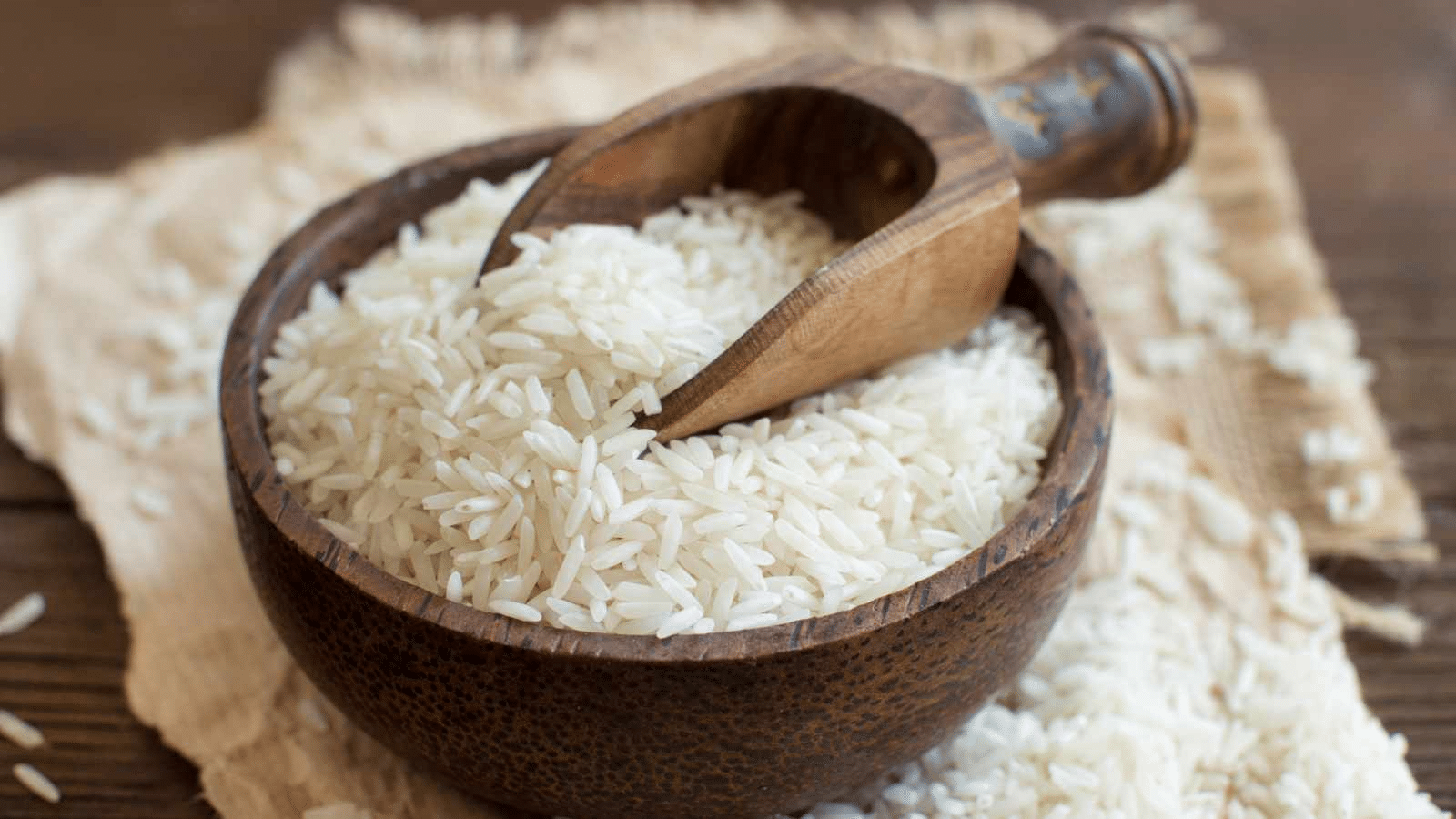
16 Grocery Staples to Stock Up On Before Prices Spike Again
I was in the grocery store the other day, and it hit me—I’m buying the same things I always do, but my bill just keeps getting higher. Like, I swear I just blinked, and suddenly eggs are a luxury item. What’s going on?
Inflation, supply-chain delays, and erratic weather conditions have modestly (or, let’s face it, dramatically) pushed the prices of staples ever higher. The USDA reports that food prices climbed an additional 2.9% year over year in May 2025—and that’s after the inflation storm of 2022–2023.
So, if you’ve got room in a pantry, freezer, or even a couple of extra shelves, now might be a good moment to stock up on these staple groceries—before the prices rise later.
6 gas station chains with food so good it’s worth driving out of your way for
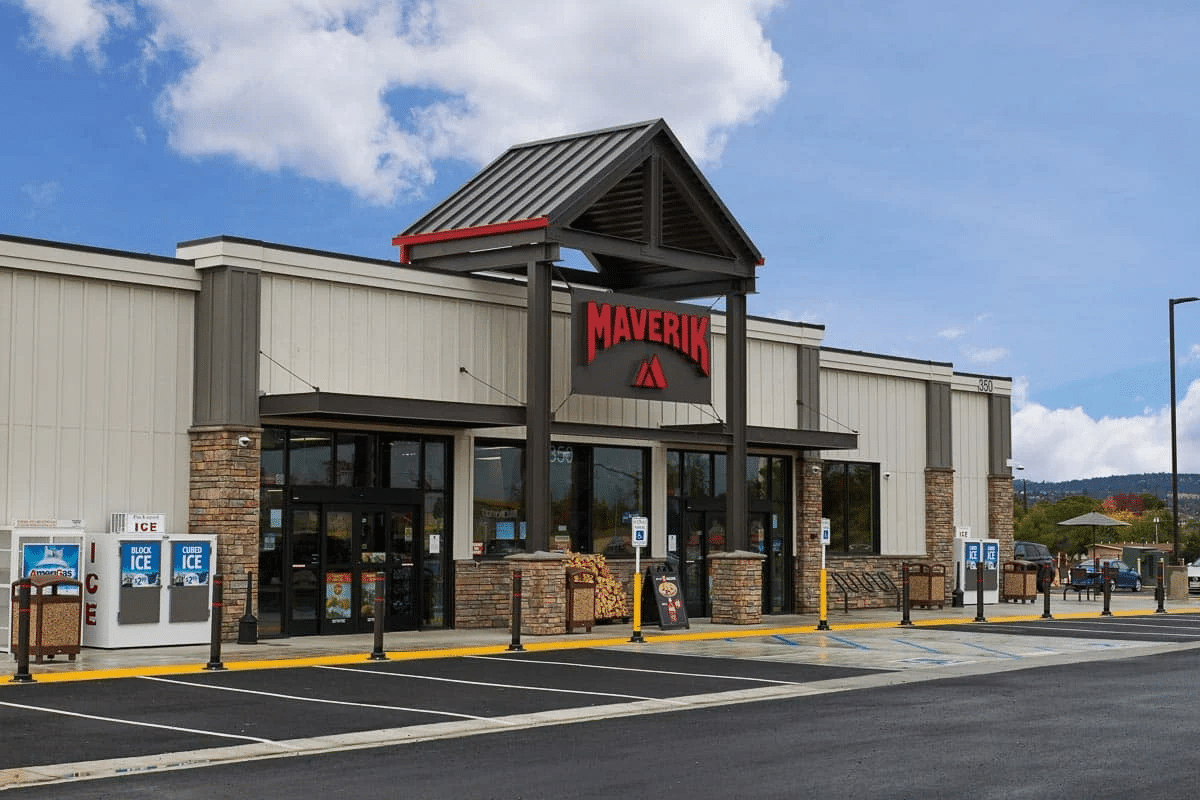
6 Gas Station Chains With Food So Good It’s Worth Driving Out Of Your Way For
We scoured the Internet to see what people had to say about gas station food. If you think the only things available are wrinkled hot dogs of indeterminate age and day-glow slushies, we’ve got great, tasty news for you. Whether it becomes part of a routine or your only resource on a long car trip, we have the food information you need.
Let’s look at six gas stations that folks can’t get enough of and see what they have for you to eat.