

A report by William C. Huff notes that Baby Boomers in the U.S. account for the largest share of people who report downsizing or plan to downsize their homes, driven by retirement, rising costs, and lifestyle changes. This trend is accelerating as Boomers seek smaller, more manageable properties and financial flexibility.
Trading a large family home for something smaller sounds like a dream. No more mowing huge lawns or cleaning rooms that nobody uses. But for many retirees, the process becomes a major headache because they jump in without a clear plan.
Financial planners warn that downsizing without a strategy often turns a smart retirement move into a costly and stressful ordeal. Many folks find out the hard way that letting go of thirty years of memories is physically and emotionally exhausting. You might think you can handle it all in a weekend, but the reality is much slower.
Avoiding these common traps can help you keep your sanity and your savings intact as you move into this new chapter of life.
Waiting Until A Health Crisis Hits

Many seniors stay in large homes until a medical emergency forces them to move out quickly. This lack of planning means you have to make huge decisions while feeling stressed or physically unwell. It is much harder to sort through an attic when you are struggling with mobility or recovering from a stay in the hospital.
Making a move on your own terms allows you to find a place that supports your health for the long term. It gives you the power to choose your future rather than letting a crisis dictate it.
Underestimating The Cost Of A New Lifestyle

Moving to a smaller place does not always mean your monthly bills will disappear as you might expect. Sometimes, the association fees in a condo or the cost of living in a trendy area can eat up your funds fast.
Many retirees end up in a home that costs more than they expected. This often happens because people forget to account for items such as moving insurance or new window treatments. A solid budget is your best friend when you are trying to make a smaller space work for your wallet.
Keeping Too Much Large Furniture

Your favorite mahogany dining table might look great in a five-bedroom house, but it will swallow a small apartment. Many people try to squeeze big pieces into tiny spaces and end up living in a cluttered obstacle course.
It is hard to say goodbye to a piece of furniture that has been in the family for decades. However, your new home needs room to breathe if you want to feel relaxed and comfortable.
Keeping too much stuff can lead to high storage fees that drain your finances over time. It is much better to sell or donate those large pieces and buy items that fit the actual scale of your new living room. This allows you to create a fresh look that reflects your current needs and taste.
Ignoring The Hidden Taxes Of Selling

Selling a home you have owned for decades can lead to a surprise bill from the government. Capital gains taxes can take a huge bite out of your profits if you are not careful with the timing. Many homeowners assume that all the money from the sale will go straight into their next purchase.
Bank Rate data show that 15% of high-value home sales result in significant tax obligations for owners. It is smart to talk to a tax professional about your budgeting plans before you put the sign in the yard. They can help you understand the exclusions available for primary residences and how to minimize the hit.
Picking A Location Too Far From Friends

Moving to a quiet spot by the water sounds like paradise until you realize your closest friends are now far away. Isolation is a major risk for retirees, and being near your social circle is often more important than a pretty view.
A study by the AARP suggests that over 40% of older adults experience loneliness, especially after moving to a new city. Your relationships are the glue that keeps your life happy, so stay close to the people who know you best.
Save this article
Forgetting To Measure The New Entryways
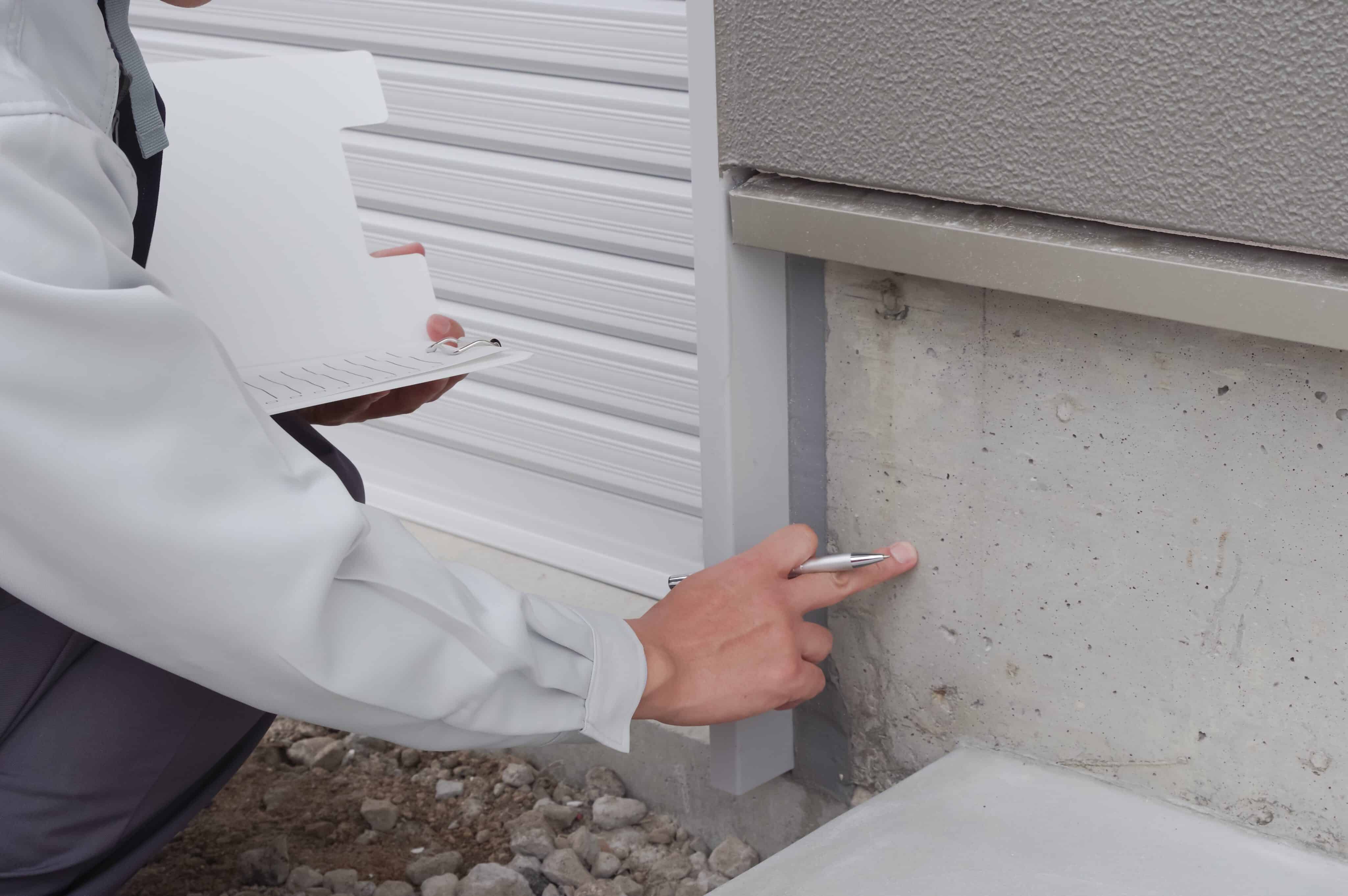
There is nothing quite like the horror of realizing your sofa cannot fit through the front door of your new condo. People often focus on the square footage of the rooms but forget to check the width of the hallways.
Real estate experts note that some moves are delayed because the furniture is physically too large for the building. Always carry a measuring tape and check every tight corner before the moving truck arrives at the new place. A little bit of homework goes a long way toward preventing a moving-day disaster.
Misjudging The Available Storage Space
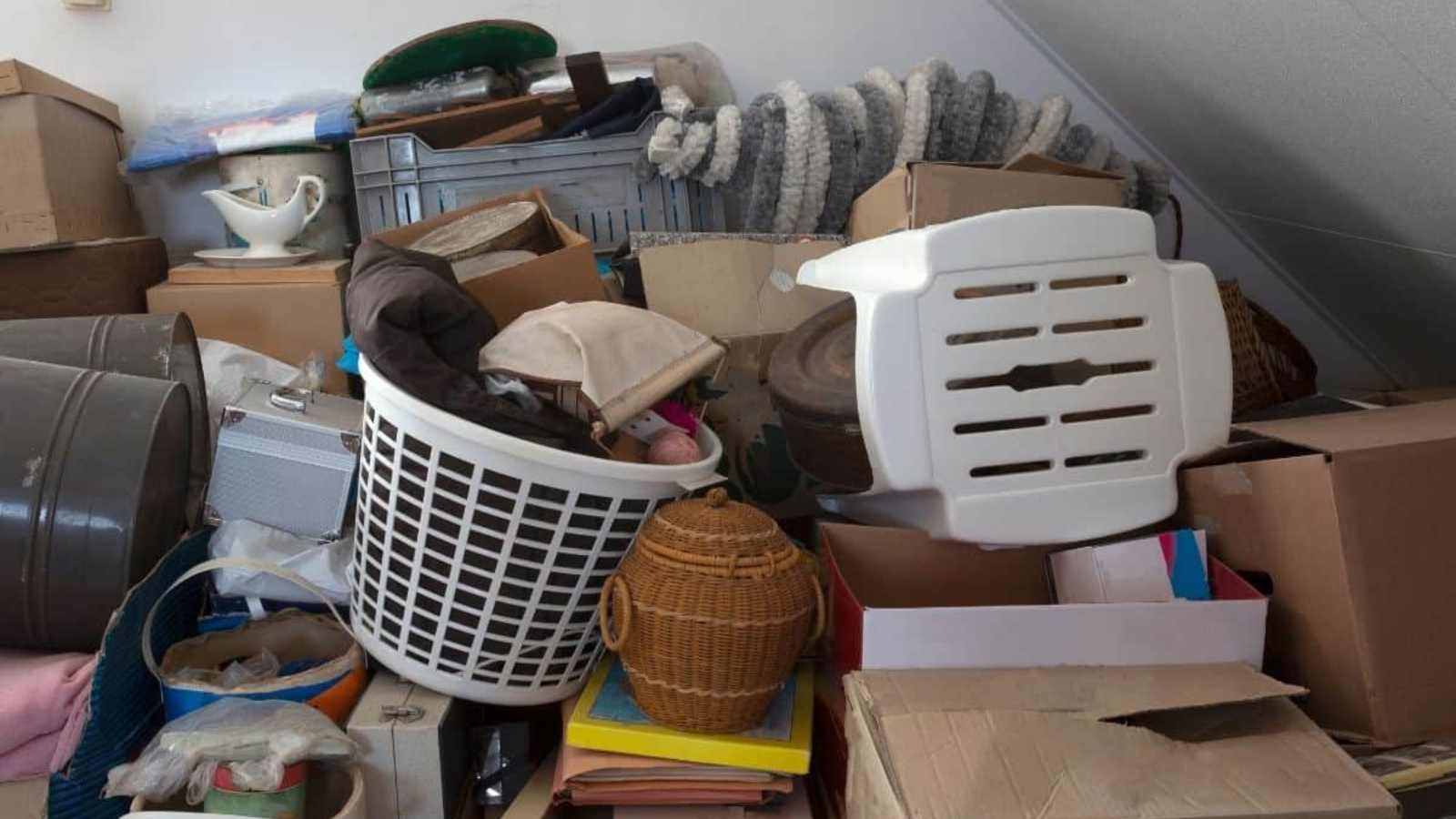
When you lose a basement and an attic, you lose the places where your life’s extra bits go to hide. Many downsizers assume they can fit everything into two small closets and end up with boxes in the hall. You might think you don’t have much stuff until you start packing it into smaller containers.
A survey by StorageCafe found that 24% of downsizers had to rent external storage units within six months. This extra monthly cost can quickly ruin your plans for a more affordable, simpler retirement. It is much better to be honest about your space needs and purge your belongings before you move.
Leaving The Decluttering To The Last Minute

Trying to sort through a lifetime of photos and keepsakes the week before the move is a recipe for a breakdown. Emotional burnout is real, and it makes people either throw away things they love or keep things they don’t.
Expert organizer Marie Kondo says, “The best way to find out what we really need is to get rid of what we don’t.” Start sorting your collection of items at least six months before you plan to list the house for sale.
Neglecting The Physical Toll Of Moving

Lifting heavy boxes and spending hours on your feet can be incredibly hard on an older body. Many boomers try to handle the entire move themselves to save a bit of cash, only to end up with back pain. It is easy to forget that you are not as resilient as you were in your twenties, when you first moved.
It is often worth the extra expense to hire professional help who can do the heavy lifting for you. This allows you to focus on the organization and the emotional transition rather than the physical labor. Your long-term health is worth much more than the cost of a few professional movers.
Assuming The Kids Want The Antiques

Many parents spend years saving heirlooms only to find out their children live in a minimalist apartment. This disconnect can lead to hurt feelings and a lot of wasted energy moving items that nobody actually wants.
Have an honest talk about your plans for the future, and give things away now so you do not have to pack them. This allows you to see them being used by someone else or sell them while they still have value. Letting go of these expectations makes the downsizing process much lighter for everyone involved.
Key Takeaways

The transition to a smaller home is about more than reducing square footage; it is a profound opportunity to prioritize experiences and peace over maintaining physical property. By avoiding common mistakes, retirees can ensure their move is a strategic step toward a more vibrant and connected life.
Disclaimer: This list is solely the author’s opinion based on research and publicly available information. It is not intended to be professional advice.
Like our content? Be sure to follow us





