

We all have those go-to comfort foods that we reach for without a thought. Mine was that bag of chips I’d rip open thinking, “just a little snack.” Then I learned that potato chips are hazardous to my health since they contain excessive salt levels that can raise blood pressure and increase the likelihood of heart disease, stroke, and kidney disease.
Additionally, frying chips at high temperatures forms acrylamide, a chemical that the American Cancer Society has classified as a potential cancer-causing agent. The thing is, some of the most ordinary foods in our pantries can harbor risks that are not listed on the nutrition label.
And no, that does not mean you need to go crazy and start living on kale smoothies alone. It’s simply about being aware so that you can make smarter trades without giving up the foods you love. So, let us decode some of the everyday favorites that are not as guilt-free as they seem.
Processed meats may not just be a sandwich filler

Hot dogs, bacon, and deli meats taste great, but they come with a hidden cost. Processed meats have been classified as Group 1 carcinogens by the World Health Organization, the same category as smoking. Though the risks aren’t equal, it’s something to think about.
Eating just 50 grams of processed meat every day, which is about two slices of bacon, can increase the risk of colorectal cancer by 18%. That’s a bit more serious than we tend to think when we’re stacking a BLT. So maybe that “extra slice of ham” isn’t so innocent after all.
Sugary cereals aren’t the innocent breakfast we grew up with

That brightly colored cereal might be nostalgic, but those little loops and flakes typically have more sugar than dessert. An Environmental Working Group report found that most children’s cereals contain more sugar per serving than three Chips Ahoy! Cookies.
It’s nuts when you think about the fact that you’re dumping milk onto what is essentially candy in disguise. Sure, they’re fortified with vitamins, but the sugar rush is not doing your body any favors. It makes you wonder if dentists secretly sponsored Saturday morning cartoons.
Canned soups can quietly overload your salt intake
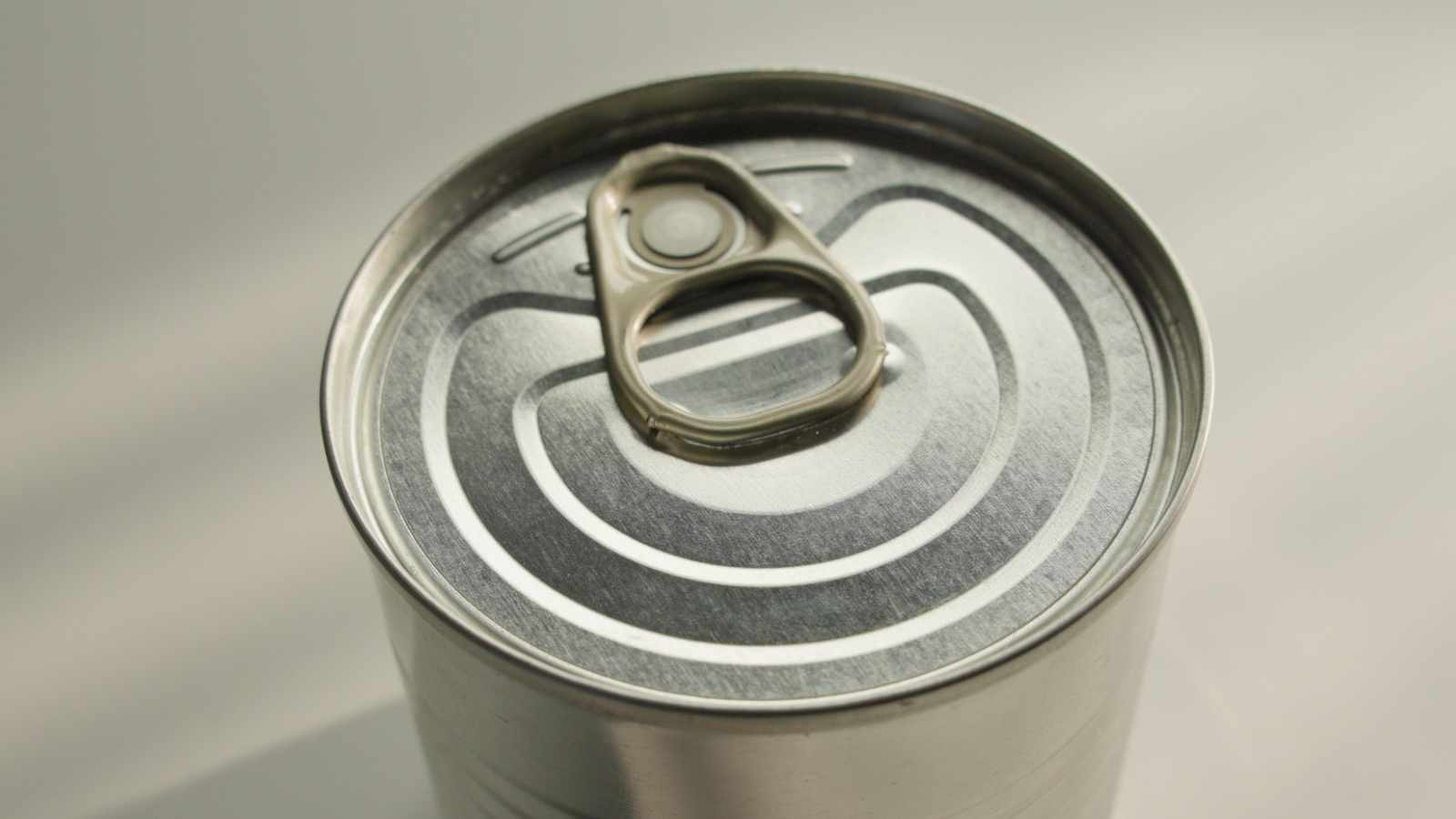
Soup is comfort in a bowl, but canned soups sneak in frightening amounts of sodium. Certain brands contain over 800 milligrams per serving, and let’s be real, most of us eat the whole can, effectively doubling that amount.
Considering that the American Heart Association recommends no more than 2,300 milligrams of sodium per day, that’s a huge chunk coming from a single meal. Excessive sodium is linked to high blood pressure and heart disease, two things most of us are not aiming for.
Soda is more than just empty calories

We all know that soda is sweet, but it’s hard to remember just how much. One 12-ounce can of regular cola contains approximately 39 grams of sugar, equivalent to around 10 teaspoons, which is near the daily maximum recommended by the American Heart Association.
That’s before you even count the rest of the day’s meals and snacks. Daily soda drinkers also risk a higher chance of type 2 diabetes, heart disease, and even premature tooth decay. Sometimes that fizz isn’t as refreshing as it tastes at the time.
White bread isn’t the “safe” choice, it looks like

There is something comforting about a soft slice of white bread, but nutritionally, it offers very little. It’s made with refined flour, which strips away fiber and vital nutrients your body truly does require.
The result? Quick blood sugar surges that leave you hungrier soon after. A 2013 meta-analysis even linked diets high in refined grains to a higher risk of type 2 diabetes. So that innocent toast might not be as satisfying or as safe as you’d think.
Microwave popcorn can come with hidden extras

Popcorn is healthy in itself, but the microwave variety in a bag? That’s where it gets tricky. Most varieties used to contain artificial butter flavorings, such as diacetyl, which has been found to cause lung problems in factory workers.
Although some companies stopped it, those high levels of added salt and oils still make it less of a “guilt-free” snack than advertised. And all those flavor coatings are usually packed with preservatives that don’t exactly scream natural.
Diet sodas aren’t the free pass they seem to be

Save this article
Reaching for a diet soda may seem like a good alternative, but research continues to raise some eyebrows. Researchers at the Cleveland Clinic, led by Dr. Stanley Hazen, found that high blood levels of erythritol, a widely used artificial sweetener, were strongly associated with an increased risk of major adverse cardiovascular events, such as heart attack, stroke, and death.
Though the evidence is still being examined, it’s less than reassuring. Furthermore, specific research has found that artificial sweeteners can increase your body’s craving for sugar. Therefore, that “zero calorie” label doesn’t always mean zero concern.
French fries are everyone’s guilty pleasure with a catch

Fries are hard to resist, but they’re also among the worst trans fat and acrylamide offenders. Acrylamide forms when starchy foods are cooked at high temperatures in oil, and it’s a potential carcinogen.
A single serving of fries from a restaurant can also contain 300–400 calories and a significant amount of sodium. Fried foods eaten regularly are linked to higher risks of obesity and heart disease.
A Harvard study also linked French fries to a 20% higher risk of type 2 diabetes when consumed three times per week. Baked, boiled, or mashed potatoes were not linked to the same risk, highlighting that preparation is everything.
Margarine isn’t the healthy butter alternative we thought

Have you forgotten when margarine was sold as a “heart-healthy” alternative to butter? Well, turns out many versions were loaded with trans fats, which are worse for your heart than saturated fats.
While newer margarines have reduced or removed trans fats, some still contain highly processed oils that aren’t great for you. Trans fats can raise bad cholesterol (LDL) while lowering good cholesterol (HDL).
Frozen pizzas are quick, but not so harmless

That midnight frozen pizza feels like a time and money saver, but the nutrition label tells a different story. Many contain over 700 milligrams of sodium per slice and an excessive amount of saturated fat. Eat half a pizza and you’re basically at your daily limit for both.
They’re also filled with preservatives and low-grade meats, which doesn’t exactly scream ‘balanced meal’. That “easy dinner” suddenly doesn’t sound so guilt-free.
Key takeaways

Every day, convenience foods pose significant health risks. Processed meats, canned soups, frozen pizzas, and microwave popcorn seem harmless, but often contain excessive sodium, preservatives, or carcinogenic substances.
Sugar overload is everywhere. Cereals, sodas with high sugar content, and “zero calorie” diet sodas with artificial sweeteners result in diabetes, obesity, and heart issues.
Refined and processed carbs aren’t so “safe”. White bread, pizza, and fries contribute to blood sugar spikes, the accumulation of unhealthy fats, and even exposure to acrylamide chemicals.
Marketing doesn’t equal healthy. Foods that were once marketed as more nutritious options, such as margarine or diet sodas, tend to have their covert disadvantages that can negatively impact long-term health.
Disclaimer – This list is solely the author’s opinion based on research and publicly available information. It is not intended to be professional advice.
How Total Beginners Are Building Wealth Fast in 2025—No Experience Needed

How Total Beginners Are Building Wealth Fast in 2025
I used to think investing was something you did after you were already rich. Like, you needed $10,000 in a suit pocket and a guy named Chad at some fancy firm who knew how to “diversify your portfolio.” Meanwhile, I was just trying to figure out how to stretch $43 to payday.
But a lot has changed. And fast. In 2025, building wealth doesn’t require a finance degree—or even a lot of money. The tools are simpler. The entry points are lower. And believe it or not, total beginners are stacking wins just by starting small and staying consistent.
Click here and let’s break down how.
Like our content? Be sure to follow us.





